Military Challenge Coins: A Reorderable Specification for Units
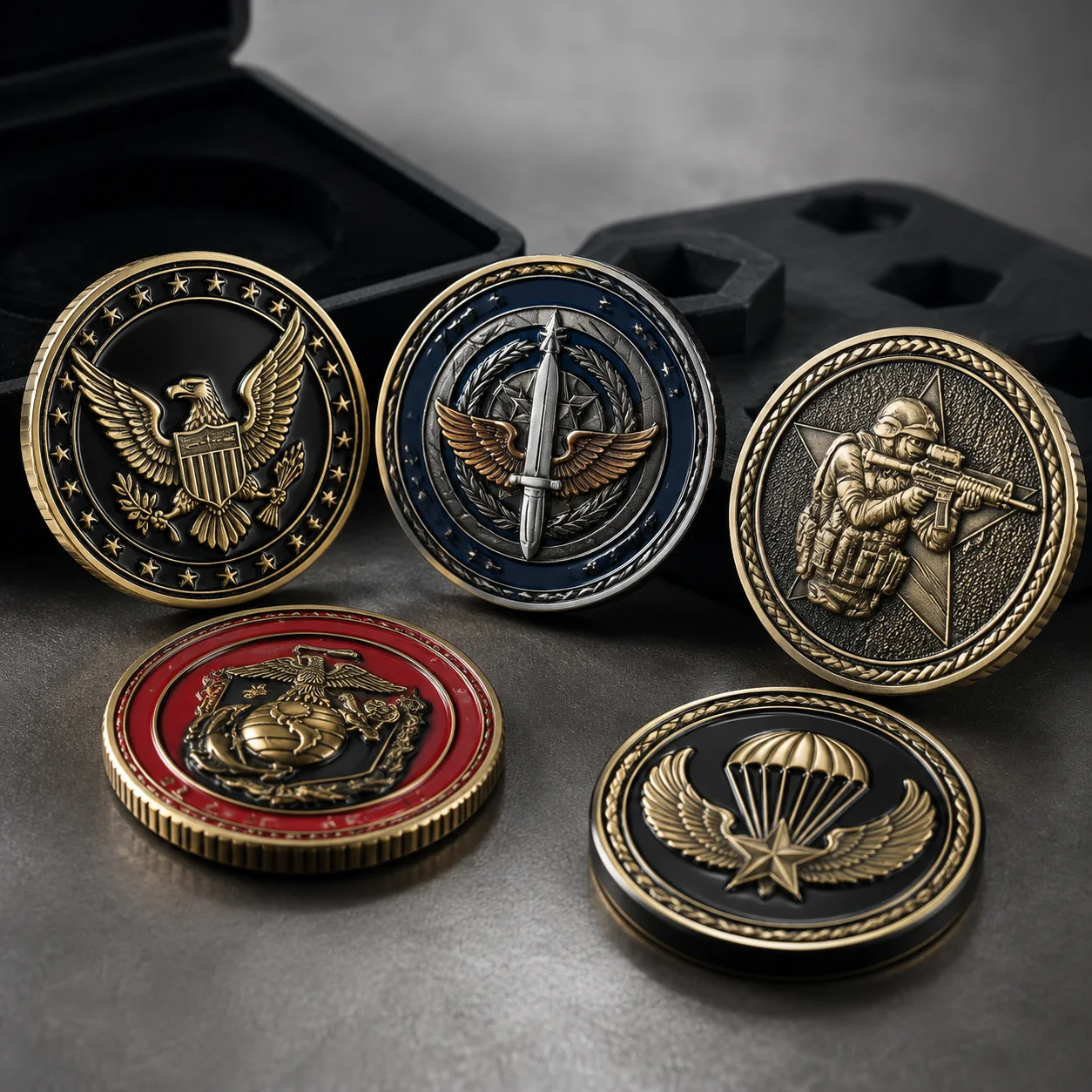
Protect emblem accuracy by placing every future order against a controlled master specification, not a prior invoice or a request to make the same coin again. Lock the approved artwork revision, base metal, dimensions, relief, enamel, plating, edge, serial treatment and packaging. Make steel-die archiving and die custody explicit purchase-order items. For serial variants, keep fixed emblem artwork separate from the variable serial data so a numbering change does not alter the approved unit design.
Start With a Controlled Master Specification
A military challenge coin reorder specification is the record of an approved coin, not simply a list of general preferences. A request for a brass coin with an antique finish and edge treatment can still leave important decisions open. Artwork revision, size, thickness, decoration method, plating, edge profile and packaging may all change from one order to another unless they are identified in a controlled document. A master specification gives procurement teams one reference for annual presentations, deployments, memorial events and recognition programs.
The supplied product information states that steel dies are archived for five years. That may support reorder continuity, but archiving is different from die ownership or custody. The supplied facts do not establish that the buyer owns the die, define access rights during the archive period or state what happens after five years. Units should state their required die retention and custody terms in order documents rather than assuming that payment of a tooling fee establishes ownership.
- Assign a design name, internal reference number and approved artwork revision to the coin.
- Identify front and back artwork, including all fixed unit names, dates, mottos and symbols.
- Retain an approved visual reference and cite it in every reorder request.
- Record the selected base metal, size, thickness, decoration, plating and edge in one controlled document.
- State the five-year steel-die archive expectation described in the supplied product information.
- State separately whether the buyer requires ownership, custody or another agreed arrangement for the steel die.
Lock the Physical Coin Before Ordering Again
The physical build should be fixed before a unit treats a design as reorderable. Brass is listed as the default base metal, while copper, zinc-alloy and iron are also available. Listed standard sizes are 1.5 inch (40mm), 1.75 inch (45mm) and 2 inch (50mm), with custom sizes available up to 4 inch. Standard thickness is 3mm, while premium heavy coins are listed at 3.5-5mm. The original program owner should select these options and carry them forward unchanged unless a new version is intentionally approved.
| Specification area | Available product facts | Reorder instruction |
|---|---|---|
| Base metal | Brass is the default; copper, zinc-alloy and iron are available. | Name the selected metal. Do not use a generic metal coin description. |
| Size | Standard sizes are 1.5 inch (40mm), 1.75 inch (45mm) and 2 inch (50mm); custom sizes are available up to 4 inch. | State the approved supplier size designation and millimeter dimension from the original order. |
| Thickness | 3mm is standard; premium heavy coins are 3.5-5mm. | Record 3mm or the confirmed premium thickness. Do not describe the coin only as heavy. |
| Decoration | Die-struck relief, soft enamel, hard enamel, offset print, 3D sculpt and dual-plating are listed. | List every selected treatment by side of the coin. |
| Plating | Gold, silver, copper, antique brass, antique gold, antique silver, antique copper, dual-tone and black nickel are available. | State the exact plating and whether it applies to the whole coin or a defined design area. |
The supplied narrative emphasizes weight in hand and crispness of relief, and describes 3mm as the minimum stock thickness for a substantial feel. This supports treating thickness as a core identity feature when a unit expects a premium presentation. It does not establish a general performance hierarchy among all metals, plating choices or decoration methods. Preserve the approved selection rather than assuming another available option will produce an equivalent result.
Treat Relief and Enamel as Approved Artwork Decisions
For emblem accuracy, the artwork file alone is not enough. The specification should identify which elements are die-struck relief, which areas receive soft or hard enamel, whether offset print or 3D sculpting is used, and the plating selected around those elements. The supplied narrative states that antique oxidizing can bring out recessed detail. When that treatment is selected, describe it as part of the approved design rather than as an optional finish that can change at reorder.
Do not infer enamel limits from a prior coin. The supplied facts list soft enamel and hard enamel as options, but do not provide minimum line widths, color tolerances, maximum color counts, color references or relief tolerances. A buyer that needs any of those controls should request them for the specific design and retain the confirmed result with the master specification. This matters for small heraldry, detailed crests and text-heavy reverse sides.
- Mark every enamel-filled area on the approved artwork.
- Identify whether each side uses die-struck relief, enamel, offset print, 3D sculpting or a combination.
- Record antique brass, antique gold, antique silver or antique copper exactly when antique finishing is part of the intended detail contrast.
- List dual-tone plating only where it is part of the approved design, not as a general finish preference.
- Treat any artwork, color, relief or finish change as a new revision rather than a routine reorder.
Define Edge Treatment and Serial Details Separately
The edge is part of the fixed coin identity. Available edge options are plain, rope/cable, diamond-cut, oblique-line and cross-cut. Custom edge lettering is also available for unit mottos or serial numbering. Because the edge is both visible and tactile, an edge-style instruction is incomplete when lettering or serial data is present. The reorder document should identify the edge profile and state whether the perimeter contains fixed wording, variable serial numbers or neither.
Serial numbering needs a controlled variable-data instruction. The emblem, fixed edge text and plating remain part of the master artwork, while the serial sequence changes with each run. Specify the numbering format, start and end of the sequence, leading-zero treatment, exact edge location and whether the run continues from an earlier batch. A range such as 001-250 communicates more than a request for numbers, but the buying organization must confirm the actual range for each purchase.
- Select one edge profile: plain, rope/cable, diamond-cut, oblique-line or cross-cut.
- Provide fixed edge lettering exactly as approved, including capitalization, punctuation and spacing.
- State whether serial numbers are required on the edge.
- Provide the serial format and exact sequence for the current production run.
- Record the last issued serial number after receipt so the next reorder can continue correctly.
- Keep variable serial instructions separate from the fixed emblem artwork revision.
Preserve Packaging as Part of the Presentation
Packaging affects how a coin is issued, stored and presented, so it belongs in the reorder specification. PVC pouch packaging is the default. Other listed options are a velvet pouch, acrylic capsule, plastic coin case and wood gift box. A packaging change can be intentional for a different recognition tier, but it should not happen by omission when a unit expects recipients to receive the coin in the same presentation format as an earlier run.
| Packaging choice | Status in supplied facts | Specification control |
|---|---|---|
| PVC pouch | Default packaging. | State it explicitly when the default presentation is required. |
| Velvet pouch | Available option. | Name the option and retain its approved presentation reference. |
| Acrylic capsule or plastic coin case | Available options. | Select the exact format rather than using the general term coin case. |
| Wood gift box | Available option. | Specify it only for the approved coin version that uses it. |
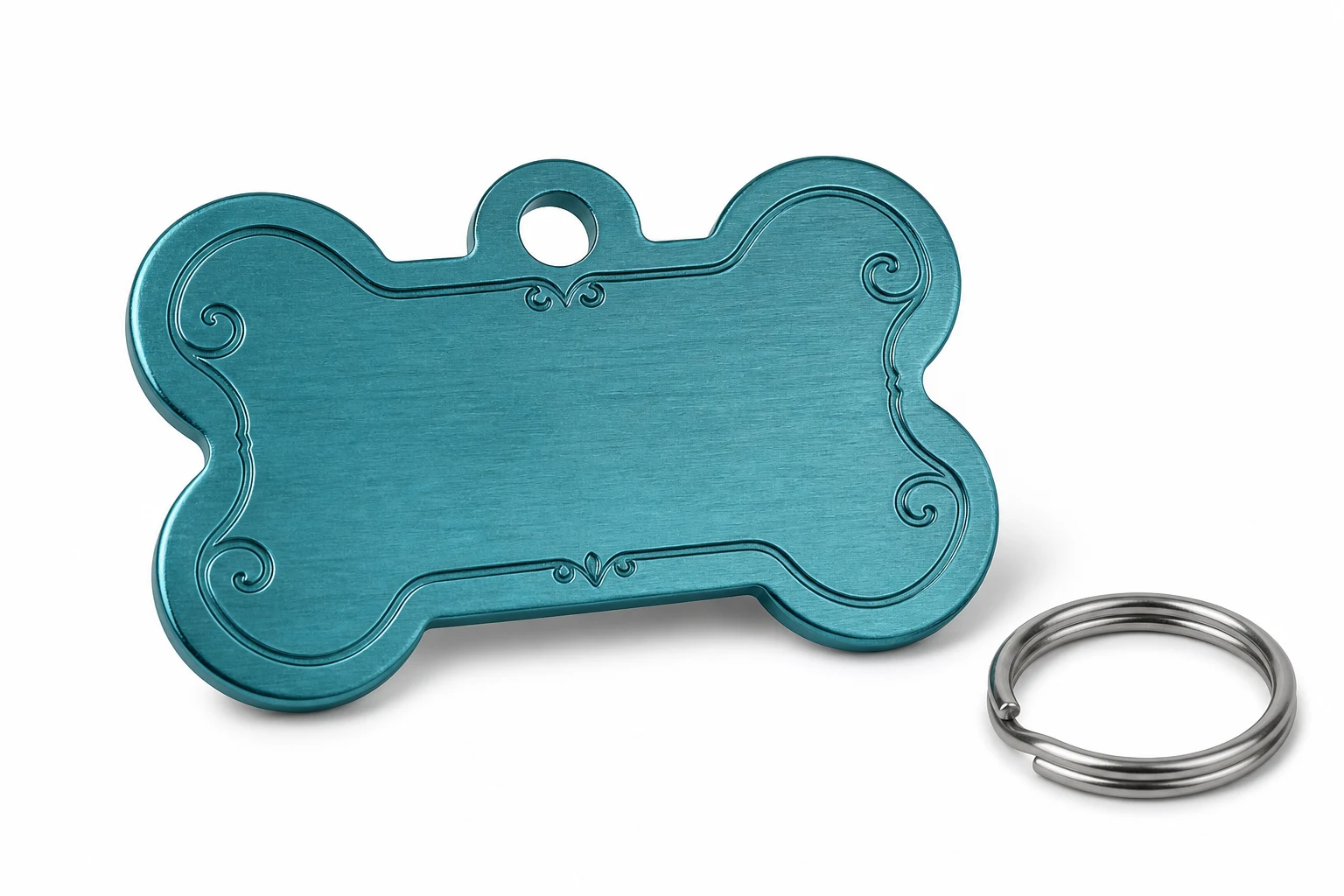
The supplied facts do not define inserts, printed materials, labels, carton configurations or packaging test criteria. Do not assume those details from a packaging name. When they matter to an issue event, include the required configuration in purchase documents and obtain confirmation for that order. For a program that also includes custom military dog tags, maintain a separate product specification for the dog tags rather than allowing their artwork or packaging requirements to override the challenge coin master.
Plan Quantity, Tooling and Production Timing
A reorderable specification also needs commercial controls. The listed MOQ is 100 pieces per design. Sample lead time is listed at 7-10 days, and bulk lead time is listed at 18-25 days. The supplied FOB price range is $0.80-$4.50 per piece. Tooling is listed at $80-$250 and is waived above 1,000 pieces. These are planning inputs, not a quote for every configuration. Retain the original quotation and fee treatment with the master record because the range does not identify the price for a particular combination of size, material, thickness, finish and packaging.
| Commercial item | Supplied product fact | What to record for a reorder |
|---|---|---|
| MOQ | 100 pieces per design. | Confirm each design quantity meets the minimum. |
| Sample lead time | 7-10 days. | Schedule approval time before the required issue date. |
| Bulk lead time | 18-25 days. | Plan against the listed production period and separately confirm shipping needs. |
| Tooling | $80-$250, waived above 1,000 pieces. | Record the original tooling fee, any waiver and the applicable quantity. |
| FOB price range | $0.80-$4.50 per piece FOB. | Request a quote for the locked specification and quantity. |
The listed lead times should not be treated as a complete event schedule. They identify sample and bulk production timing, while the supplied facts do not define transit time, inspection timing, customs clearance or delivery commitments. Build internal approval time for artwork review, serial-data confirmation and packaging selection before production is expected to begin.
Use a Reorder Release Checklist
Before releasing a repeat order, compare the new request with the approved master specification line by line. This protects the unit emblem against accidental substitutions and creates a clear decision point: either the new request matches the master, or it is intentionally issued as a revised coin design.
- Confirm the approved front and back artwork revision.
- Confirm the base metal, approved size designation and thickness.
- Confirm every decoration method, enamel area, plating choice and antique finish.
- Confirm the edge profile, fixed lettering and serial sequence where applicable.
- Confirm the packaging option, including whether the default PVC pouch or an alternative is required.
- Confirm the order quantity is at least the 100-piece MOQ for each design.
- Confirm whether the order needs a sample and account for the listed 7-10 day sample lead time.
- Confirm the 18-25 day bulk lead time against the planned issue date.
- Confirm the steel-die archive reference, five-year retention expectation and stated custody arrangement.
- Request a quote tied to the controlled specification rather than a generic coin description.
Next step: assemble the last approved artwork, purchase record and packaging reference into one master challenge coin reorder specification. Review every variable item, especially serial data and die custody, before requesting the next quotation.
Ready to get this made?
Send your sketch, target quantity and ship-date. Detailed quotation in 12 hours.