How to Design a Medal for a Reorderable Annual Awards Program
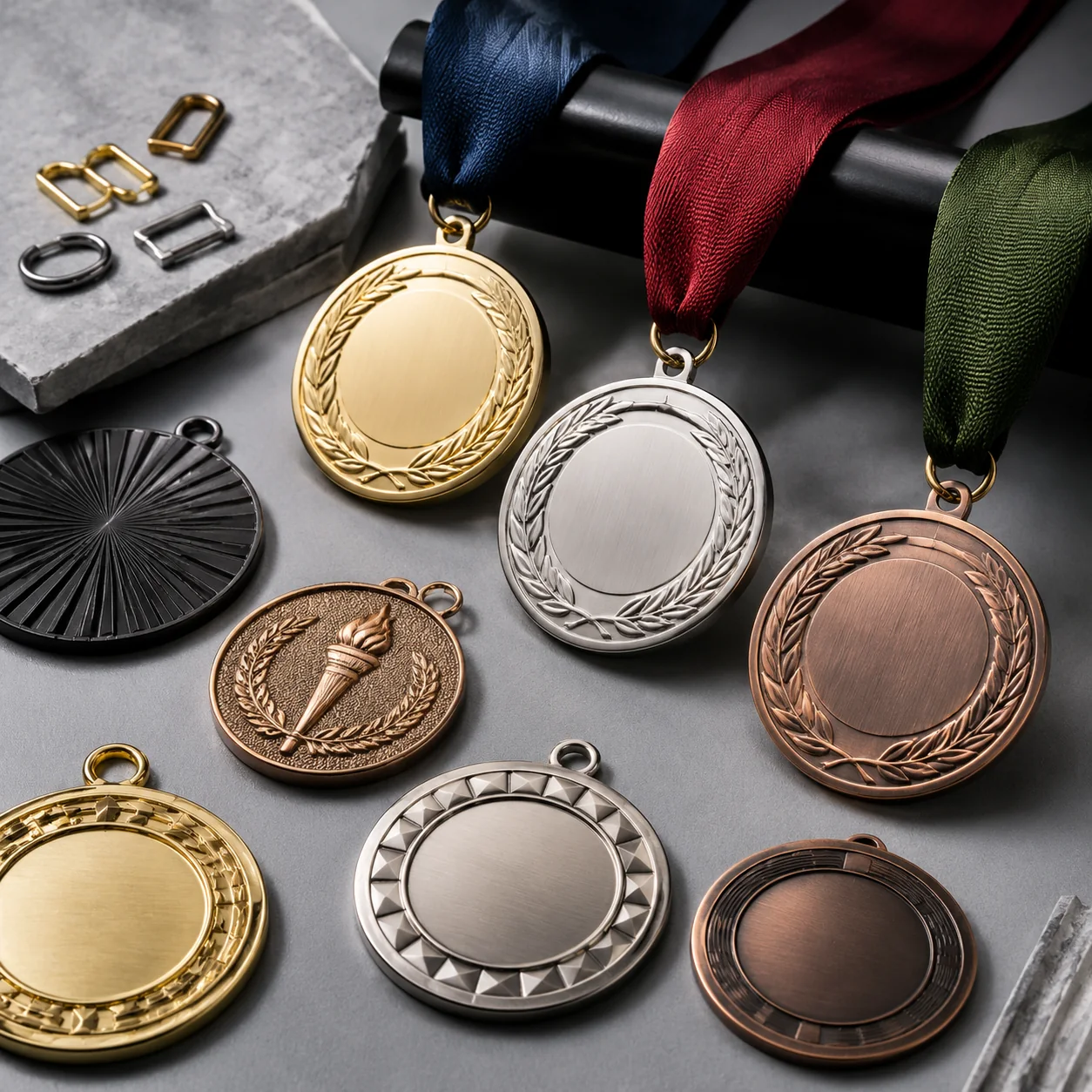
To design a medal for an annual awards program, separate the permanent medal construction from the details that change each year. Lock the base metal, dimensions, thickness, relief, tooling reference, plating, enamel, ribbon construction, and packaging. Place the year on a dye-sublimated or woven ribbon when the medal face should remain unchanged, or use an offset print insert when the year must appear on the face without altering the surrounding relief. Confirm tooling ownership and archive terms in writing. The supplied product information states that dies are archived for five years, but archiving alone does not establish ownership or guarantee finish and color matching.
Separate permanent and annual design elements
A reorderable medal begins with a controlled visual system. Put the program name, school crest, association emblem, corporate mark, mascot, or other long-lived artwork in a permanent layer. This layer can use die-struck relief, a 3D sculpt, soft enamel, hard enamel, or a supported combination of those methods. Keep the approved size, thickness, edge shape, suspension point, and core relief unchanged unless the program is being intentionally redesigned.
Place edition-specific information in a separate annual layer. The year can appear on a full-color dye-sublimated ribbon, a woven ribbon, or an offset print insert. These options allow the main medal relief to remain stable. A year formed in cast or struck relief becomes part of the metal design, so changing it alters the relief artwork and may require revised production tooling.
For most schools, associations, and corporate awards teams, a permanent medal body with the year on the ribbon is the simplest configuration to repeat. Choose an offset print insert when the date needs to appear prominently on the medal face. Put the date in metal relief only when an edition-specific all-metal face is more important than reusing unchanged tooling.
- Identify the artwork expected to remain unchanged for several editions.
- List every annual variable, including the year, award level, event title, sponsors, and edition designation.
- Assign each variable to the ribbon, an offset print insert, or revised metal artwork.
- Maintain one approved master drawing with dimensions and decoration locations.
- Give annual ribbon and insert files separate version identifiers.
- Do not revise metal tooling solely because a ribbon sponsor or printed date has changed.
Choose a repeatable medal construction
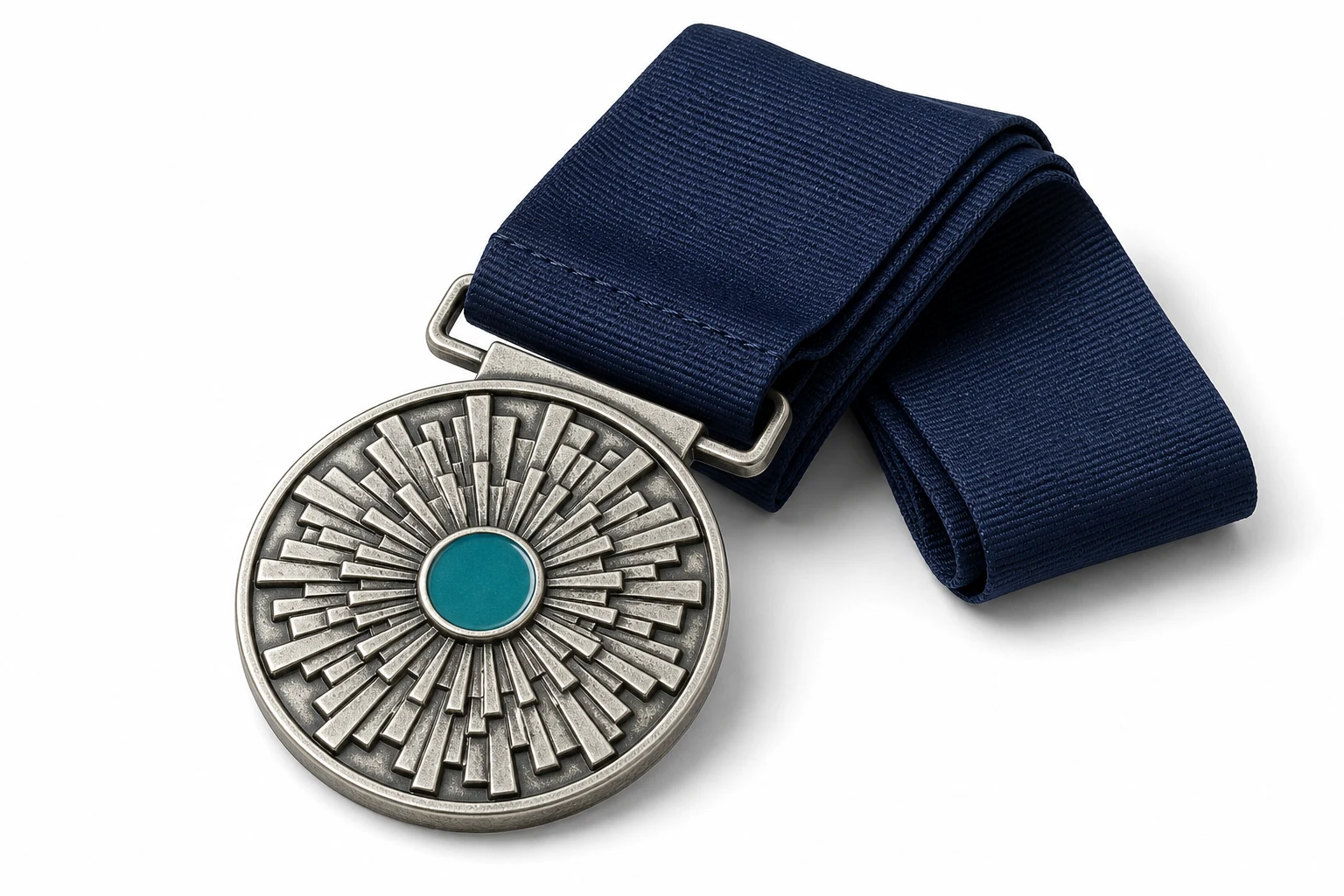
The reorder specification must describe the physical product, not just the logo or event name. Supported base metals are zinc-alloy, brass, iron, and copper. Zinc-alloy is the default and the stated choice for deep 3D casting. Standard nominal sizes are 2 inches (50 mm), 2.5 inches (63 mm), and 3 inches (75 mm), with custom sizes available up to 5 inches. Standard thickness is 3 mm, while 4-6 mm is available for a heavier medal.
| Decision | Supported options | Reorder implication |
|---|---|---|
| Base metal | Zinc-alloy, brass, iron, or copper | Record the exact metal. Use zinc-alloy when deep 3D casting is central to the approved design. |
| Nominal size | 2 inches, 2.5 inches, 3 inches, or custom up to 5 inches | Record dimensions and measurement points, especially for custom edge shapes. |
| Thickness | 3 mm standard or 4-6 mm premium heavy | Treat any thickness change as a revised physical specification requiring supplier review. |
| Decoration | Die-struck relief, 3D sculpt, soft enamel, hard enamel, or offset print insert | Name the approved method because relief, enamel, and printed decoration are not interchangeable. |
| Plating | Gold, silver, bronze or copper, antique gold, antique silver, antique bronze, dual-tone, or gunmetal | Use the complete plating name on every reorder instead of a generic description such as gold finish. |
The supplied category price range is $0.60-$4.50 per piece FOB, but this is not a project quotation or delivered price. Compare quotations only when dimensions, thickness, metal, decoration, plating, ribbon, packaging, and quantity are equivalent. The final quotation should identify the named FOB location and specify what is included in the unit price.
Document tooling ownership and podium variants
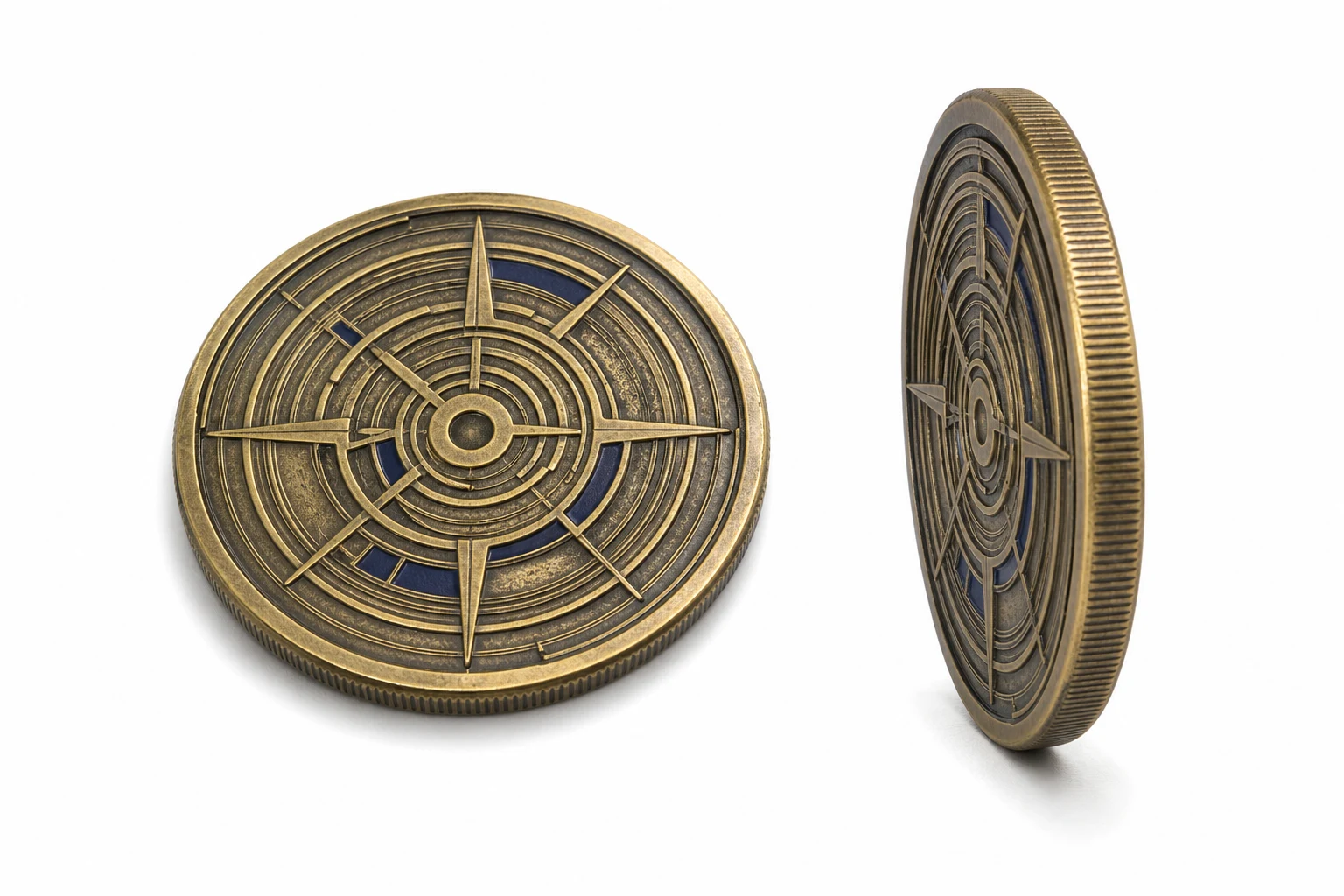
Treat the die, mold, or other production tooling record as part of the controlled medal specification. The supplied product information refers to the archived tool as a die and states that it is archived for five years. Procurement teams should still document who owns the tooling, whether the buyer has a right to reuse or transfer it, how each tool is identified, when the archive period begins, and what happens when that period ends.
The supplier narrative associates the five-year archive with color-identical reorders. Treat that wording as a supplier claim to confirm in the quotation. Archived tooling primarily preserves geometry. Matching plating, enamel, printed inserts, and ribbons also depends on the written specifications, approved artwork, production controls, and a retained comparison sample. Tool retention alone is not evidence of an exact visual match.
For tournaments and school competitions, the supplied facts state that gold, silver, and bronze podium medals can use one die and be plated three ways, with no more tooling cost than a single design. This applies when all three medals share the same relief. Preserve one shared tooling reference while listing gold, silver, and bronze as separate plating variants.
The stated minimum order quantity is 100 pieces per design. The supplied information does not explain whether three plating variants from one shared design can be combined toward that minimum. Require the quotation to show the quantity for each plating and state how the minimum applies to the full podium set.
- Obtain a written statement identifying who owns the production tooling.
- Record every supplier die, mold, or tooling reference.
- Confirm the start and end dates of the stated five-year archive period.
- Link each tooling reference to the approved artwork version and medal dimensions.
- State whether podium variants must share identical relief.
- Request a tooling review when relief, size, thickness, edge shape, or suspension geometry changes.
Select an annual date or numbering method
An annual edition date is different from a unique serial number. The supplied specifications support year dates in relief, offset print inserts, and printed or woven ribbons. They do not state that individually variable serial numbers are available. If each medal needs a different number, barcode, name, or identifier, request written confirmation of feasibility, artwork requirements, pricing, and lead time.
| Annual marker location | What remains fixed | Trade-off |
|---|---|---|
| Cast or struck metal relief | Overall size, metal, thickness, plating system, and visual style can remain consistent | The date is integral to the medal, but changing it alters the relief artwork and may require revised tooling. |
| Offset print insert | The surrounding body, outer relief, plating, and ribbon specification can remain fixed | The insert artwork can change annually, but the date is printed rather than formed in the main metal relief. |
| Dye-sublimated ribbon | The entire medal face and its tooling can remain unchanged | Full-color artwork can run edge to edge and carry dates or sponsors, but the annual marker appears on the ribbon. |
| Woven ribbon | The medal body and its tooling can remain unchanged | The ribbon provides a textured finish while keeping annual information separate from the medal face. |
Do not assume that changing only an enamel-filled year leaves the tooling unchanged. If the digits are defined by recessed or raised metal boundaries, new digits alter the relief geometry even when the fill color remains the same. Ask the supplier to state whether each annual enamel change requires artwork updates, revised tooling, or both.
Match plating, enamel, and ribbon
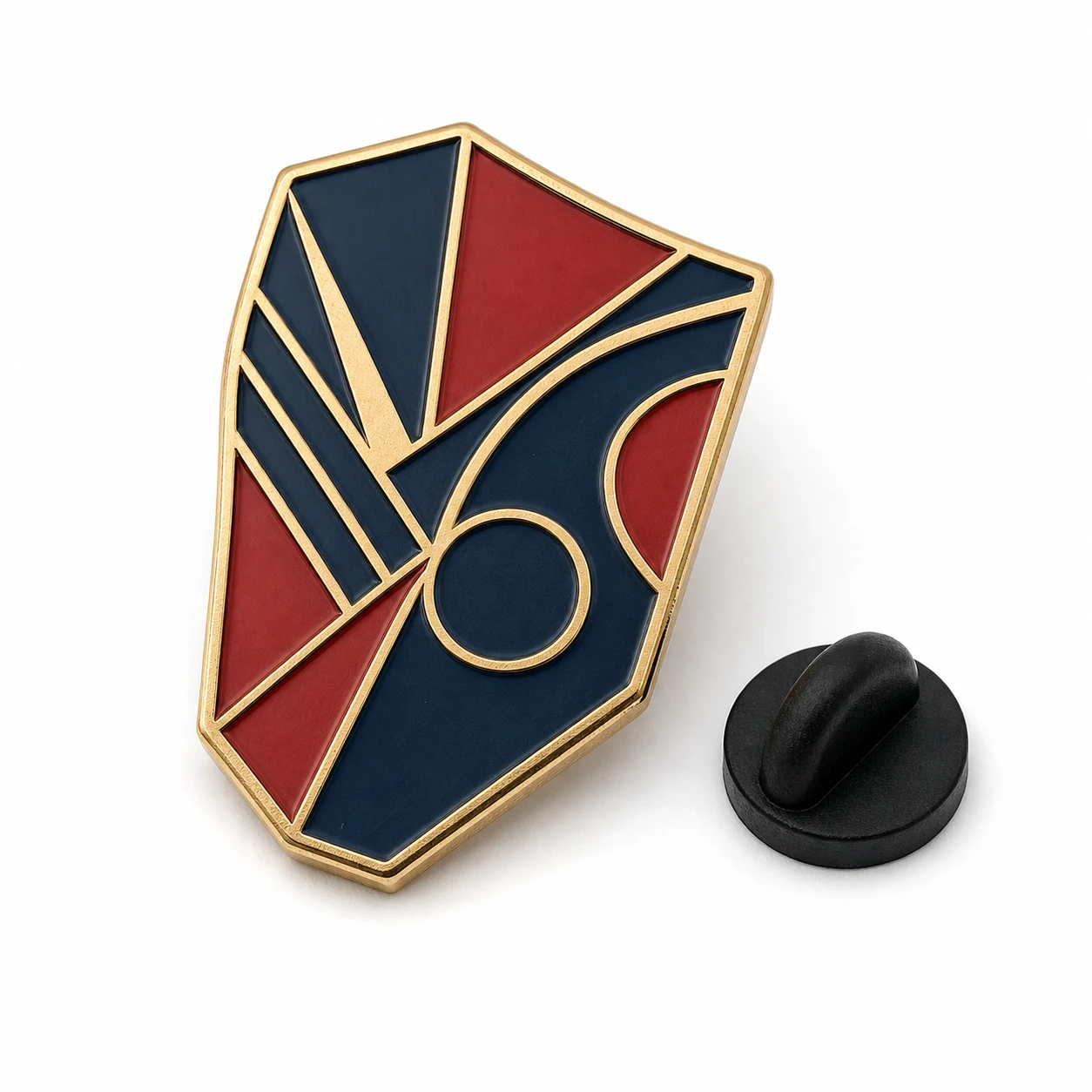
Finish matching requires more precise records than descriptions such as gold medal or school colors. Record the complete plating selection: gold, silver, bronze or copper, antique gold, antique silver, antique bronze, dual-tone, or gunmetal. If the design uses color, specify whether the approved construction is soft enamel, hard enamel, or an offset print insert.
Keep an approved physical sample with the tooling reference, artwork files, and written specification. On a reorder, compare the new sample with that baseline before bulk production. An archived die can reproduce the approved geometry, but it does not independently define plating appearance, enamel color, printed color, or ribbon output.
The neck ribbon is a major part of the product specification. Supported widths are 22-38 mm, with full-color dye-sublimation, woven, or silk-screen decoration. Dye-sublimation can carry logos, sponsor names, and event artwork edge to edge. Woven ribbon provides a textured finish. Freeze the width, construction, decoration method, artwork orientation, approved attachment details, and annual content so a later buyer does not preserve the medal while unintentionally changing the ribbon.
- Compare the sample with the specified plating name and retained baseline sample.
- Confirm whether the design uses soft enamel, hard enamel, relief, or an offset print insert.
- Measure medal dimensions, thickness, and ribbon width against the order record.
- Verify relief, cut-outs, custom edge shapes, and spinning centers where specified.
- Compare annual ribbon and insert output with the current approved artwork versions.
- Confirm that podium variants use the shared relief specified for the set.
- Check that the selected packaging is assigned to the correct award levels.
Build the reorder file before production
The stated minimum order quantity is 100 pieces per design. Stated lead times are 7-10 days for a sample and 18-25 days for bulk production. The supplied information does not say whether these are calendar or working days, whether bulk production begins only after sample approval, or how much shipping time is required. Confirm those points before setting the event delivery date.
Packaging is also part of the controlled specification. A poly-bag is the default, while a velvet pouch, gift box, or presentation case is optional. Schools and associations may use one package across all award levels, while corporate teams may specify presentation cases for selected awards. Record the decision in the order specification.
- Master medal artwork and current annual artwork, each with a version identifier
- Tooling references, archive dates, and written ownership terms
- Base metal, dimensions, thickness, decoration method, edge shape, and suspension details
- Exact plating and enamel or insert specification
- Ribbon construction, width, decoration method, artwork, and edition year
- Quantity by design and by gold, silver, or bronze plating
- Poly-bag, velvet pouch, gift box, or presentation case selection
- Approved sample record and approval date
- Required bulk completion date and separately confirmed shipping plan
- Any unique numbering requirement marked unconfirmed until quoted in writing
Send a controlled RFQ and preserve the baseline
Use the custom medals product specification at /products/custom-medals.html to select a supported construction. Attach the permanent medal artwork, a separate annual-variable sheet, and the complete physical specification to the request for quotation. Ask the supplier to identify the tooling arrangement, archive terms, podium plating variants, minimum-order treatment, sample timing, bulk timing, ribbon, packaging, and shipping basis.
- Mark every specification line as permanent, annual, or awaiting supplier confirmation.
- Request one clearly defined quoted construction instead of unnamed finish alternatives.
- Require written clarification for tooling ownership, unique numbering, and combined podium quantities.
- Approve the sample against the controlled specification before bulk production.
- Store the quotation, artwork versions, tooling references, approval record, and baseline sample together.
- For the next edition, change only the fields previously classified as annual.
The final design brief should contain the permanent medal layer, the annual ribbon or insert layer, and the complete construction table. Resolve tooling ownership, archive dates, and minimum-order treatment in writing before approving production tooling. The approved brief and its matching physical sample then become the baseline for future annual reorders.
Ready to get this made?
Send your sketch, target quantity and ship-date. Detailed quotation in 12 hours.