Challenge Coin Plating Options: Antique, Dual-Tone, or Bright Metal
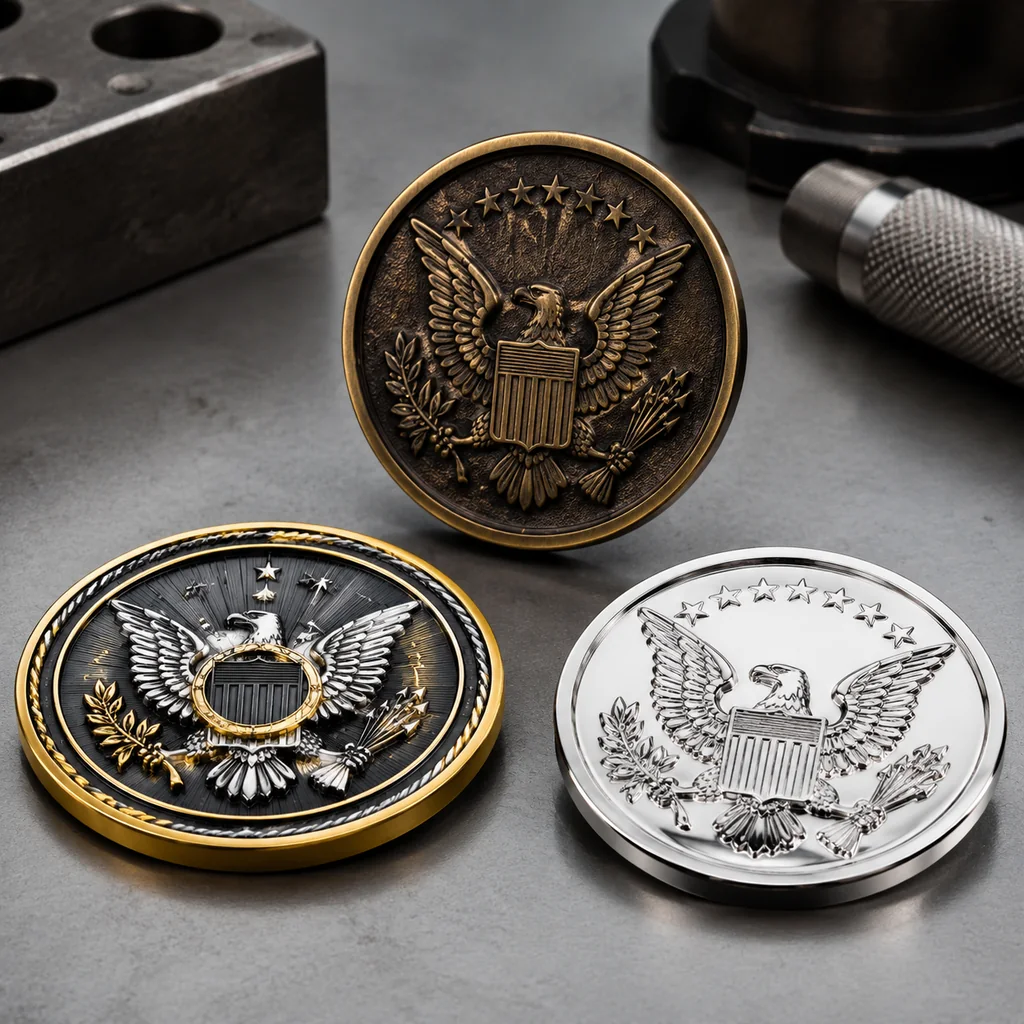
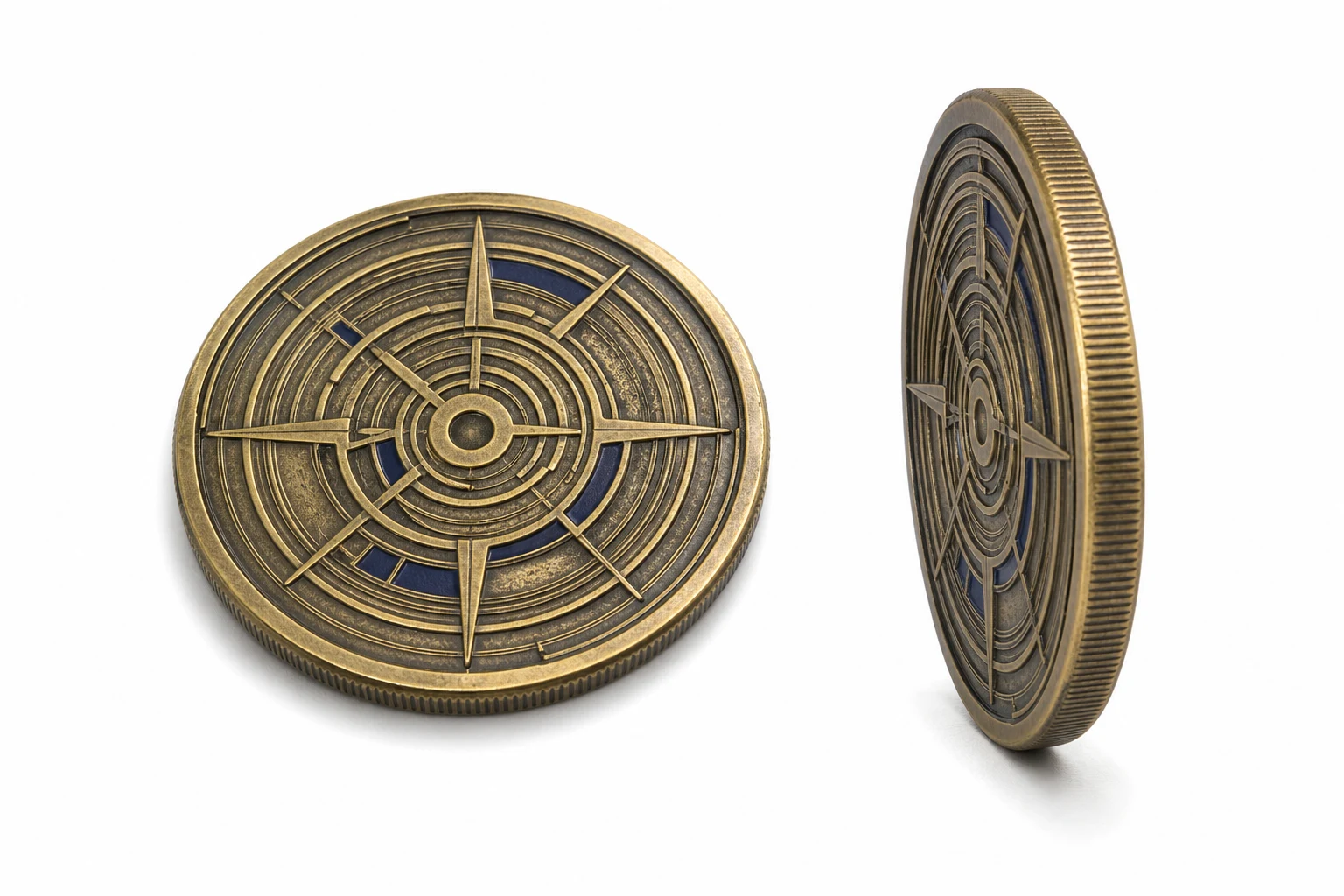
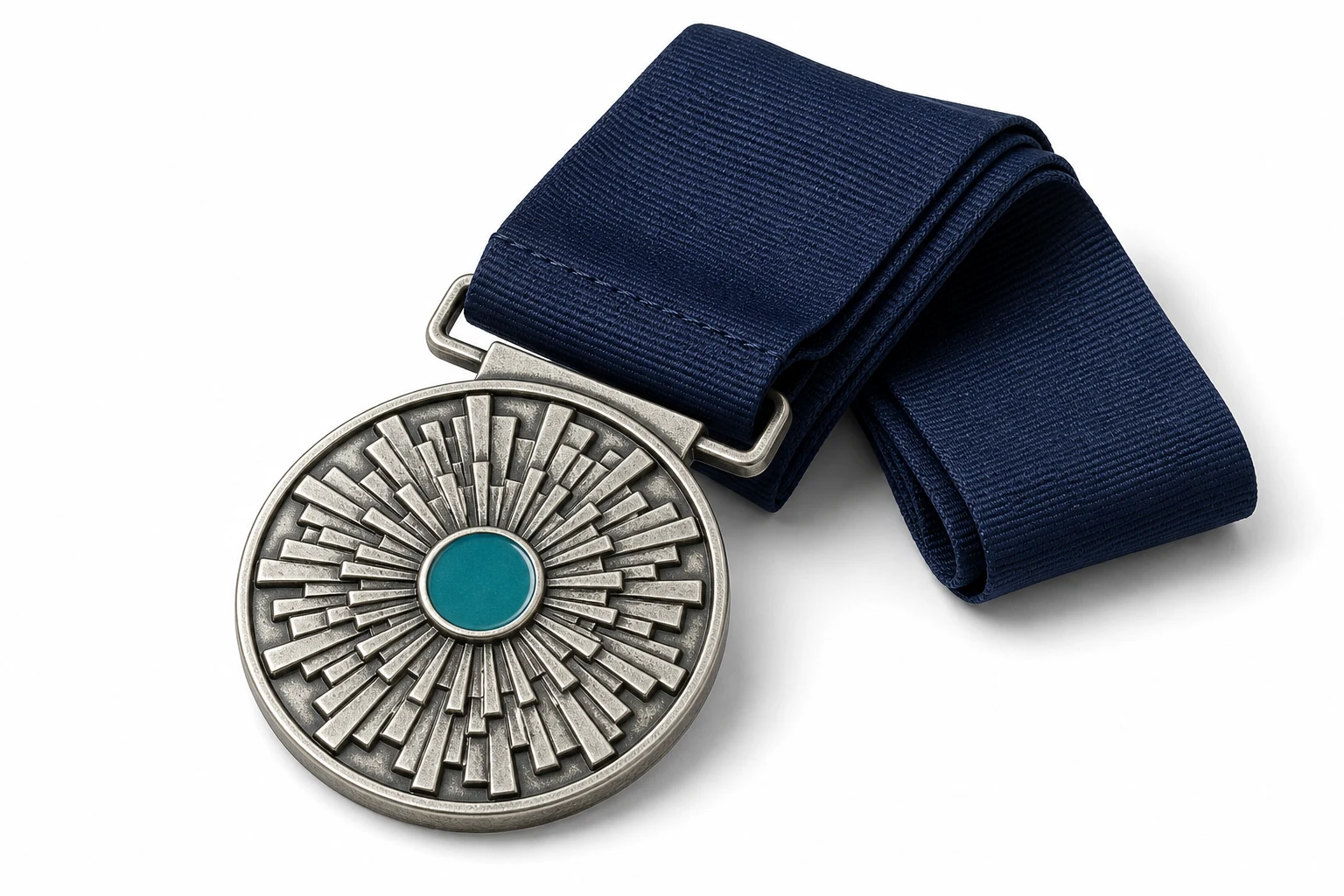
Choose challenge coin plating options according to the artwork's need for contrast, the expected handling, and the occasion. Antique gold, silver, brass, or copper is a strong starting point for detailed die-struck relief because oxidized recesses can separate crests, dates, and lettering from raised metal. Gold, silver, and copper finishes suit cleaner ceremonial layouts with larger open metal areas. Use dual-tone when defined zones, such as an emblem, border, or text band, need separate metal treatments. Confirm the proposed plating stack, finish appearance, and approved sample with the supplier before bulk production.
Start With the Occasion
The appropriate finish is the one that makes the coin readable, supports the recognition moment, and fits how recipients will use it. A military unit coin carried or traded regularly may call for a different visual approach from a corporate milestone piece presented in a wood gift box. Police and fire department coins, memorial coins, club pieces, and award programs can share similar construction while requiring different levels of formality, contrast, and presentation.
Available challenge coin plating options include gold, silver, copper, antique brass, antique gold, antique silver, antique copper, dual-tone, and black nickel. Brass is the default base metal, with copper, zinc-alloy, and iron also available. Standard sizes are 1.5 inch or 40 mm, 1.75 inch or 45 mm, and 2 inch or 50 mm, with custom sizes up to 4 inches. Standard thickness is 3 mm, while 3.5 mm to 5 mm is available for premium heavy coins.
Select the finish alongside relief, enamel, edge treatment, and packaging rather than after artwork approval. Die-struck relief depends on light and shadow, while soft enamel, hard enamel, offset print, and 3D sculpting introduce additional visual layers. Edge options including plain, rope or cable, diamond-cut, oblique-line, cross-cut, and custom edge lettering also affect how much metal remains visible when the coin is held.
Plating Options Compared
| Plating option | Best fit | Main consideration | Buyer note |
|---|---|---|---|
| Antique gold | Formal recognition coins with raised crests, dates, or mottoes | A more subdued appearance than gold with open reflective fields | Consider it when recessed detail needs visible separation |
| Antique silver | Unit coins, memorial pieces, and detailed commemorative artwork | A restrained appearance compared with silver finishes | A practical starting point for die-struck relief with oxidized recesses |
| Antique brass | Traditional or heritage-style recognition pieces | A warm, aged visual direction | Review it with the selected enamel colors and relief layout |
| Antique copper | Collector coins and warm-toned commemorative themes | A distinctive metal color that affects the overall palette | Check a sample when the artwork uses multiple enamel colors |
| Gold | Ceremonial awards, milestone coins, and gift presentation | Open metal fields and raised areas become a prominent part of the design | Review it with the intended pouch, capsule, case, or box |
| Silver | Corporate, association, and clean institutional designs | Dense relief may show less separation than with an antique treatment | Evaluate actual line weight and recess depth in the sample |
| Copper | Warm-tone collector or club coins | The metal color strongly influences enamel color perception | Confirm that the selected colors remain distinct beside the copper tone |
| Dual-tone | Designs with clear emblem, border, date, or text zones | Artwork must define each finish boundary precisely | Use it to establish hierarchy without adding enamel to every area |
| Black nickel | Modern designs using bright enamel or bold raised elements | Dark metal can reduce separation in low-contrast artwork | Sample it with the actual enamel, lettering, and relief treatment |
Use the table as a first-pass selection tool, then approve the finish from a physical sample. For traditional identity and readable relief, begin with antique options. For a clean ceremonial or executive presentation, compare gold and silver. When the design has two clear visual priorities, dual-tone can separate them in metal.
Use Antique Finishes for Relief Contrast
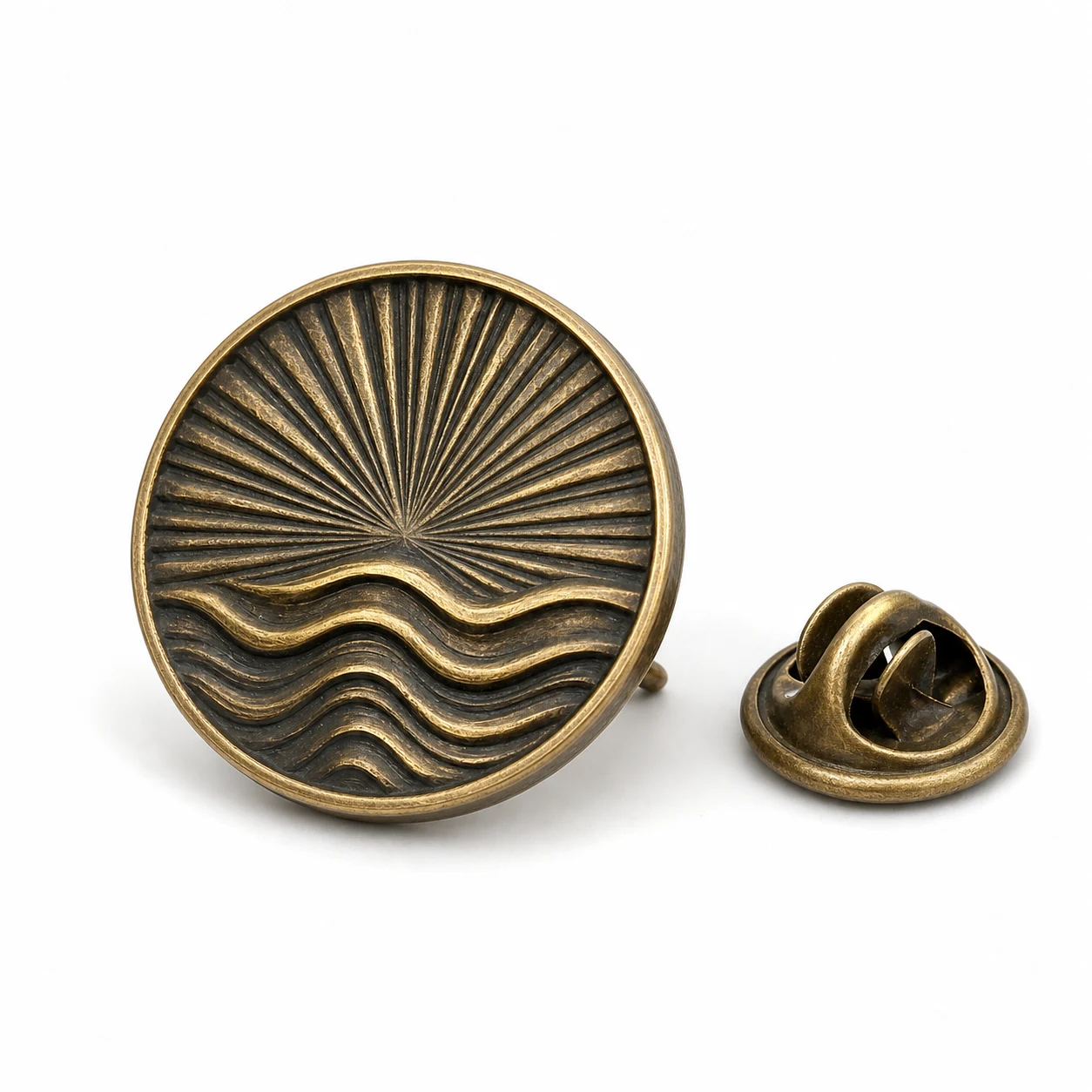
Antique finishes are a practical choice for detailed challenge coins because the supplied product information identifies antique oxidizing as a treatment that brings out recessed detail. The purpose is visual separation between recessed areas and raised features. When a die-struck design includes small lettering, shield lines, building details, or layered insignia, that separation can make the foreground and background easier to distinguish in normal viewing.
Antique gold, antique silver, antique brass, and antique copper are not interchangeable. Antique silver is comparatively neutral for unit, chapter, and association programs. Antique gold can fit formal recognition pieces. Antique brass and antique copper provide warmer metal tones for commemorative or heritage-oriented artwork. Review the selected option with the actual enamel colors, edge treatment, and relief layout because each affects the finished visual balance.
A 3 mm coin is standard, while 3.5 mm to 5 mm options are intended for premium heavy coins. Greater thickness can change the physical presence of the piece, but it does not replace suitable relief design or finish selection. For dense artwork, specify the size, thickness, relief treatment, and finish together so the supplier can assess the clarity of lettering and small details.
Use Gold, Silver, or Copper for Ceremony
Gold, silver, and copper can suit coins intended for awards, milestone presentation, photography, display, or packaging in a velvet pouch, acrylic capsule, plastic coin case, or wood gift box. They are best evaluated with open artwork that gives the emblem, date, or limited text sufficient room. A relief-heavy design should be compared against an antique alternative during sampling.
Handling should be part of the decision. A coin passed around, traded, or carried can present differently over time from a coin stored in a capsule or presentation box. The supplied facts do not establish a universal plating thickness, protective treatment, or wear-test result for each finish. Ask the supplier to confirm the proposed finish stack and evaluate the sample against the handling, storage, and appearance expectations for the program.
Silver provides a neutral metal frame when the artwork should remain the main focus. Gold has a more overt award-oriented direction for formal recognition. Copper is more distinctive and should be sampled with the selected enamel palette. In every case, inspect whether text, high points, and open fields remain legible under ordinary viewing light.
Specify Dual-Tone and Black Nickel Clearly
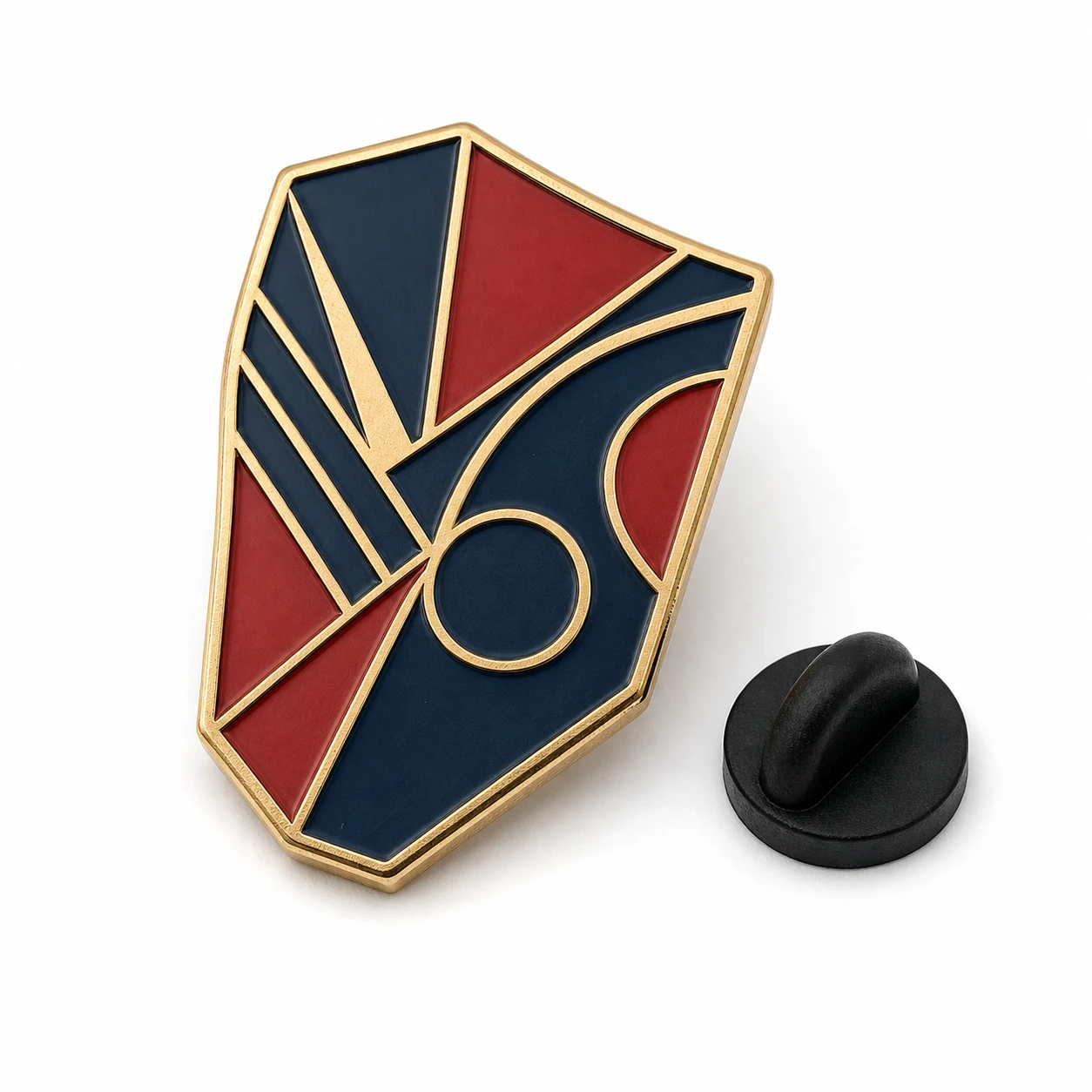
Dual-tone is appropriate when the design needs hierarchy in metal rather than only in enamel. It can separate a raised emblem from a border, distinguish a date or motto, or assign different visual roles to the front and back. The product specifications list dual-tone under plating and dual-plating under decoration. Treat these as related production terminology, but provide explicit artwork callouts rather than relying on the label alone.
Dual-tone works best when the design already has distinct structural zones, such as a central crest, outer ring, and text band. If the artwork consists mainly of small lettering and shallow background detail, a single antique finish may provide clearer overall contrast. Ask the supplier to confirm that the selected base metal, relief layout, and finish boundaries are suitable for the requested execution.
Black nickel provides a dark metal base for designs using bright enamel or bold raised elements. Sample it with dark enamel areas, fine lettering, and dense relief because low-contrast layouts can lose visual separation. Select black nickel because it supports the intended visual direction, not as a default replacement for antique silver or antique gold.
Match the Finish to Coin Construction
Plating is one part of the specification. The selected base metal may be brass, copper, zinc-alloy, or iron, with brass as the default. Decoration can include die-struck relief, soft enamel, hard enamel, offset print, 3D sculpting, and dual-plating. Size and thickness also change the visual and physical character of the same design. A 1.5 inch coin at 3 mm will not present the same way as a 2 inch coin at 5 mm.
For relief-heavy coins, antique finishing can support the purpose of a die-struck design. For color-heavy coins, choose a metal treatment that frames the enamel rather than competing with it. Soft enamel and hard enamel are available color treatments, while offset print can carry graphic detail that may not be practical in metal relief. A 3D sculpt can add dimension to a crest or emblem, but the raised and recessed forms still need sufficient contrast to read clearly.
Specify the edge with the finish because the edge remains visible in hand. Plain edges are restrained, while rope or cable edges add ceremonial character. Diamond-cut, oblique-line, and cross-cut edges create a more textured perimeter. Custom edge lettering can carry unit mottoes or serial numbering. Confirm edge detail at the selected size and thickness, especially when it must remain readable after finishing.
The supplied facts name finish families and base metals but do not define one plating stack, coating thickness, corrosion requirement, anti-tarnish treatment, or abrasion test method. Do not infer those specifications from the terms antique, gold, silver, copper, dual-tone, or black nickel. When repeat handling, storage conditions, color consistency, or durability are material to the purchase, request written supplier confirmation of the proposed construction and applicable inspection criteria.
RFQ Checklist for Buyers
- State the intended use: military unit coin, police or fire department coin, corporate milestone, commemorative or memorial coin, club or association piece, or award and recognition item.
- Select the base metal: brass by default, or copper, zinc-alloy, or iron when required.
- Confirm the size and thickness: 1.5 inch or 40 mm, 1.75 inch or 45 mm, 2 inch or 50 mm, or custom up to 4 inches; 3 mm standard or 3.5 mm to 5 mm for premium heavy coins.
- Choose the finish family: gold, silver, copper, antique brass, antique gold, antique silver, antique copper, dual-tone, or black nickel.
- Identify the main visual priority: readable relief, ceremonial presentation, dark contrast, or two-metal hierarchy.
- Specify decoration: die-struck relief, soft enamel, hard enamel, offset print, 3D sculpting, dual-plating, or a defined combination.
- For dual-tone work, provide a zone map that labels every requested metal treatment.
- Choose the edge: plain, rope or cable, diamond-cut, oblique-line, cross-cut, or custom edge lettering.
- Match packaging to the presentation: PVC pouch by default, or a velvet pouch, acrylic capsule, plastic coin case, or wood gift box.
- Plan quantities around the 100-piece MOQ per design and the listed 7-10 day sample lead time and 18-25 day bulk lead time.
- Ask the supplier to confirm the plating stack, appearance standard, and required handling, wear, or storage criteria before bulk approval.
This checklist prevents disputes caused by incomplete finish expectations. A request for gold may describe a display-oriented recognition piece, while recipients may be expected to handle the coin daily. A request for antique silver may prioritize relief contrast, while a program manager may expect a clean, reflective appearance. State the intended use and visual priority directly in the RFQ.
Approve From a Production Sample
A sample is the practical checkpoint for plating, relief, enamel, edge, and packaging alignment. The listed sample lead time is 7-10 days, with bulk production listed at 18-25 days. Settle the finish before bulk approval because a finish change can alter the relationship between recessed areas, raised metal, enamel fields, and edge texture.
During sample review, inspect message-carrying areas first: the emblem, text, dates, borders, and 3D sculpted details. Then inspect raised metal and the edge under ordinary viewing conditions. For enamel designs, determine whether the metal treatment supports the color fields or overwhelms them. For gift presentation, review the coin in its selected pouch, capsule, case, or box rather than only loose on a desk.
For dense relief, small text, crests, memorial themes, or traditional unit identities, begin with antique silver, antique gold, antique brass, or antique copper. For formal awards and milestone presentations with open artwork, compare gold and silver. When an emblem, border, and text need distinct metal roles, define a dual-tone layout before adding more enamel. For a darker modern base, sample black nickel with the actual enamel and relief arrangement. Retain the approved sample and written specification for reorders, then confirm availability before a new production run. The supplier states that it archives steel dies for five years.
Ready to get this made?
Send your sketch, target quantity and ship-date. Detailed quotation in 12 hours.