2D vs 3D Challenge Coin Relief: Where Detail Matters
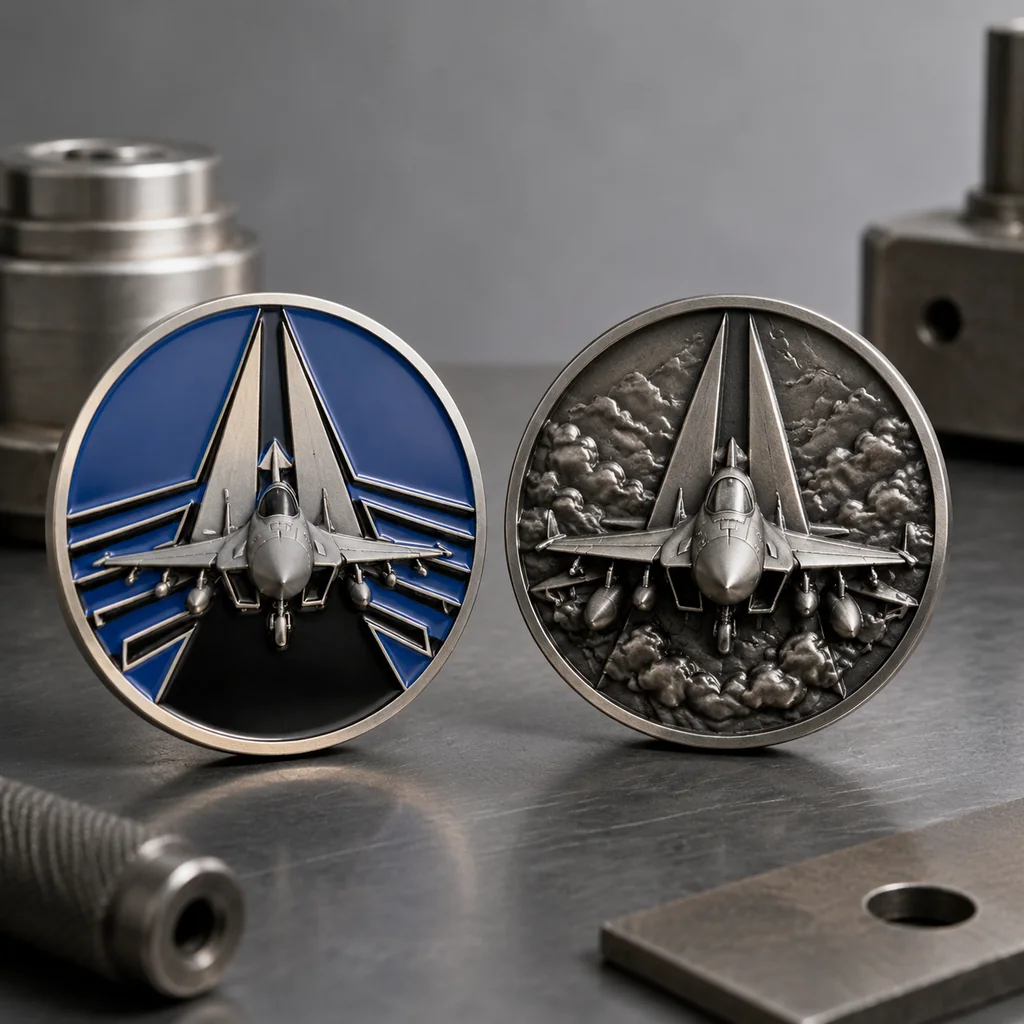
Choose 2D die-struck relief when the recognition message can be communicated clearly through raised and recessed detail, with enamel or print used only where needed. Choose 3D sculpt when the form of a crest or emblem is itself central to the message. Specify diameter, thickness, edge treatment, plating, packaging and inspection separately, because the supplied specifications do not establish that either relief option is automatically heavier, cheaper or faster.
Start With the Recognition Message
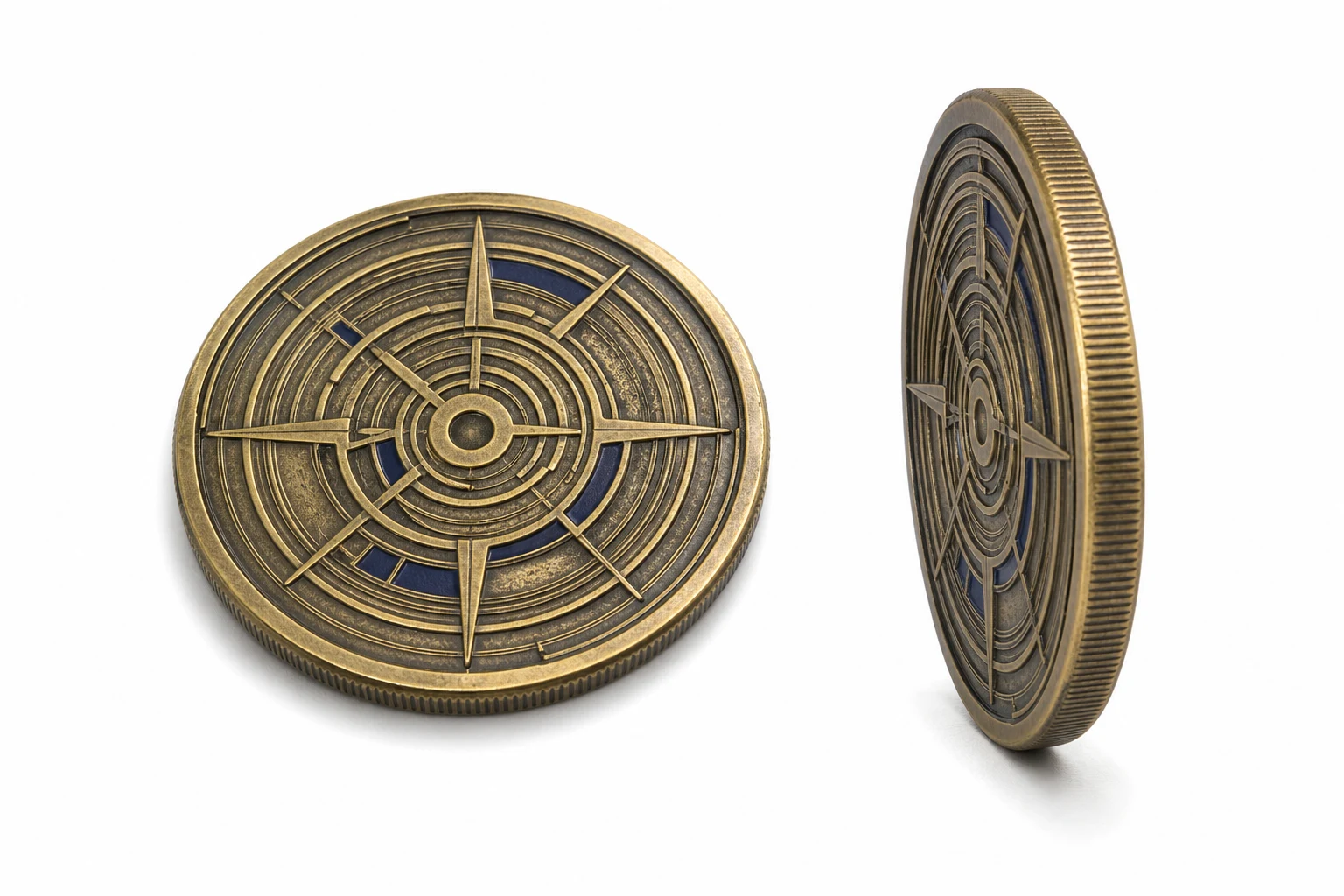
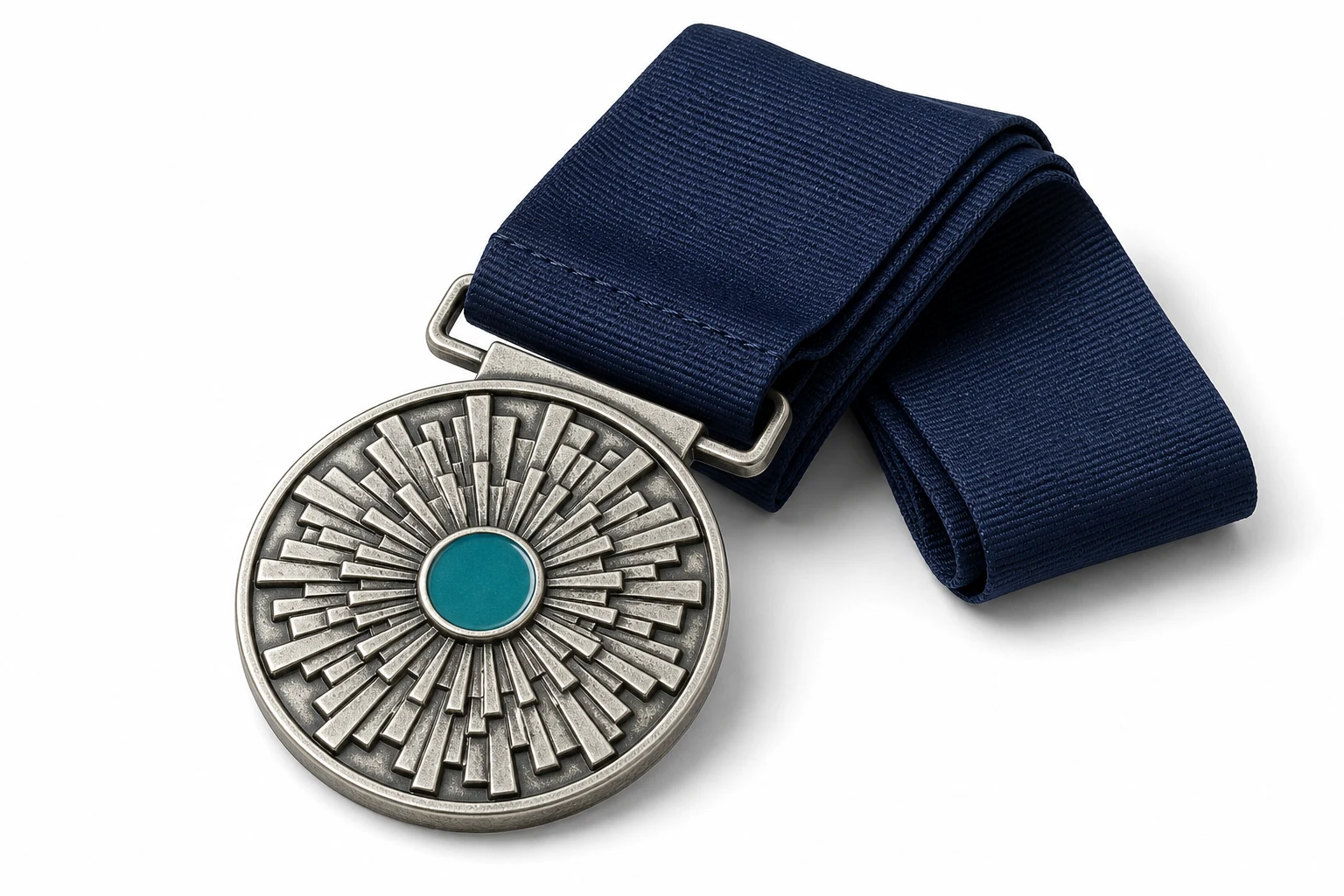
The practical decision in 2D vs 3D challenge coin relief is not which option sounds more premium. It is whether dimensional treatment improves how the recipient recognizes the unit, event, achievement or organization. For military, police and corporate recognition teams, the coin must carry a message at hand-held scale while also feeling appropriate to the occasion. The available challenge-coin specifications list die-struck relief and 3D sculpt as decoration choices, alongside soft enamel, hard enamel, offset print and dual-plating.
For this buyer guide, use 2D to describe the listed die-struck relief option and 3D to describe the listed 3D sculpt option. A die-struck relief build is the direct choice where the artwork can be carried by clear raised and recessed areas. A 3D sculpt build is specifically relevant where a crest or emblem benefits from sculpted treatment. Neither description replaces the rest of the coin specification: an otherwise suitable relief choice can still fail to meet the brief if the selected diameter, thickness, edge, plating or packaging does not match the recognition use.
Do not turn relief into a proxy for price, production time or physical weight. The supplied product information gives a category price range of $0.80 to $4.50 per piece FOB, a 7-10 day sample lead time and an 18-25 day bulk lead time, but it does not split those figures between 2D and 3D designs. Ask for a quote against the completed design and specification rather than assuming that one relief type has a fixed commercial outcome.
Choose the Relief That Carries the Artwork
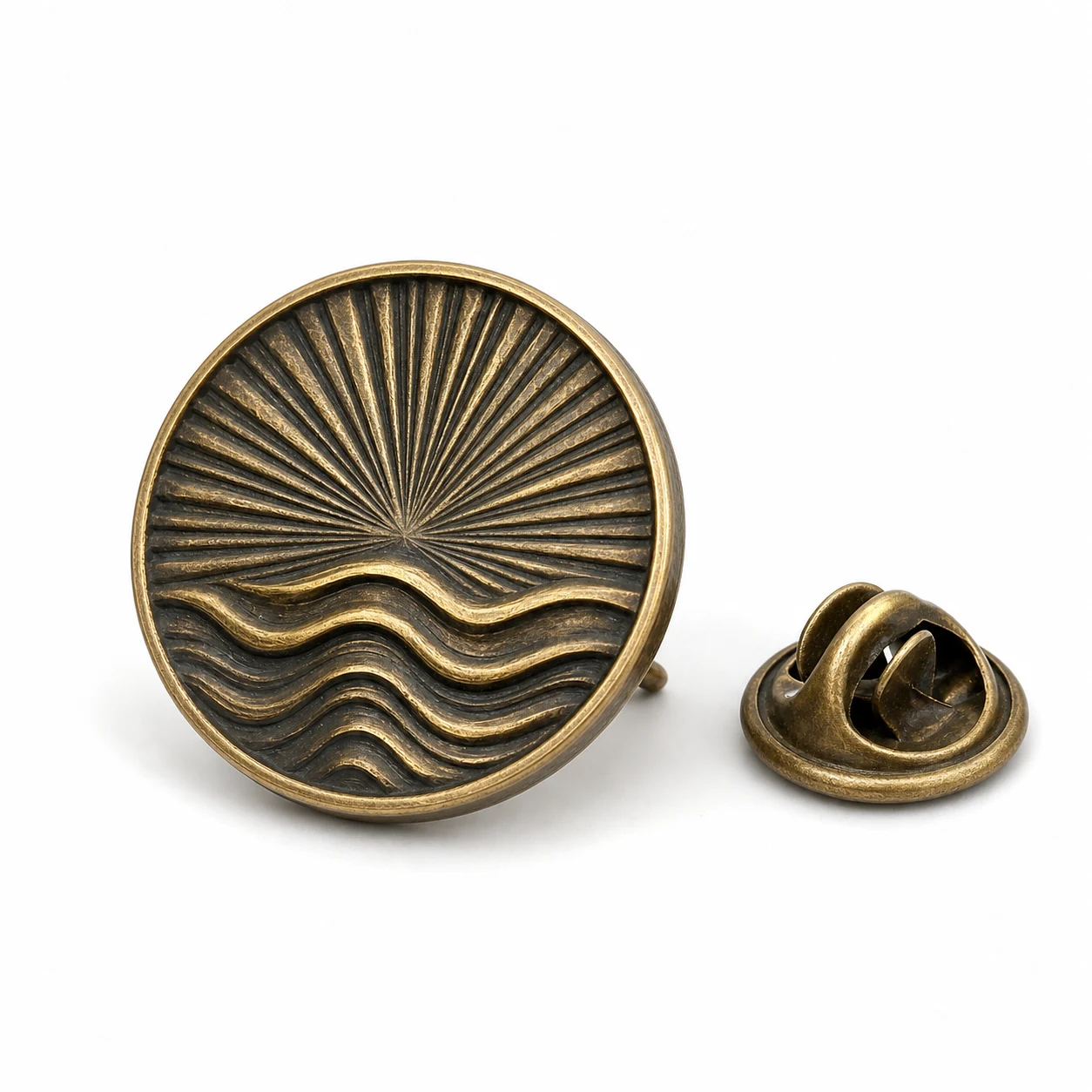
Use 2D die-struck relief when the artwork can retain its identity through a deliberate hierarchy of raised and recessed elements. This is a sound starting point for wording, borders, insignia elements and graphic compositions that need crisp relief without making sculpted form the main feature. The product information notes that challenge coins live or die on the weight in the hand and the crispness of the relief, so the approval discussion should focus on whether important identifying features remain distinct in the approved design.
Use 3D sculpt when a crest or emblem needs its form to do more of the recognition work. The supplied information explicitly identifies 3D sculpting for crests and emblems. This is not a reason to turn every area of a coin into a sculpted surface. Retain 3D treatment for the portion of the design where it makes the recognition message clearer, and keep the rest of the brief controlled through the stated coin dimensions, finishes and edge option.
| Decision factor | Choose 2D die-struck relief when | Choose 3D sculpt when | Buyer specification point |
|---|---|---|---|
| Message structure | Raised and recessed detail communicates the design clearly. | A crest or emblem needs sculpted form to carry the message. | Identify the design features that must remain recognizable. |
| Color treatment | Soft enamel, hard enamel or offset print is needed with relief. | The sculpted emblem remains the central visual treatment. | List every decoration method rather than writing only "full color." |
| Diameter | The selected standard or custom size gives the artwork enough room. | The selected standard or custom size gives the sculpted emblem enough room. | Available standard sizes are 1.5 inch (40mm), 1.75 inch (45mm) and 2 inch (50mm), with custom sizes up to 4 inch. |
| Thickness and feel | A 3mm standard coin meets the brief. | A 3mm standard coin or 3.5-5mm premium heavy coin meets the brief. | State thickness separately; the supplied facts do not set a thickness rule by relief type. |
| Commercial planning | The completed design fits the approved quote and timing. | The completed design fits the approved quote and timing. | No relief-specific price or lead-time breakdown is supplied; quote the finished specification. |
Set Diameter and Thickness Before Judging Detail
Relief cannot be evaluated independently from coin size. The standard size options are 1.5 inch (40mm), 1.75 inch (45mm) and 2 inch (50mm), while custom sizes are available up to 4 inch. Use the actual proposed diameter in the artwork review and quote request. A procurement team should avoid approving a design as merely "coin sized," because the same art direction can be proposed across several sizes with different available visual area.
Thickness is the more direct specification for the physical build. The stated standard thickness is 3mm. For premium heavy coins, the stated range is 3.5-5mm. If a program calls for a more substantial hand feel, state a thickness within the available premium range rather than relying on 3D relief alone to create that result. The product narrative associates a substantial coin with minimum 3mm stock and identifies 3.5-5mm as the premium range, but it provides no coin-weight figures. Do not put an unsupported target weight in the purchase order.
Base metal must also be selected as its own line item. Brass is the default material, with copper, zinc-alloy and iron also listed. The fact sheet does not assign a specific material to 2D or 3D relief, so select the material according to the approved quote and the desired overall build rather than treating it as a consequence of the relief decision. Recording material, diameter and thickness together makes later reorders easier to compare against the original specification.
Use Edges and Finishes to Support the Relief
The edge is a separate recognition choice, not a finishing detail to leave open. Available options are plain, rope or cable, diamond-cut, oblique-line and cross-cut, with custom edge lettering also available. For a military or public-safety coin, a unit motto or serial numbering may make custom edge lettering part of the recognition message. For a corporate milestone coin, the edge can remain less prominent while the main face carries the organization and achievement.
Plating should be selected with the relief, color and edge in view. Available finishes include gold, silver, copper, antique brass, antique gold, antique silver, antique copper, dual-tone and black nickel. The product narrative notes that antique oxidizing brings out recessed detail. That makes antique treatment a relevant option to review for a relief-led design, particularly where recessed elements need visual distinction. It does not make antique finishing mandatory; record the selected plating or finish exactly in the specification.
A simple rule keeps the decision disciplined: use relief for the primary recognition form, then use edge and finish to reinforce the intended character. Do not add rope, diamond-cut, dual-tone, antique treatment and 3D sculpt merely because each option is available. More treatments create more variables for artwork approval and incoming inspection. Spend specification detail where the recipient will actually recognize the message.
Add Color or Print Only Where It Clarifies
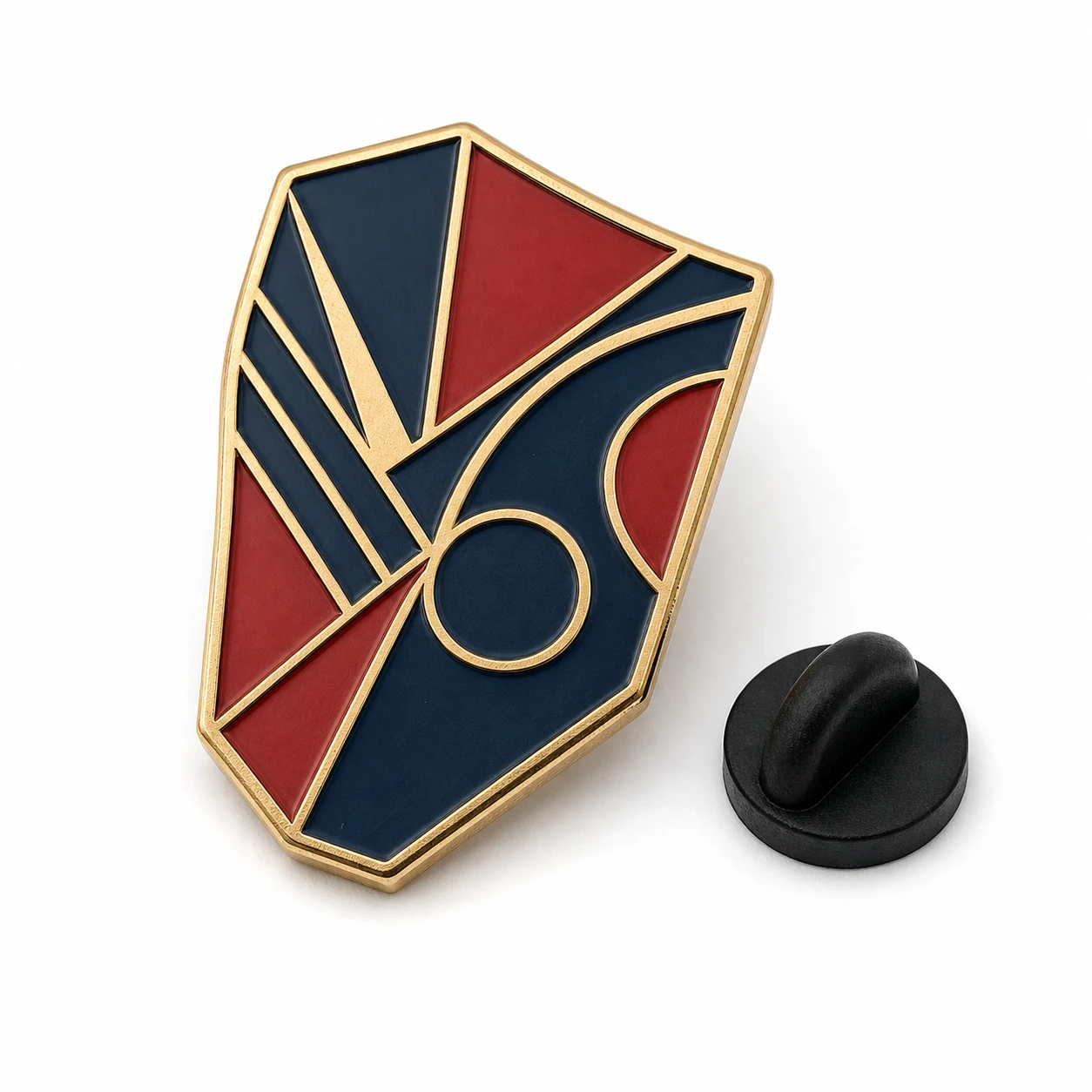
Challenge coins can combine die-struck relief with soft enamel or hard enamel color, dual-plating or 3D sculpting. Offset print is also listed as an available decoration option. First decide whether the central image should be die-struck relief or 3D sculpt. Then identify where color or print clarifies information that should not be carried by relief alone.
Write each selected decoration method into the RFQ. For example, a brief can specify die-struck relief with soft enamel and antique brass, or 3D sculpt for the crest with a stated plating choice. Do not rely on a broad phrase such as "detailed coin" because it does not tell the supplier which of the listed decoration methods is expected. Confirm the proposed combination of relief, enamel, offset print and plating with the supplier against the approved artwork.
For recognition programs that will reorder, maintain a controlled version of the approved artwork and the selected decoration list. The product information states that steel dies are archived for five years. A buyer should still preserve the original dimensions, metal, thickness, relief method, edge, plating, packaging and artwork version in its own order record so the reorder request is unambiguous.
Build Inspection Around the Approved Specification
Inspection should answer whether the delivered coin matches the approved relief and build, not whether it resembles a general idea of a challenge coin. The supplied facts do not give dimensional tolerances, defect limits or an AQL plan. Do not present unstated controls as supplier standards. Where tolerances, defect limits or sampling methods are required, agree them with the supplier and record them in the purchase specification. Use the approved sample and written requirements as the reference for the checks your team requires.
- Confirm the approved artwork version and state whether the principal treatment is die-struck relief or 3D sculpt.
- Record the selected base metal: brass, copper, zinc-alloy or iron.
- State the ordered diameter: 1.5 inch (40mm), 1.75 inch (45mm), 2 inch (50mm), or the approved custom size up to 4 inch.
- State the thickness: 3mm standard or the selected 3.5-5mm premium-heavy thickness.
- List every decoration method used: die-struck relief, soft enamel, hard enamel, offset print, 3D sculpt or dual-plating.
- Name the edge treatment: plain, rope or cable, diamond-cut, oblique-line, cross-cut, or approved custom edge lettering.
- Name the plating or finish, including the exact antique or dual-tone selection where applicable.
- Approve the sample before bulk production and use it as the reference for relief clarity, edge treatment and finish.
- Confirm the required packaging: PVC pouch, velvet pouch, acrylic capsule, plastic coin case or wood gift box.
- Check ordered quantity against the 100-piece minimum per design and record the requested bulk delivery date against the stated 18-25 day bulk lead time.
Plan the Order Around Sample and Bulk Timing
The stated sample lead time is 7-10 days and the stated bulk lead time is 18-25 days. Build the internal approval sequence around those stated periods, leaving the design review, relief decision and packaging confirmation early enough that they do not become open changes after the sample. Relief affects the visual identity of the coin, while packaging affects how it is issued, presented or distributed. Both should be locked before the bulk order is released.
The minimum order quantity is 100 pieces per design. For a recognition program with different ranks, units, years or milestones, define what counts as a separate design before totaling demand. A front-face change, a different edge-lettering requirement or a different relief treatment can make the internal purchase request materially different even when the overall coin format appears similar. Keeping those variations distinct prevents a generic quote from hiding decision-critical differences.
Packaging should reflect the handover context without being assumed to alter the coin itself. PVC pouch is the default option. Velvet pouches, acrylic capsules, plastic coin cases and wood gift boxes are also available. Put the packaging choice on the same approval sheet as the coin face, edge and finish so that recipients receive the intended presentation, whether the order supports a unit coin, a police or fire department, a corporate milestone, a club or an award program.
Send a Relief-Specific RFQ Next
For the next RFQ, begin with one direct statement: "Use die-struck relief" or "Use 3D sculpt for the crest or emblem." Then attach the approved artwork and specify the base metal, diameter, thickness, color or print treatment, edge option, plating, packaging, quantity and target timing. This converts the 2D versus 3D discussion into a quoteable and inspectable order rather than a subjective request for a more premium-looking coin.
Use 2D relief where clear raised and recessed detail already communicates the recognition message. Reserve 3D sculpt for the crests and emblems whose form needs that treatment. At the same time, spend specification effort on the dimensions, premium thickness where required, edge treatment and finish that make the approved design consistent from sample through bulk delivery.
Ready to get this made?
Send your sketch, target quantity and ship-date. Detailed quotation in 12 hours.