Race Medal Size and Weight Guide: Plan Comfort, Cost, and Shipping
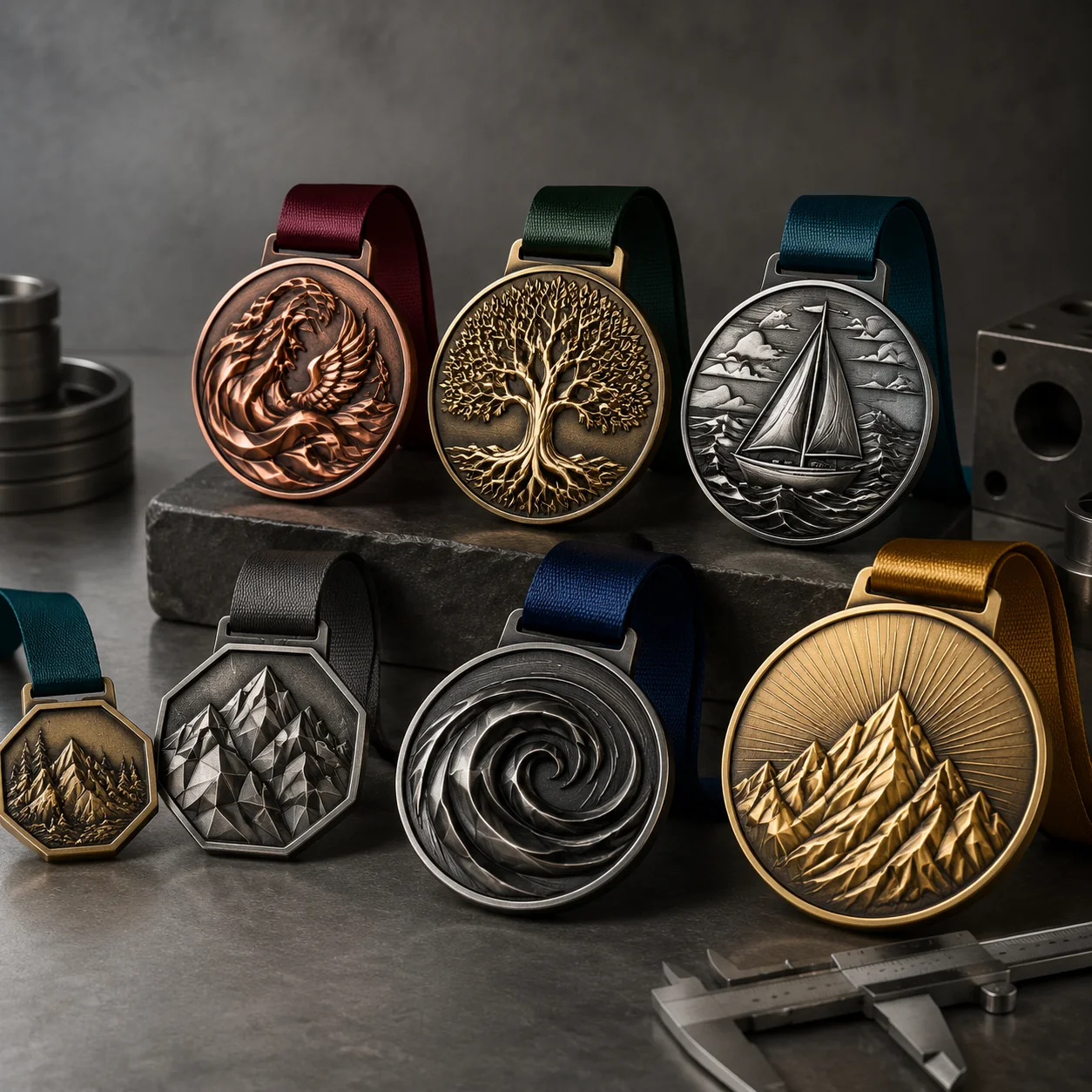
For most race organizers, start with a 2.5 inch to 3 inch zinc-alloy medal at 3mm thickness. Consider 4mm to 6mm only when a deliberately heavier premium award justifies the added neck load, packing volume and freight exposure. Specify a 22mm to 38mm neck ribbon with the medal, and request quoted unit weight, carton quantity, carton dimensions and gross carton weight for the approved artwork and packaging. Diameter creates visual impact; thickness should be added only when the event's comfort and logistics plan can support it.
Start With the Buyer Decision
A finisher medal must feel meaningful in an athlete's hand while remaining practical to wear through the finish area, photos and post-race activity. For an event buyer, size and weight are controlled specifications rather than late design choices.
Custom race medals are available in standard 2 inch, 2.5 inch and 3 inch sizes, with custom sizes up to 5 inch. Standard thickness is 3mm, while 4mm to 6mm is used for premium heavy medals. Neck ribbons are available from 22mm to 38mm wide. These limits give organizers a useful starting envelope before artwork, packing and freight are finalized.
Perceived value does not come from weight alone. Diameter, relief depth, plating, enamel, ribbon artwork and presentation all affect whether a medal feels substantial. A visually strong 3 inch medal at 3mm can create a premium finish-line impression without automatically committing the order to the heaviest available specification.
Choose Diameter for Event Visibility
| Medal size | Planning use | Decision to control |
|---|---|---|
| 2 inch (50mm) | School awards, youth events, compact tournament medals and budget-led participation awards | Confirm that the artwork remains legible and that the medal provides enough visual presence for the event |
| 2.5 inch (63mm) | A balanced starting point for general races, charity runs and broad participation events | Use when organizers need a credible custom medal while keeping the specification conservative |
| 3 inch (75mm) | Marathons, signature races, sponsor-visible events and premium tournament awards | Confirm exact unit weight and packed carton details from the approved artwork |
| Custom size up to 5 inch | Anniversary editions, headline events and collector-style awards | Review neck comfort, packaging and freight before approving the size |
For most custom race medals, 2.5 inch and 3 inch are the practical planning range. A 2.5 inch medal is a conservative first specification when the order is large or operational simplicity is the priority. A 3 inch medal is often appropriate when the award will be prominent in athlete photos, sponsor content and registration marketing.
A larger face provides more room for course landmarks, mascots, event dates, sponsor marks, cut-outs and sculpted detail. It also makes weight control more important. Do not estimate freight from a generic size chart: require the supplier to quote expected unit weight and carton details from the actual medal design, ribbon and packaging choice.
Set Thickness Before Adding Weight
The standard medal thickness is 3mm. This is the appropriate baseline for many race medals because it provides a real metal feel without making heaviness the primary design feature. For large participation events, evaluate a 3mm version before moving to a heavier specification.
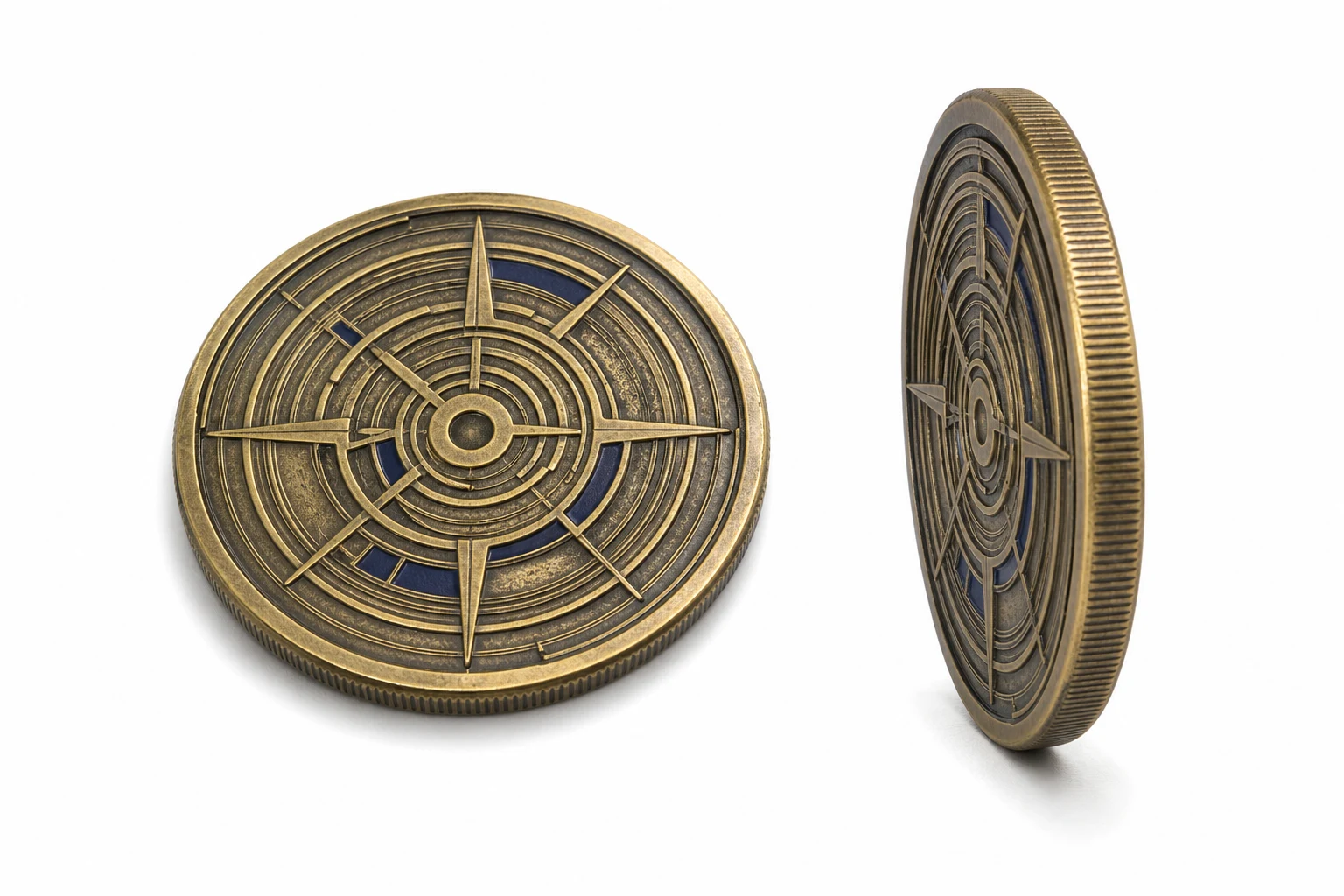
Premium heavy medals use 4mm to 6mm thickness. Added thickness can increase the sense of quality, especially with a 3 inch diameter, antique plating, deep relief or a sculpted 3D design. It can also increase neck load and make packing and freight more sensitive across a large order.
Treat visual premium and physical heaviness as separate decisions. Antique finishes, dual-tone plating, enamel color, offset print inserts and a well-designed ribbon can elevate the award without immediately moving to 6mm. When the event is undecided, request comparable pricing for a 3mm standard version and a 4mm to 6mm premium version, with unit and carton weights confirmed by the supplier.
Match Material and Decoration to the Design
Zinc-alloy is the default base metal and the strongest starting option when the artwork needs deep 3D casting. It suits race medal designs with runners, athletes, mascots, landmarks, year dates and other sculpted details. Brass, iron and copper are also available, but the base-metal choice should be reviewed with the intended decoration and finish.
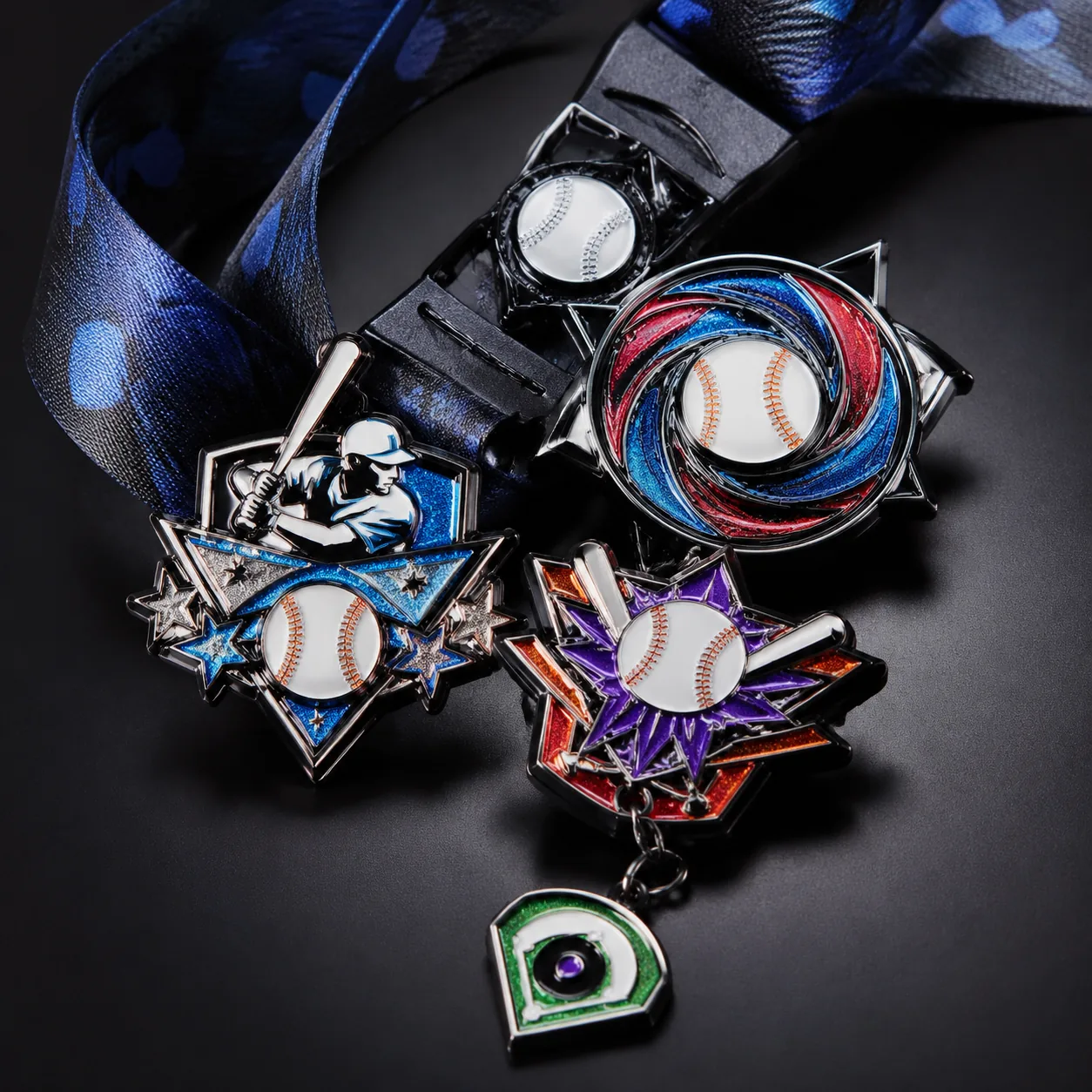
Supported decoration options include die-struck relief, 3D sculpting, soft enamel, hard enamel and offset print inserts. Use enamel where team, sponsor or event colors need clear visibility. Use antique relief for a traditional medal character built around raised and recessed metal detail. Cut-outs, spinning centers and custom edge shapes are possible, but they should be reviewed with the target size, thickness and quoted weight.
- Use zinc-alloy as the default for medals requiring crisp 3D casting.
- Use enamel when color is central to the event or sponsor identity.
- Use antique finishes when relief detail matters more than bright color.
- Use one shared design plated gold, silver and bronze for podium sets when the artwork is the same.
- Ask the supplier whether special features affect the approved unit weight.
Specify the Ribbon With the Medal
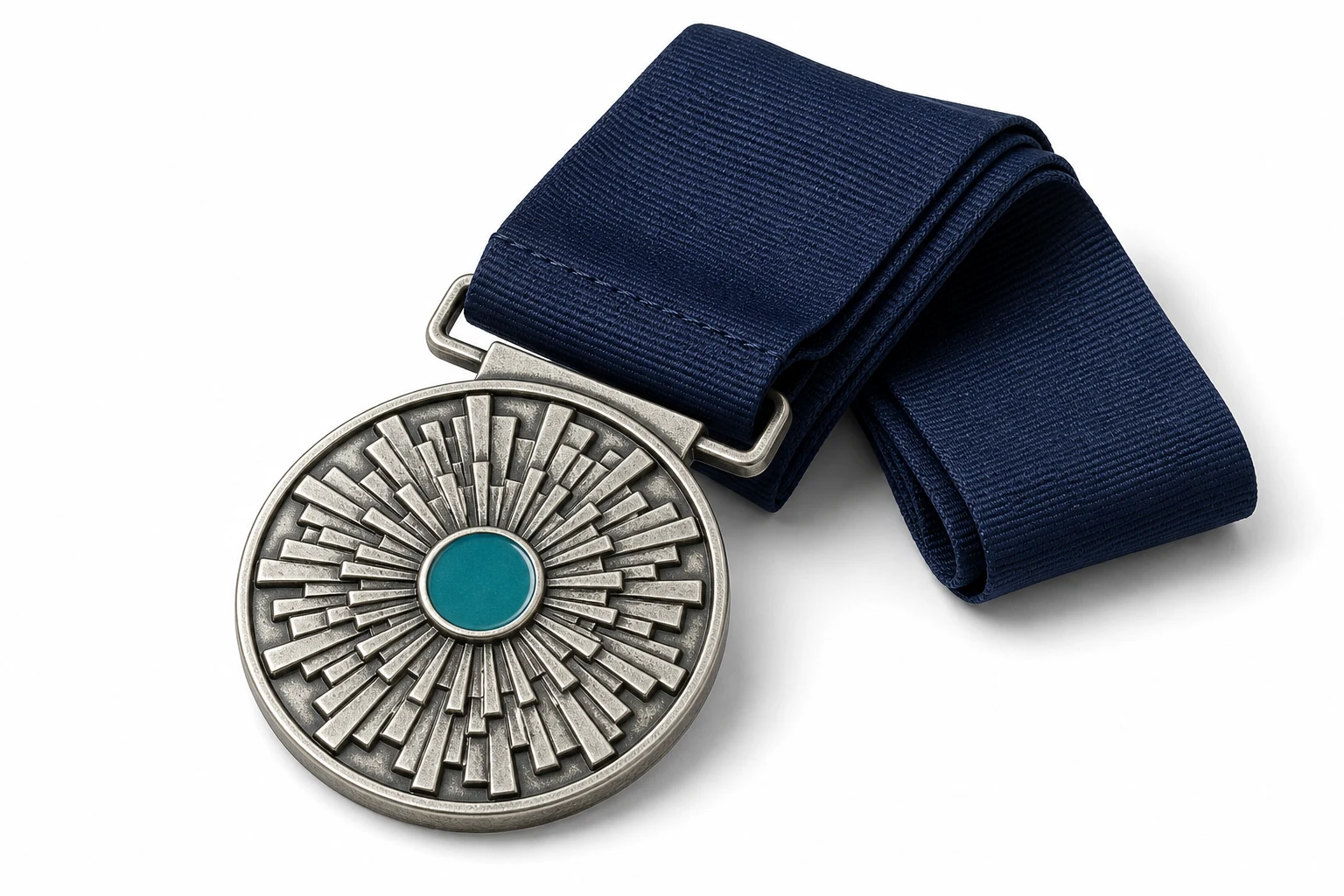
The neck ribbon is a major part of the finished award. Supported options include full-color dye-sublimation, woven ribbon and silk-screen neck ribbon, in widths from 22mm to 38mm. The ribbon carries event art, logos, sponsor names and color systems, while also affecting the medal's visual balance and packing configuration.
A 22mm ribbon can suit compact medals or conservative event specifications. Wider options, including 38mm ribbons, provide more area for sponsor and event artwork and can better balance a larger medal. Dye-sublimation supports edge-to-edge full-color artwork. Woven ribbon provides a textured premium finish, but its artwork should be reviewed for the detail the weaving method can reproduce.
Include ribbon width, decoration method and packing arrangement in the original RFQ. Confirm whether the ribbon is attached to the medal, folded in the poly-bag or packed separately. This prevents a metal quote from being approved before a material part of the award and its packing requirements have been defined.
Control Packing and Freight
Poly-bag packing is the default. Velvet pouches, gift boxes and presentation cases are optional. Poly-bags are generally the most direct packing option for high-volume finisher distribution. Boxes and cases may suit podium, VIP or corporate-recognition awards, but they can add carton volume, handling requirements and event-site storage needs.
There is no universal carton-weight figure for custom medals. Gross carton weight depends on diameter, thickness, base metal, relief, cut-outs, ribbon width, packing method and carton quantity. A 2.5 inch, 3mm poly-bagged medal is not the same freight specification as a 3 inch, 6mm medal in a presentation case.
Approve the medal and packing design together. Before freight is booked, require the supplier to provide unit weight for the approved medal, ribbon and packaging configuration, plus carton quantity, carton dimensions and gross carton weight. Those figures are necessary for freight comparison, warehouse receiving and event-site handling.
Plan MOQ, Samples and Price Correctly
The MOQ is 100 pieces per design. Organizers planning different distances, age groups or award categories should account for that per-design requirement. When gold, silver and bronze podium medals share the same artwork, the trio can use one die and be plated three ways rather than requiring separate tooling for each placement.
The stated sample lead time is 7 to 10 days, and bulk production is stated at 18 to 25 days. Use these as production planning anchors. Artwork approval, sample review, packing confirmation and freight booking must be completed around that production window. Changes to diameter, thickness or packaging after sample approval can alter the final weight and packing plan.
The stated FOB planning range is $0.60 to $4.50 per piece. Exact pricing must be confirmed with the supplier because size, thickness, base metal, decoration, plating, ribbon and packaging all affect the quote. Compare like-for-like specifications rather than treating a lower unit price as equivalent to a thicker medal, wider ribbon or boxed presentation.
Race Medal RFQ Checklist
- Confirm diameter: 2 inch, 2.5 inch, 3 inch or a custom size up to 5 inch.
- Confirm thickness: 3mm standard or 4mm to 6mm for a premium heavy medal.
- Confirm base metal: zinc-alloy, brass, iron or copper.
- Confirm decoration: die-struck relief, 3D sculpt, soft enamel, hard enamel or offset print insert.
- Confirm plating: gold, silver, bronze or copper, antique finishes, dual-tone or gunmetal.
- Confirm ribbon method and width within the 22mm to 38mm range.
- Confirm packaging: poly-bag, velvet pouch, gift box or presentation case.
- Confirm MOQ planning at 100 pieces per design.
- Confirm the sample and bulk production schedule.
- Request quoted unit weight, carton quantity, carton dimensions and gross carton weight for the approved configuration.
Choose the Final Specification
For a large public race prioritizing comfort and operational control, begin with a 2.5 inch zinc-alloy medal at 3mm thickness, a full-color ribbon within the supported 22mm to 38mm range and poly-bag packing. This is a dependable first quote for organizers balancing award value against logistics.
For a marathon, anniversary event or sponsor-led race, begin with a 3 inch zinc-alloy medal at 3mm and request a 4mm to 6mm alternative if a heavier premium feel is under consideration. Use dye-sublimated or woven ribbon when ribbon branding is central to the event, and reserve boxed packing for the award tiers that need it.
Send the artwork, target diameter, thickness, quantity, ribbon method and width, plating and packaging choice in one RFQ. Ask for price, production timing, unit weight and packed carton weight before approving bulk production. That process makes the medal feel substantial without leaving neck comfort or freight exposure to assumption.
Ready to get this made?
Send your sketch, target quantity and ship-date. Detailed quotation in 12 hours.