Bottle Opener Keychains: Functional Testing Before a Bulk Run
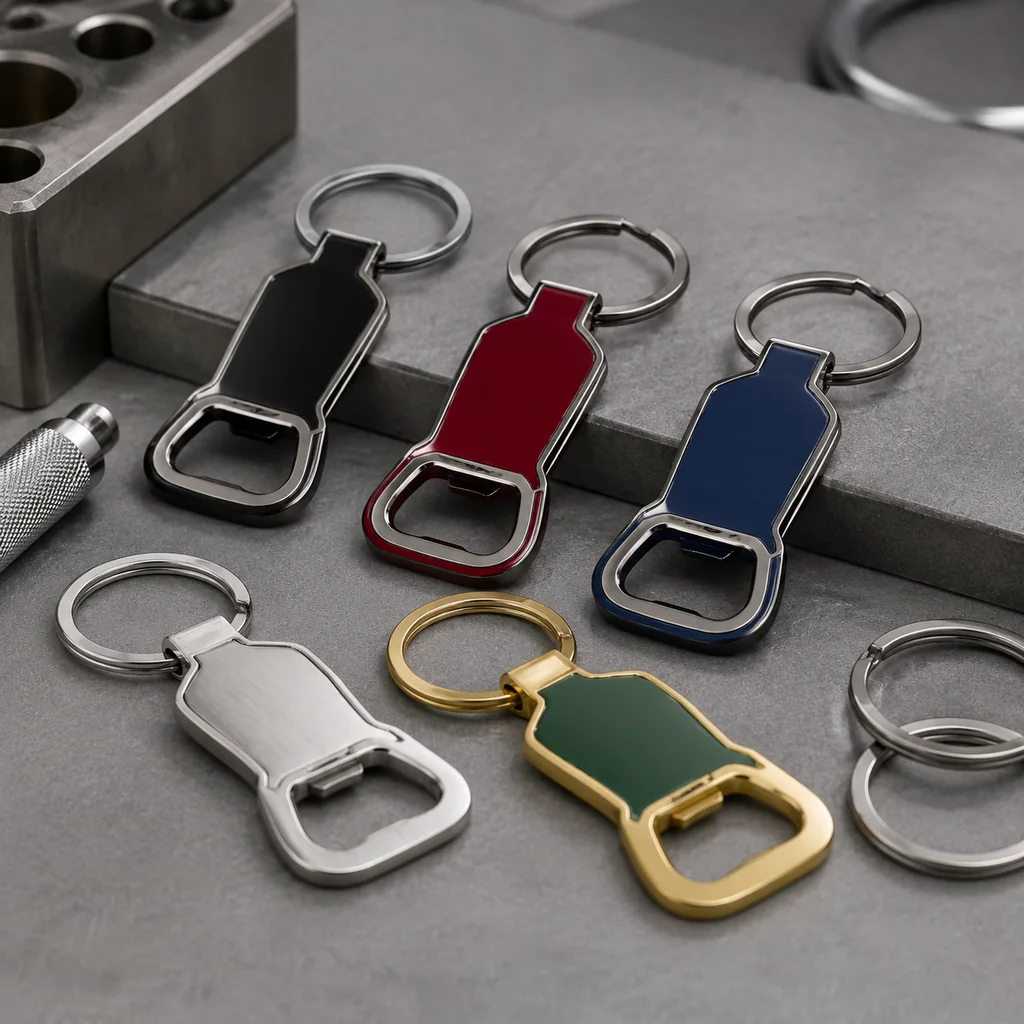
Run the bottle opener keychain functional test on a physical pre-production sample before approving artwork, plating, or packaging. Confirm the opener component material and any required hardness evidence, measure opening force using a defined bottle-and-closure specification, inspect exposed edges, and repeat opening and hardware cycles to reveal plating wear or fatigue. Release the bulk run only against written methods, pass/fail criteria, and the signed sample.
Make Function the First Approval Gate
Hospitality and beverage buyers should treat opening performance as the first approval gate, not as a final sample check. A giveaway can have accurate artwork, attractive plating, and matched hardware yet still fail its main purpose if the opener slips, requires inconsistent force, develops sharp contact edges, or weakens after repeated use. Styling cannot correct a weak load-bearing design after tooling or bulk production has started.
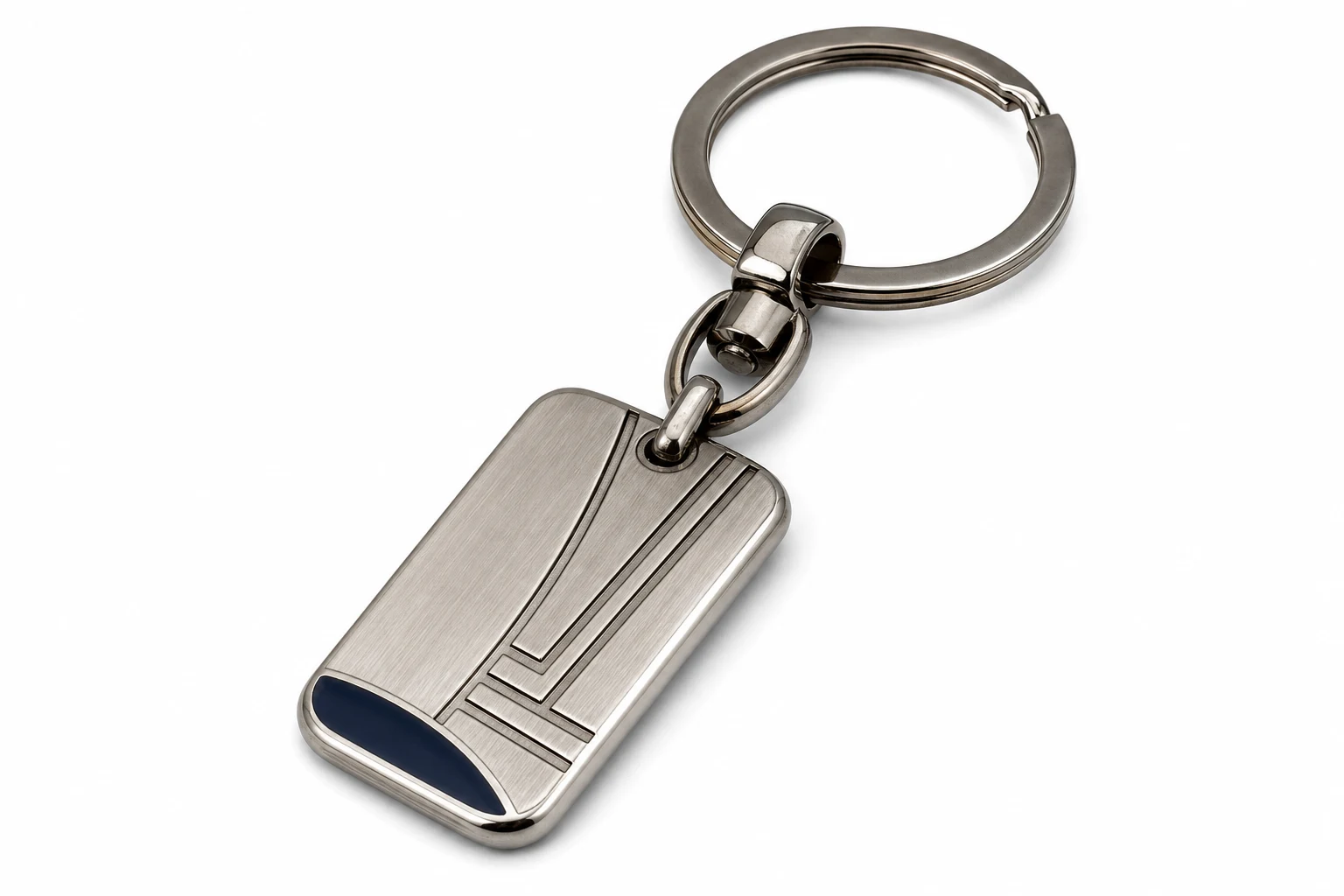
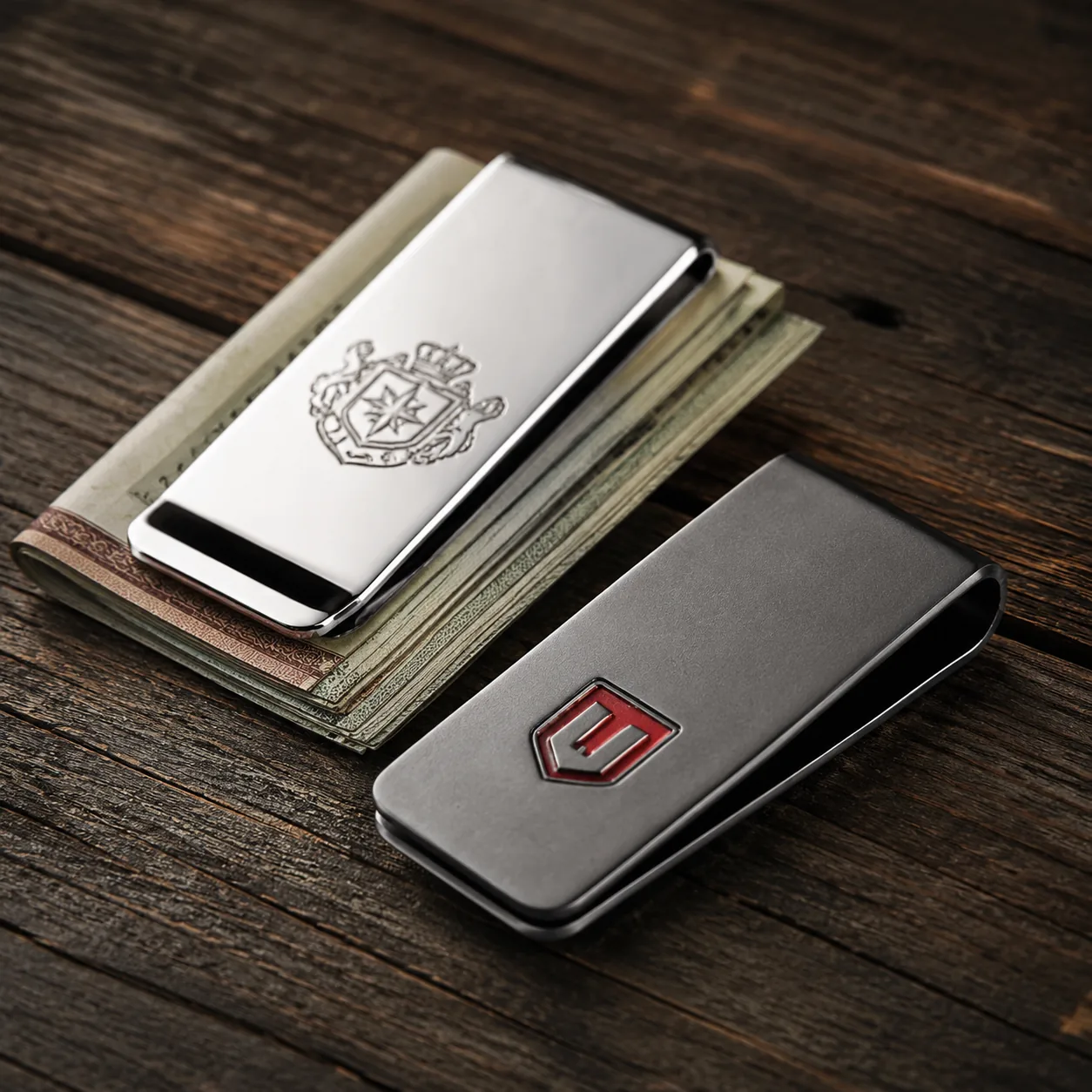
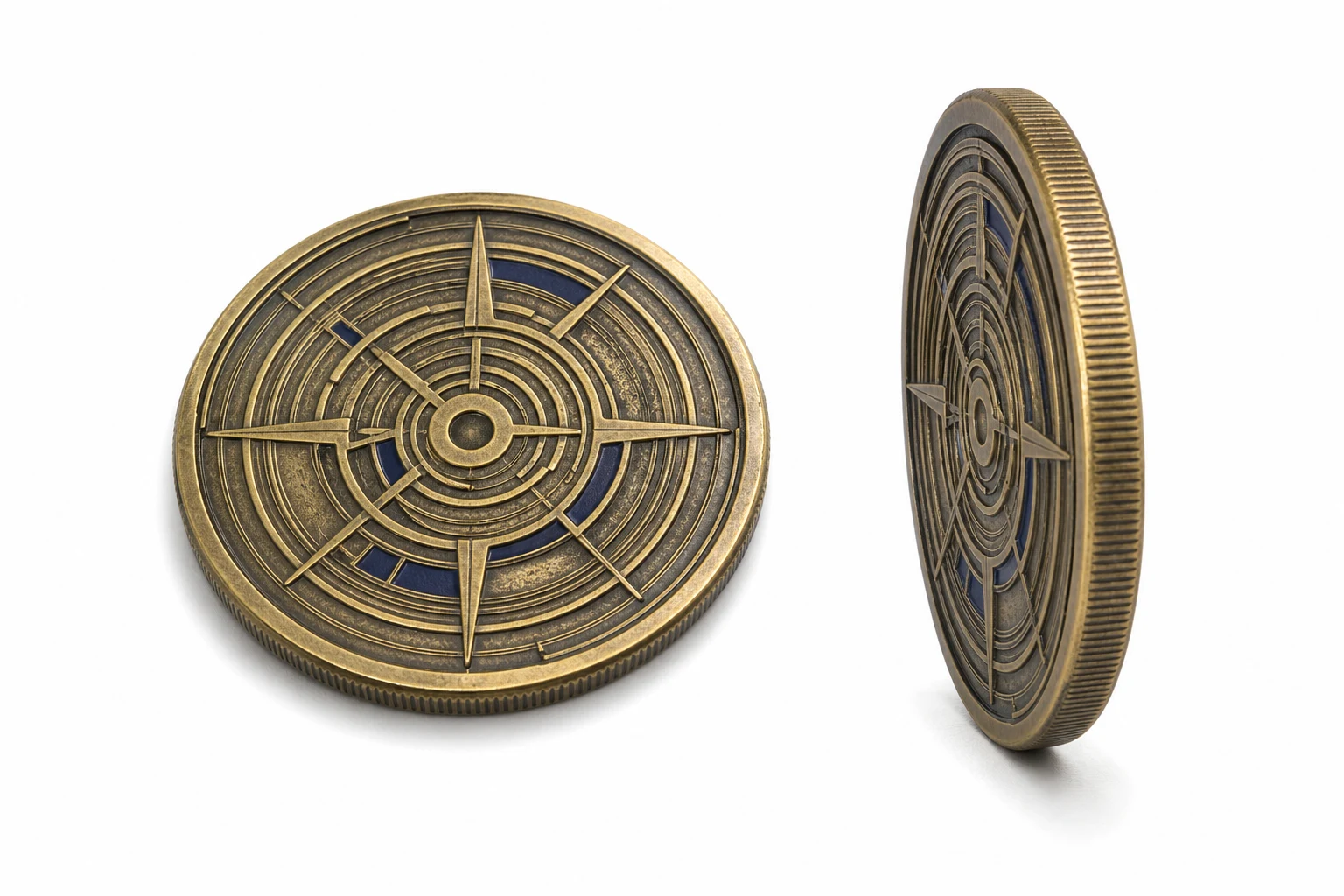
The custom keychain category includes zinc alloy, brass, copper, stainless steel, clear acrylic, soft PVC, embossed leather, and bamboo. These options provide different visual and tactile results, but the material list alone does not prove bottle-opening performance. The RFQ must identify the functional opener component separately from the decorative body, split ring, clasp, chain, enamel, printing, or plating.
Do not approve a bulk order from a rendering alone. A free 3D mock-up can help compare appearance across materials, but it cannot demonstrate opening force, edge condition, plating wear, or fatigue. A physical sample is the evidence-bearing unit. Sample fees are stated as $30-$50 per material variant, so buyers should limit variants to constructions that can realistically meet both the campaign brief and the functional test.
Lock the Sample Construction Before Testing
The test sample must represent the proposed production construction. Record its dimensions, material, finish, decoration, hardware, and packaging before testing. Custom keychains are typically 30 mm to 80 mm, but the buyer should specify the exact overall size and the dimensions of the opener contact area. Otherwise, a later change presented as a minor styling adjustment could alter leverage or cap engagement.
- Identify the material of the functional opener component, not only the general keychain material family.
- Record the finished dimensions and the geometry that contacts the intended bottle closure.
- Define the intended bottle and closure type, including relevant size, shape, and supplier or lot details where available.
- Name the hardware: default split ring, lobster clasp, swivel clip, beaded chain, or ball chain.
- Define the plating, enamel, engraving, print, epoxy dome, sublimation, embroidery, or 3D molded decoration being evaluated.
- Record the default poly-bag and hangtag packaging or the selected velvet pouch or gift box.
Any change to opener geometry, functional material, thickness, attachment construction, or finish should trigger a new functional review. Artwork changes limited to a non-load-bearing printed area may not affect function, but that distinction should be written into the approval record rather than assumed.
Use a Five-Part Functional Test
The supplied category facts do not state a steel grade, hardness value, opening-force limit, fatigue-cycle requirement, or applicable test standard. Procurement teams should therefore define the test method and acceptance criteria for their program and confirm them with the supplier. The approved sample can serve as a comparison reference, but subjective instructions such as "opens easily" or "feels strong" are not sufficient for bulk inspection.
| Test area | Evidence to collect | Approval decision |
|---|---|---|
| Material and hardness | Supplier declaration for the opener component, plus the hardness test method and result when hardness is part of the buyer's material specification. | Approve only when the tested component matches the specified material and any documented hardness criterion. |
| Opening force | Force readings or a controlled comparison using the same defined bottle-and-closure specification, bottle support, orientation, and operating direction for every sample. | Approve only when results stay within the buyer's agreed range and the opener does not slip, permanently deform, or fail to remove the intended closure. |
| Edge safety | Visual and controlled tactile inspection of outer edges, cap-contact points, cutouts, and the hardware connection before and after use. | Reject burrs, unintended sharp projections, loose fragments, or damage that creates a new exposed edge. |
| Plating condition | Before-and-after images and observations of color, coverage, flaking, peeling, or visible wear around contact and gripping areas. | Approve against the signed finish sample and the buyer's defined allowance for wear after the agreed test. |
| Fatigue | Results from repeated opening and hardware movement through an agreed cycle count, including deformation, loosening, cracking, and loss of function. | Approve only when the opener and attachment hardware remain usable and meet the written post-test condition. |
Opening force should be measured under repeatable conditions. Use the same defined closure specification, bottle support, pull direction, and point of force application. Use fresh sealed bottles or closures for opening trials so prior opening does not alter the test condition. If a force gauge is used, record the peak result for each attempt rather than reporting only an average. If no instrument is available, use a signed physical reference sample and a controlled comparison procedure, while recognizing that this produces weaker evidence.
Hardness evidence can support material verification, but it does not replace testing the finished opener assembly. Component geometry, thickness, finish, and the connection to the keychain can affect actual performance. The supplier should confirm whether the selected opener component and construction can be tested to the buyer's written method before the sample is released.
Keep Styling Separate From the Load Path
Material choice drives much of the category cost and aesthetic. Metal is positioned as heavy and premium, acrylic as light and modern, PVC as colorful and playful, and leather as classic and durable. Those descriptions help select the promotional direction, but they do not establish which component carries the opening load. A custom bottle opener keychain may combine a functional metal section with a decorative material, so the construction must be explicit.
| Material family | Supported buying consideration | Functional question to resolve |
|---|---|---|
| Zinc alloy, brass, copper, or stainless steel | Available metal options; metal provides a heavier, more premium presentation. | Which metal forms the opener, what material evidence applies, and does the finished geometry pass the opening and fatigue tests? |
| Clear acrylic | Light, modern appearance with printing, epoxy dome, or other suitable decoration options. | Is acrylic decorative, structural, or combined with a separate opener component, and has the complete assembly been tested? |
| Soft PVC | Colorful, playful molded presentation with a 300-piece injection-molded MOQ. | How is the functional opener integrated, and does that complete construction match the tested sample? |
| Embossed leather or bamboo | Available alternatives for a distinct tactile or natural presentation. | Where is the load-bearing opener located, and can the attachment withstand the agreed fatigue test? |
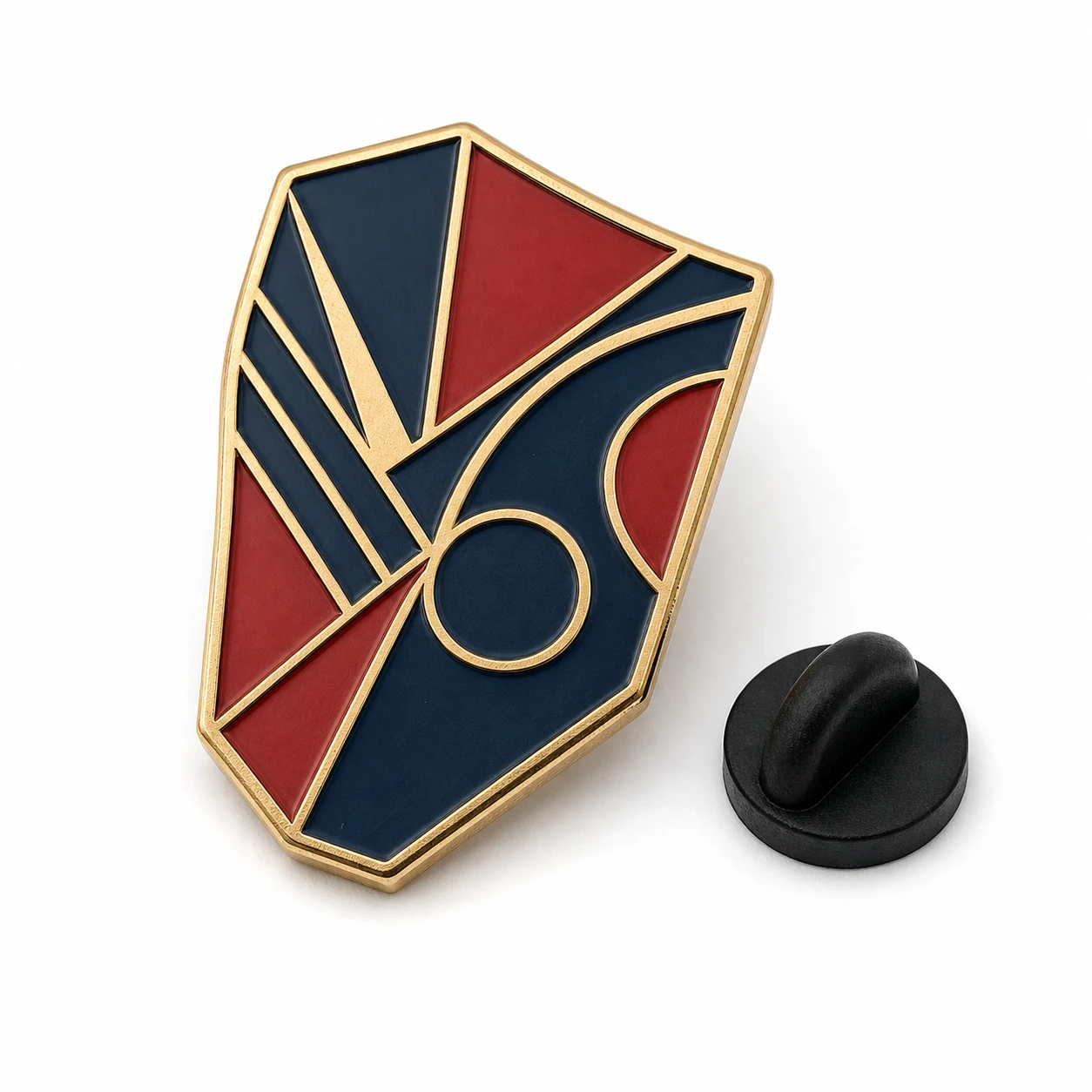
Finish selection also needs functional review. Engraving, enamel, printing, epoxy domes, sublimation, embroidery, and 3D molding affect different areas of the product. Keep decoration clear of critical cap-contact surfaces unless the tested construction specifically includes it. Matched-plating hardware, such as a gold pendant with a gold ring, is available at no extra cost, but both the opener finish and matching hardware still need inspection after cycling.
Create an Approval Record That Bulk QC Can Use
The approval package should convert the bottle opener keychain functional test into repeatable inspection instructions. The signed sample remains important, but it should be supported by measurements, photographs, test conditions, and clear defect decisions. This allows an inspector to distinguish a cosmetic variation from a functional failure.
- Assign an identification code to the physical approval sample and retain it for production comparison.
- Record material, dimensions, finish, decoration, hardware, and packaging in one specification.
- List the intended bottle and closure specification used during the opening test.
- State the opening-force method, number of test units, and buyer-defined acceptance range.
- Document the agreed cycle count and post-test checks for fatigue and plating wear.
- Photograph contact edges, plating, and attachment hardware before and after testing.
- Define which findings require rejection, rework, or buyer review.
- Require retesting after changes to material, geometry, thickness, plating, or attachment construction.
Bulk inspection should reproduce the approval method on selected production units rather than relying only on visual comparison. The sampling quantity, test-unit selection, and acceptance limits must be agreed by the buyer because no bulk sampling standard or defect tolerance is included in the supplied product facts. Preserve the tested units, records, and photographs with the shipment record.
Allow Time and Budget for Retesting
The category lead time is 10-25 days depending on material and finish. That range should not be treated as an automatic allowance for sample revision, retesting, or buyer approval. Build those activities into the schedule before confirming an event date. Starting production while functional questions remain open transfers the risk to the entire bulk quantity.
| Commercial variable | Supplied fact | Procurement implication |
|---|---|---|
| MOQ | 100 pieces for metal or acrylic; 300 pieces for injection-molded PVC. | Choose the construction before ordering samples so a later material change does not alter the minimum quantity. |
| Category price | $0.15-$2.80 per piece FOB. | Use this only as a category range; request a quote for the tested opener construction, size, finish, and packaging. |
| Lead time | 10-25 days depending on material and finish. | Add separate approval time for physical testing and any required retest. |
| Hardware | Hardware is included in the quoted price; split ring is the default. | Name the exact ring, clasp, or chain in the approval record and include it in fatigue testing. |
| Packaging | Poly-bag and hangtag are standard; velvet pouch and gift box are optional. | Test the final packaging fit and confirm that transport contact does not damage the approved finish. |
A lower unit price is not a saving if the quoted construction differs from the tested sample. Compare suppliers and revisions on the same material, dimensions, decoration, hardware, plating, packaging, and test requirements. When one of those inputs changes, request a revised quote and decide with the supplier whether a new sample is necessary.
Release Production With a Function-First Checklist
Bulk approval should be a controlled release, not an email stating that the artwork looks correct. Confirm that the physical sample has passed every functional check and that the production specification points back to the same sample.
- Functional opener material and dimensions are identified.
- Hardness evidence is documented where required by the buyer's material specification.
- Opening performance has been checked using the agreed bottle-and-closure specification.
- Edges and cap-contact surfaces pass the written safety inspection.
- Plating and decoration remain acceptable after the agreed opening cycles.
- The opener body and selected hardware pass the fatigue procedure.
- The physical sample, finish reference, packaging, and test record are signed.
- Bulk inspection instructions reproduce the same functional checks.
The actionable next step is to issue a one-page test brief before requesting final styling. Attach the proposed size, material, hardware, finish, representative bottle-and-closure specification, opening-force method, edge criteria, plating review, fatigue procedure, and packaging choice to the custom bottle opener keychain RFQ. Submit that evidence package with the product request at /products/custom-keychains.html, then authorize the bulk run only after the physical sample passes and the test record is signed.
Ready to get this made?
Send your sketch, target quantity and ship-date. Detailed quotation in 12 hours.