When a Pin Spec Fails Drop Test: The 48-Hour Respec Playbook
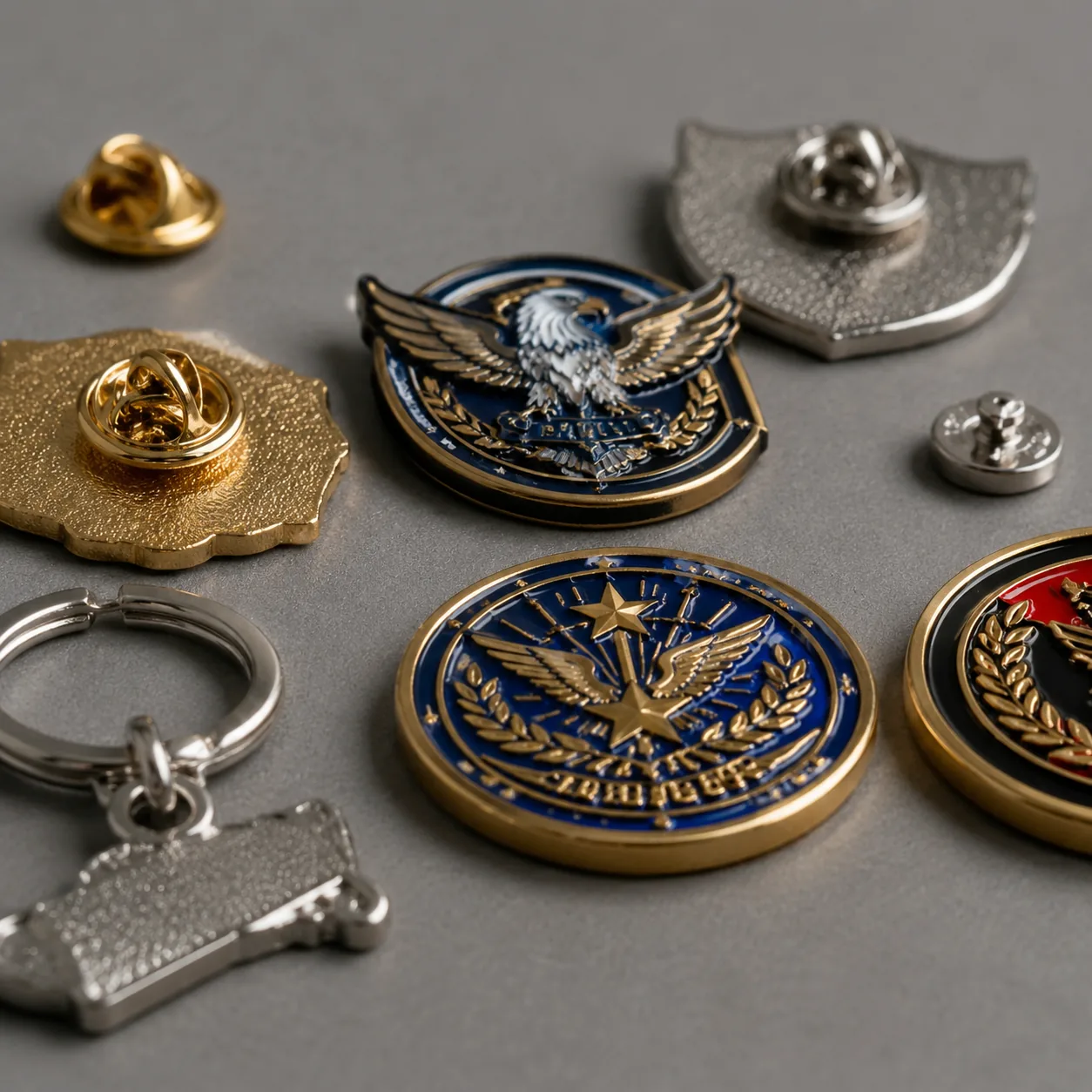
Why drop-test failures appear at the last possible moment
The usual sequence is familiar: the pre-production sample is approved on appearance, plating tone, and color fill; production is booked; then a simple handling or drop test exposes a structural weakness 24 to 48 hours before line start. A 38 mm irregular pin loses its butterfly clutch after a 1.0 m drop onto ceramic tile, a rear post bends 5 to 10 degrees, or a narrow enamel point chips when the pin lands on an edge. Those are not random factory mistakes. They usually come from a spec that defined cosmetics but left mechanical performance open.
Pins fail late because most approvals are still visual approvals. AQL visual inspection can catch scratches, plating burns, underfilled enamel, dirt in epoxy, or color mismatch. It cannot tell you whether a 12 g off-balance pin with one 1.0 mm post and a standard butterfly clutch will survive courier vibration, polybag impact, event distribution, or e-commerce fulfillment. If the drawing does not define thickness, post count, post spacing, minimum neck width, and packout, the factory can technically meet the art spec while still building a marginal product.
The useful point is that a late-stage save usually does not require starting over. If the artwork is basically stable and the die already exists, factories can often revise finished thickness, post layout, clutch type, vulnerable-point geometry, epoxy use, and inner packing inside 24 to 48 hours. Recovery depends on whether the buyer converts the failure into measurable instructions. 'Improve quality' does nothing. 'Increase finished thickness to 1.5 mm +/-0.1 mm, add second post, move top post 4 mm inward, and widen the top point to minimum 2.8 mm' gives production, tooling, and QC something they can execute and verify.
Rebuild the real as-made spec before suggesting a fix
Do not start from the complaint. Start from the actual build that failed. A common baseline is: 3,000 pieces, 38 mm irregular soft enamel pin, stamped iron, bright gold plating, one rear post with standard butterfly clutch, finished thickness 1.2 mm, no epoxy, each piece loose in an individual polybag. At that volume, a straightforward export price is often around USD 0.44 to 0.60 FOB each, with tooling in the USD 80 to 120 FOB range for a moderate outline with 4 to 6 enamel colors.
Commercially that spec is efficient, but it is lean for a tall, asymmetric, or top-heavy shape. A 38 mm pin with a narrow neck, one post, and a 1.2 mm body has limited resistance to torque. If the narrowest unsupported metal section is only 1.8 to 2.2 mm, an edge impact can deform the metal slightly and chip the enamel wall at the same point. If the single post is placed near the visual center instead of the center of mass, the pin rotates on fabric, loading both the post and clutch harder during normal handling.
Before anyone proposes epoxy, stronger solder, or a locking back, ask the factory for the actual measured values from the failed sample. You want finished thickness, total unit weight, post diameter, post length, post pad diameter, distance from post center to nearest edge, narrowest unsupported outer section, and the attachment method used for the post. On stamped iron pins, post diameter is commonly 0.9 to 1.2 mm; on irregular 35 to 45 mm pieces weighing above roughly 10 g, the low end of that range combined with a 1.2 mm body is where many failures begin. Also ask whether the failed sample was packed loose in a bag, carded, or in final retail packaging, because packout can be the difference between passing and failing.
First two hours: isolate the failure mode, not the blame
The first two hours should be triage. A detached butterfly clutch points to one of four issues: excessive load through a single post, shallow clutch engagement, poor clutch fit to the post diameter, or impact from the clutch against another pin during transit. A bent post usually means the body is too thin, the post sits too close to a weak edge, the post diameter is too small, or the solder pad is undersized. Enamel loss at a tip usually means the geometry is too acute or the metal support under the enamel is too narrow.
Ask for close-up photos of the back side, especially the post base and solder coverage, and for measured dimensions from both a failed unit and a passing unit if available. Confirm the exact test condition in writing: drop height, landing surface, orientation if known, number of drops, and whether the pin was tested loose, polybagged, mounted on a backing card, or in final pack. A pin can pass as a loose sample on a bench and still fail after shipping because the clutch or post repeatedly strikes another pin inside the bag.
- Lock the test method immediately: for example, 1.0 m drop onto ceramic tile or sealed concrete, 3 drops per sample, packed as shipped.
- Request measured values, not quote-sheet values: finished thickness, weight in grams, post diameter, post length, post pad diameter, and distance from post center to edge.
- Measure the narrowest unsupported section. Under 2.5 mm on a soft-enamel perimeter is a known risk area; under 2.0 mm should be corrected unless the shape is very small and low-mass.
- Check post placement against the actual center of mass, not the visual centerline of the artwork.
- Review packing at the same time as structure. Loose metal-to-metal contact in polybags is a routine source of scratches, clutch marks, and edge chipping.
- Freeze all non-failing art features so the factory can revise mechanics without reopening the entire approval cycle.
This step prevents bad fixes. Epoxy does not solve a post positioned 2 mm from a weak edge. A locking back does not solve an anti-rotation problem on a tall pin with one post. 'Use stronger solder' does not solve a thin body carrying impact through a single load point.
The three spec changes that solve most failures
In the 30 to 45 mm soft-enamel range, three changes solve most drop-test failures without changing the front artwork and often without remaking the full die. First, increase body thickness. For stamped iron, move from 1.2 mm to 1.5 mm finished thickness with a realistic tolerance of +/-0.1 mm. If the shape is long, narrow, or above about 12 g, some buyers go to 1.8 mm, but 1.5 mm is the normal first correction because it improves stiffness without pushing cost or weight too far. On zinc alloy cast pieces, a practical equivalent body is usually about 2.0 to 2.2 mm finished because the process and geometry differ.
Second, move from one rear post to two posts with maximum practical spacing. For a 38 mm irregular pin, posts are commonly 8 to 10 mm long with a tolerance of +/-0.5 mm and 1.0 to 1.2 mm diameter. Specify that no post center is closer than 3.0 mm to the perimeter, and that the upper post must sit at least 4.0 mm inward from any fragile tip. Two posts are less about prestige than torque control; on off-balance shapes they reduce rotation, lower clutch stress, and improve drop performance immediately.
Third, blunt or widen vulnerable points. As a rule, keep unsupported perimeter sections on soft enamel at 2.8 to 3.0 mm minimum if they are exposed to edge impact. Acute decorative points that reduce to 1.8 to 2.2 mm look acceptable in artwork and fail in shipping. A very small die correction to widen a point or soften an angle often prevents enamel breakout with little or no visible change from the front.
| Failure observed | Likely root cause | Respec that usually works | Typical FOB impact at 3,000 pcs | Lead-time impact |
|---|---|---|---|---|
| Butterfly clutch detaches after drop | Single-post load concentration, shallow clutch engagement, loose clutch-to-post fit, or bag impact | Add second post; specify 1.0-1.2 mm post diameter, 8-10 mm post length, and qualified clutch fit | USD 0.02-0.06 each | +0 to 1 day |
| Post bends after impact | 1.2 mm body too thin, post too near edge, or small post pad/solder area | Increase to 1.5 mm finished thickness; move post 3-5 mm inward; verify post pad and attachment quality | USD 0.03-0.08 each | +1 to 2 days |
| Enamel chips at narrow point | Unsupported section too thin or outer angle too acute | Widen weak point to minimum 2.8 mm and maintain metal support under enamel | Negligible to USD 0.03 each | +1 to 2 days |
| Pin rotates on garment | One-post layout on tall, wide, or off-center silhouette | Use two-post anti-rotation layout with maximum practical spacing | USD 0.02-0.05 each | +0 to 1 day |
| Face scratches after transit | Loose packing allows clutch and edge contact | Mount on backing card and bag individually, or use foam/tray slot packout | USD 0.03-0.12 each | +0 to 1 day |
At 3,000 pieces, these changes are usually manageable. Increasing stamped iron thickness from 1.2 mm to 1.5 mm often adds about USD 0.03 to 0.06 FOB each. Adding a second post and clutch usually adds USD 0.02 to 0.05 each. A minor die adjustment to widen a point may cost nothing on unit price if the existing tool can be modified, though a factory may quote USD 20 to 50 FOB for a tooling correction. If artwork remains effectively unchanged, the lead-time impact is often only 0 to 2 calendar days.
Hardware and geometry: what actually improves retention
Hardware helps only when the body design is already stable. For light pins under 30 mm and under roughly 8 g, one standard butterfly clutch may still be acceptable for low-risk promotional use. Once the pin moves into the 35 to 45 mm range, especially with an irregular outline or total weight above 10 to 12 g, two posts should be treated as the default if the item is expected to survive shipping and repeated wear.
Standard metal butterfly clutches remain common because they are inexpensive and familiar. Rubber clutches reduce scratching and are often preferred in school programs, employee kits, or direct-mail packs, but retention varies with compound hardness and mold quality. Deluxe locking backs can improve retention, but they usually add about USD 0.10 to 0.25 each and are often excessive for a giveaway pin. Magnetic backs avoid piercing fabric but are not a reliable answer for heavier custom pins and may introduce separate safety and packout concerns.
Geometry usually matters more than hardware. A usable rear-layout note for a 38 mm irregular pin might read: two posts, each 8.0 mm +/-0.5 mm long and 1.0 to 1.2 mm diameter; lower post centered about 7.0 mm above the bottom edge; upper post offset to counterbalance the top mass and positioned minimum 4.0 mm inward from any weak tip; no post center closer than 3.0 mm to the outer edge. That is inspectable. 'Secure backing required' is not.
Epoxy is a secondary protection layer, not a structural repair. A typical epoxy dome in this category is about 0.3 to 0.5 mm thick. It can reduce surface scratching, seal soft-enamel recesses, and slightly protect edge detail in high-contact packing, but it will not correct poor post placement, a body that is too thin, or a weak acute point. It also changes the appearance from exposed textured enamel to a glossier sealed surface and can soften fine line detail.
Reset QC so the next sample proves function, not just appearance
Once the respec is agreed, the QC plan must change with it. The next approval sample cannot be appearance-only if the first one failed mechanically. For this class of pin, the revised sample package should include dimensional checks on overall size, finished thickness, unit weight, post location, post verticality, and packout, plus a functional handling test using the same packing condition that will ship to the customer.
Reasonable factory tolerances are straightforward and should be written into the approval note. Finished thickness on a stamped pin: +/-0.1 mm. Overall size: +/-0.25 mm on regular dimensions, or +/-0.5 mm on complex irregular outer points. Post length: +/-0.5 mm. Post position relative to the approved back drawing: +/-0.5 mm. Post verticality: no visible lean under normal inspection, or define maximum deviation at 5 degrees. Soft enamel underfill should generally not exceed 0.10 to 0.15 mm below the metal line in approved recessed areas. Burrs should not catch a fingertip in routine handling.
For inspection level, AQL 2.5 for major defects and AQL 4.0 for minor cosmetic defects is a practical baseline. Functional checks should sit outside the cosmetic count because a mechanically failed pin is not a minor visual issue. A pass standard might include: no detached post, no clutch release during the agreed drop test, no exposed base metal on the front face, no visible plating voids at 30 cm under normal light, and no visible enamel chipping after the test. For decorative bright gold, nickel, black nickel, or imitation gold finishes, the buyer should focus on appearance consistency and adhesion. Plating micron claims on custom pins are often overstated because these are usually decorative flash finishes, not heavy engineered coatings.
If the factory provides plating data, ask practical questions: is coverage uniform, is adhesion acceptable after post attachment and finishing, and does the tone match the approved sample? Typical decorative nickel or gold-tone layers in this market may be well under 0.1 micron on the top flash, so micron figures alone rarely explain a drop failure. A pin with perfect plating and a bent post is still a failed pin.
MOQ, FOB, and lead-time trade-offs under deadline
Emergency respec decisions are easier when the cost is framed by volume. On a 3,000-piece order, a durability correction that adds USD 0.07 each increases total FOB by USD 210. That is usually minor compared with repacking, delayed launch dates, replacement freight, marketplace chargebacks, or distributor complaints. At lower MOQs the same change looks more expensive because hardware and handling labor are spread over fewer units.
For a 38 mm irregular soft enamel pin with a 1.5 mm stamped iron body, two posts, and standard export packing, a practical FOB view is roughly: 300 pieces at USD 1.10 to 1.55 each; 500 pieces at USD 0.82 to 1.10; 1,000 pieces at USD 0.62 to 0.84; 3,000 pieces at USD 0.49 to 0.68; and 5,000 pieces at USD 0.43 to 0.60. Tooling is commonly USD 80 to 150 FOB depending on outline complexity, cutouts, and color count. Zinc alloy casting, epoxy, locking backs, custom back cards, barcode labels, or retail-ready inserts push those ranges upward.
Lead time should be broken into three separate decisions. First, can the existing die be modified, or does it need a remake? Second, can the hardware change be implemented from stock without moving the production slot? Third, will packing changes alter backing-card printing, foam cavity size, carton count, or master carton dimensions already approved in the project? A simple structural correction often adds 1 to 3 calendar days. A correction that also touches printed inserts or exact-fit retail packaging can add 3 to 7 days because it affects more than the metal part.
What a usable revised spec actually looks like
A workable revised specification should read like a production instruction. Example: 38 mm irregular soft enamel pin, stamped iron, finished body thickness 1.5 mm +/-0.1 mm, bright gold finish, two rear posts 8.0 mm +/-0.5 mm long, post diameter 1.0 to 1.2 mm, posts positioned per approved anti-rotation back drawing, no post center closer than 3.0 mm to outer edge, top vulnerable section widened to minimum 2.8 mm, no epoxy unless separately approved, each pin mounted on backing card and packed in individual polybag. Artwork unchanged except for structural widening at the top point.
The QC note should be equally concrete. Example: submit 5 revised approval samples; each sample must pass 3 drops from 1.0 m onto ceramic tile or sealed concrete while packed as shipped; no detached post, no clutch release, no visible enamel chipping at 30 cm viewing distance, and no post bend greater than 3 degrees from original vertical. Inspection standard AQL 2.5 major and AQL 4.0 minor for cosmetics, plus special-function checks for hardware retention, post straightness, and packing integrity. No enamel underfill deeper than 0.15 mm below metal line, no burrs that catch a fingertip, and no exposed base metal on the front face.
That is what separates a fast rescue from a repeated failure. The revised spec converts a vague complaint into dimensions, tolerances, hardware definitions, packing instructions, and pass criteria that sourcing, tooling, production, and QC can all measure the same way. It also creates a stable reorder baseline, which matters because many pin problems return on the second run when the first fix lived only in email rather than in the approved product specification.
Have a project? Send your artwork and target quantity and we’ll reply with a detailed quotation within 12 working hours.
Ready to get this made?
Send your sketch, target quantity and ship-date. Detailed quotation in 12 hours.



