When a Campaign Needs One Item That Feels Premium
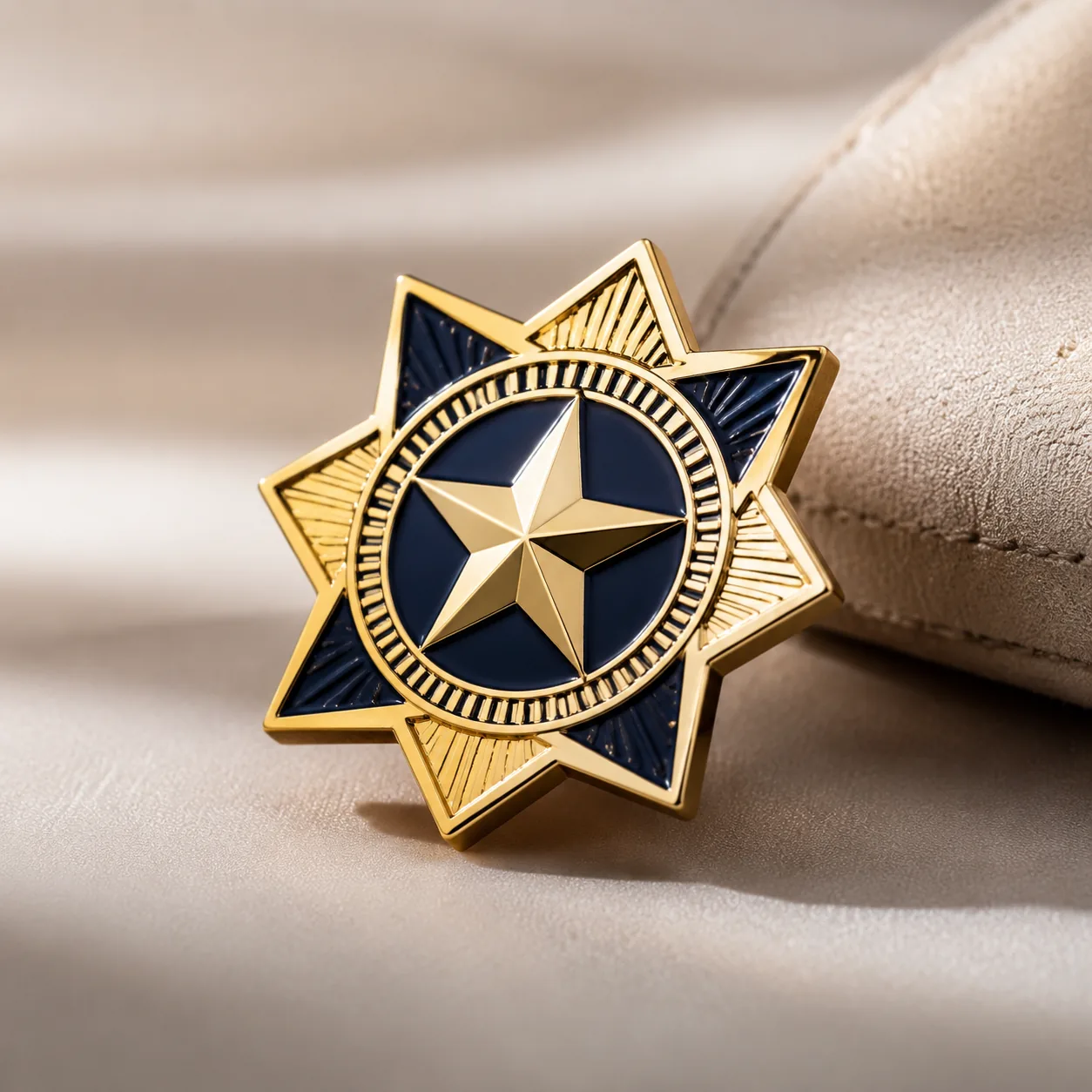
The brief starts with one hard constraint
Marketing teams rarely ask for a manufacturing process. They ask for an outcome: make the giveaway feel premium, survive transit, and arrive before the event. That sounds simple until one item has to satisfy brand, budget, packaging, and production constraints at the same time. Many orders fail because the first quote prices the object, not the risk.
The cleanest way to handle this order type is to start with use case, not decoration. Is the item handed out at a conference booth, mailed to VIPs, or packed into a retail-style gift box? Those answers determine size, weight, attachment strength, finish durability, and packing method before artwork is discussed. For a vertically integrated factory like ZheCraft, that early narrowing reduces sample loops and prevents rework that would otherwise show up after approval.
A premium feel usually comes from controlled details: a crisp edge, stable color, clean plating, and packaging that holds the piece without movement. It does not come from adding every available effect. The best spec is usually the simplest one that still carries the brand with authority.
A realistic buyer scenario: one item, three audiences
Imagine a brand team launching a new product and wanting one premium metal giveaway that works for executives, distributors, and event visitors. The deadline is fixed, the visual identity must stay consistent, and the same artwork may later be reused for badges, coins, or pins. That means the product has to be simple enough to scale, but finished enough to feel intentional.
In this scenario, the right starting point is not the fanciest process. Start with the highest-risk variables: attachment security, logo legibility, plating durability, and packaging format. If the item is worn on clothing, carried in a pocket, or shipped in bulk, the design envelope changes immediately. A premium piece that bends, scratches, or arrives loose in the box is not premium at all.
A typical executive-gift version might use a 2.0 mm base metal thickness, a 25 to 35 mm profile, and a finished weight of 10 to 15 g for a small badge or pin. A mailer-friendly version may need to stay below 20 g and fit within a 90 x 90 mm carton insert so freight damage stays low. The same artwork can often be adapted across both, but the structure should not be identical. If the campaign includes a coin-style gift, a 38 to 45 mm diameter and 3.0 to 4.0 mm thickness is common for a substantial hand feel without making packing inefficient.
Define what the item must survive
Before choosing materials, define the failure mode you want to eliminate. Will the item scratch in transit, bend in a bag, discolor under handling, or arrive with mismatched colors? A brochure may tolerate those issues; a premium promo item cannot. This is why buyers should specify the environment first and the finish second.
For most premium promo items, the practical spec targets are straightforward. Flat metal items commonly use 1.2 to 1.8 mm brass, iron, or zinc alloy; heavier presentation pieces often use 2.0 to 3.0 mm. A good dimensional tolerance is ±0.2 mm for flat outline features and ±0.3 mm for thicker cast parts, with hole position held to ±0.15 mm where attachment matters. If the piece includes a pin post or clasp, buyers should ask for pull-force confirmation, typically 3 to 5 kgf for a standard butterfly clutch and higher for magnetic or deluxe backing systems.
Plating needs the same precision. Decorative nickel, gold, black nickel, or antique brass often refers to a visible top appearance layer, while the corrosion-protection system beneath may be different. In promotional manufacturing, visible decorative top layers are often thin, sometimes around 0.03 to 0.08 μm in appearance-driven work, while the functional underlayer may be significantly heavier. If the supplier cannot distinguish appearance coating from functional plating in the quote, the buyer is comparing incomplete numbers. Ask for the exact finish stack, not just the color name.
Color should be treated the same way. For enamel or print fills, the target should be a Pantone reference under D65 or equivalent controlled lighting, with an agreed visual tolerance rather than a promise of perfect absolute matching across every batch. If the brand is strict, require a signed physical master sample and mass production to that sample, not only to the digital artwork. For repeat orders, keep that signed sample on file and reference the same lot code, so the factory is not guessing at a prior approval standard.
Choose a build that matches the story
Different constructions send different signals. A stamped metal item feels formal and durable, a soft enamel item feels tactile and collectible, and a coin-style piece feels ceremonial. If the goal is executive gifting, a clean profile, restrained texture, and enough weight to feel substantial in hand usually work best. If the goal is event traffic, a lighter and simpler structure is better because it lowers cost and increases throughput.
The trade-off is price versus perception. A deeply sculpted 3D relief raises tooling complexity and can add 10 to 20 days to development, especially if the model needs undercuts or multiple die passes. A flatter build with crisp edges samples faster, ships more predictably, and often quotes lower. For repeat programs, choose the simplest structure that still carries the brand. Complex structures are justified when the item itself is the message; otherwise they consume budget on features users never notice.
A useful rule is to match finish density to audience density. High-touch VIP items can support heavier plating, more polishing, and individual packaging. High-volume handouts should prioritize abrasion resistance, clean logo readability, and packing efficiency. If the item must travel through fulfillment centers, avoid fragile protrusions and keep the silhouette compact. For mail programs, a 2D or low-relief build often survives better than a sculpted one even when the unit price is slightly lower or similar.
Spec comparison for a premium giveaway order
| Option | Typical use case | Typical FOB price (USD) | MOQ / lead time | Key buyer risk |
|---|---|---|---|---|
| Soft enamel metal item | Event handout with strong color impact | 0.80 to 1.80 at 500 to 1,000 pcs; 0.55 to 1.20 at 5,000+ pcs | MOQ 300 to 500 pcs; 15 to 25 days after artwork approval | Color fill height, edge sharpness, and surface scuffing must be controlled |
| Hard enamel metal item | Executive gift or long-life keepsake | 1.80 to 4.50 at 500 to 1,000 pcs; 1.40 to 3.20 at 3,000+ pcs | MOQ 300 to 500 pcs; 20 to 30 days after artwork approval | Higher unit cost and longer polishing time |
| Die-struck no-color metal item | Minimalist premium branding | 1.20 to 3.00 at 500 to 1,000 pcs; 0.90 to 2.20 at 5,000+ pcs | MOQ 100 to 300 pcs; 12 to 20 days after artwork approval | Surface defects, plating scratches, and burrs are easier to see |
| Coin-style presentation piece | Ceremonial launch or VIP set | 2.50 to 8.00 at 300 to 1,000 pcs; 1.80 to 5.50 at 3,000+ pcs | MOQ 200 to 500 pcs; 20 to 40 days after artwork approval | Thickness, edge quality, and polish consistency matter more than print |
This comparison forces an actual trade decision. If the item needs to be mailed, a thinner flat design usually survives logistics better than a heavy relief piece. If the item will be displayed, a more substantial profile can justify the added cost. A good buyer chooses based on channel, not taste alone.
For reference, OEM pricing for simple metal promo pieces often lands around USD 0.60 to 1.20 FOB for 5,000+ pcs on basic flat builds, USD 1.20 to 2.50 for mid-tier presentation builds at 1,000 to 3,000 pcs, and USD 2.50 to 6.00 or more for elaborate structures, custom cutouts, or packaging-heavy sets. Tooling for a new die or mold often adds USD 80 to 300 for simple stampings and USD 150 to 600 or more for complex cast parts, depending on size and relief. Setup charges may also appear for color matching, secondary polishing, or special inserts. If the quote does not separate tooling, sampling, unit price, and packing, total landed cost is hard to evaluate.
Packaging is part of the product
Premium buyers often treat packaging as an afterthought, but it affects damage rate, perceived value, and replenishment cost. A flimsy backing card or oversized carton can make a good item look cheap on arrival. If the item is for direct presentation, the insert should hold it without movement; if it is for mail fulfillment, the pack must survive drop handling. In practice, many claims come from packing failures, not from the item itself.
The right question is not whether packaging is nice; it is whether the packaging protects the spec you already paid for. For small premium items, backing cards, rigid boxes, velvet trays, and polybag-plus-inner-box structures each solve different problems. A simple card may be enough for a booth giveaway, but it is rarely enough for VIP gifting. For orders that will be stored, handled by a third-party fulfillment center, or resold, ask the factory to confirm carton compression, inner-pack count, and transit protection before production starts.
Practical packaging specs help avoid ambiguity. A rigid gift box often uses 1.5 to 2.0 mm greyboard with a 157 to 200 gsm art paper wrap. A velvet tray insert may need a die-cut cavity with ±1.0 mm fit allowance so the item does not rattle, and foam inserts are often cut to within ±0.5 mm on key dimensions. For shipping cartons, specify double-wall board for export shipments when weight or stacking pressure is a concern. If the item is lightweight but highly visible, the packing format may be worth more to the buyer than an extra plating step.
For mail programs, ask for carton compression and transit testing rather than relying on a visual packing photo. A simple drop sequence of 80 cm on corners and edges catches a lot of packaging problems before they become claim rates. If the item is going to a retailer or an executive office, the box needs to open cleanly, sit flat, and protect the product from rubbing against the lid or base.
Lock the specs before production starts
- Confirm exact dimensions, thickness, and allowable tolerance for the item; write them into the purchase order.
- Approve one primary finish and one backup finish if the campaign cannot slip on supply risk.
- State the artwork color system, then freeze the master sample before mass production.
- Define packaging type, insert fit, and carton count before sampling begins.
- Ask for a pre-production sample or signed golden sample when the order is time-sensitive.
- Verify inspection standard, ideally AQL 2.5 for major defects and 4.0 for minor defects, unless the product is highly cosmetic.
- Confirm whether tooling is buyer-owned and whether repeat orders reuse the same mold or die.
This checklist matters because most production disputes start with an assumption that was never written down. A buyer may think they ordered a premium presentation piece, while the factory thinks it is a standard promotional item with upgraded packing. The fix is not more emails; it is tighter specification. ZheCraft usually prefers to lock the sample standard early, then use that sample as the physical reference for mass production and reorders.
Inspection should be matched to the product’s visibility. For no-color metal items, scratches, plating pinholes, and edge burrs are the main concerns. For enamel-filled pieces, color bleed, voids, and underfill become more important. AQL 2.5 is a common baseline for major defects, but buyers shipping to retailers or senior stakeholders sometimes request tighter cosmetic limits and a documented acceptance sample with photo references. For small premium items, buyers should also define what counts as a major versus minor defect before inspection starts, because a 0.3 mm plating pit is a nuisance on a coin but may be unacceptable on a mirror-finish badge.
What to do next
If you are planning this kind of order, start by writing a one-page brief with use case, audience, target price, packaging requirement, and delivery date. Then choose the simplest build that still matches the campaign, and ask for an itemized quote that separates tooling, unit price, packaging, and freight. If the order is important enough to defend internally, it is important enough to sample properly. That is the fastest way to get a premium result without paying for avoidable rework.
For a supplier conversation, ask for three things first: a recommended build, a realistic MOQ, and a lead-time range after artwork approval. Once those are aligned, move on to plating, finish, and packaging detail. A clear sequence keeps the project under control and makes supplier comparisons cleaner. It also helps you spot suppliers who quote a polished sample but cannot support repeatable production at scale. For most campaigns, that one filter saves more time than negotiating pennies off unit price.
Have a project? Send your artwork and target quantity and we’ll reply with a detailed quotation within 12 working hours.
Ready to get this made?
Send your sketch, target quantity and ship-date. Detailed quotation in 12 hours.



