Sustainable Material Swaps for Promo Products in 2026
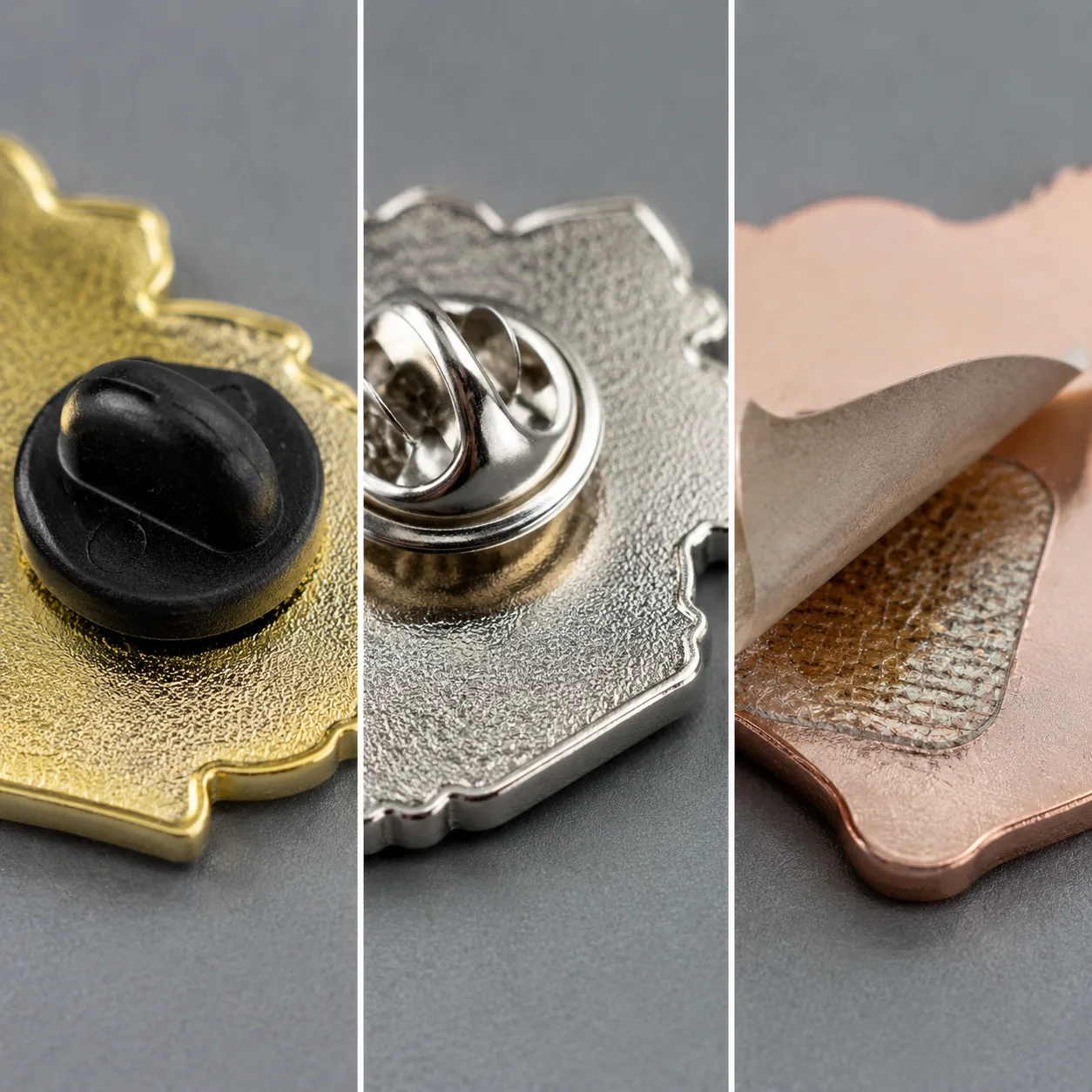
Why late material changes cause budget drift
Most sustainable upgrades fail on timing, not intent. A factory can usually offer recycled metal, rPET webbing, FSC-certified paper, or PVC-free packing. The cost problem starts when the swap is introduced after artwork approval, mold or die layout, plating assumptions, color standards, and pack-out counts are already fixed. At that stage, a change from standard zinc alloy to recycled brass, or from a PVC pouch to an FSC card sleeve, can force a new pre-production sample, revised carton counts, rebalanced packing labor, and fresh approval of any environmental claim printed on the card.
In 2026, buyers get the cleanest quotes when sustainability is treated as a production spec, not a marketing note. Lock five items before RFQ: material family, recycled-content target, finish or plating standard, packaging format, and claim language. If those stay vague, two suppliers can both quote a sustainable version while offering different alloy grades, paper weights, recycled percentages, inspection scopes, and packing assumptions. That is how a quote that appears only USD 0.05 higher on unit price can end up materially more expensive after added sampling, slower packaging procurement, and hand-assembly time are included.
For pins, badges, coins, keychains, patches, and lanyards, the lowest-risk swaps are the ones that preserve the existing production route. Recycled copper alloy, recycled zinc alloy, rPET yarn, FSC card stock, and PVC-free sleeves are already common in export factories. By contrast, niche bio-resins, compostable films with short storage life, or unproven coatings often create variability in die-casting flow, dye uptake, adhesion, or scuff resistance. The practical rule is simple: the closer the material swap stays to an established process, the easier it is to predict cost, lead time, and QC outcomes.
Which swaps move cost the most
Packaging swaps usually change total landed cost by cents, not dimes. Base-metal changes are more sensitive because they can alter die wear, polishing time, plating behavior, scrap rate, and sample approval risk. Many quote errors happen because buyers focus on the visible product and ignore the card, sleeve, insert, polybag, barcode label, and outer-carton assumptions that sit behind it.
For enamel pins and coins, recycled brass or copper-rich alloys usually cost more than iron or standard zinc, but they can plate more evenly on premium finishes such as imitation hard gold, antique silver, and dual-tone plating. For die-cast keychains, recycled zinc is often the easier switch because the geometry already suits zinc casting and the density difference versus standard zinc is operationally minor. For lanyards, rPET is a routine substitution, but buyers still need to confirm yarn denier, webbing weight, width tolerance, and acceptable shade variation because recycled yarn can absorb dye slightly differently across lots.
Patches are a special case. Forcing a substrate or thread change for sustainability can reduce edge sharpness, thread density, or color saturation, especially on woven patches with small text under 2.0 mm high. In many patch programs, the faster environmental gain comes from removing individual polybags, consolidating SKUs onto one FSC card size, or using a paper belly band. That approach cuts plastic with almost no impact on embroidery or weaving output.
| Swap option | Typical MOQ | 2026 FOB cost impact | Lead-time impact | Technical notes / best use case |
|---|---|---|---|---|
| Recycled brass or copper alloy for pins and coins | 300-500 pcs | +8% to +18%; typically +USD 0.08 to 0.18 per pc on 30 mm pins, +USD 0.18 to 0.40 on 45 mm coins | +2 to 5 days | Best for premium badges and commemorative coins; smoother polishing than iron, better appearance on antique silver or imitation gold; confirm recycled-content declaration and plating thickness target |
| Recycled zinc alloy for keychains and badges | 300-500 pcs | +4% to +10%; typically +USD 0.07 to 0.20 per pc on 50 mm die-cast keychains | +1 to 3 days | Strong fit for die-cast parts over 3.0 mm thick; verify burr control on cutouts and ring attachment strength of 8-12 kgf |
| rPET lanyard webbing | 500-1000 pcs | +3% to +9%; typically +USD 0.02 to 0.06 per pc at 20 mm width | +2 to 4 days | Low-risk swap for events and staff IDs; specify 300D or 450D yarn, width tolerance +/-1 mm, and color tolerance such as Delta E <=2.0 against approved standard |
| FSC paper card replacing plastic insert | 500-1000 pcs | +USD 0.01 to 0.05 per set | 0 to 2 days | Best for retail-ready pins, badges, and patch sets; common stocks are 300-400 gsm SBS or kraft; define matte/gloss lamination and barcode location |
| PVC-free patch bag or paper sleeve | 1000 pcs | +USD 0.02 to 0.06 per set | +1 to 2 days | Useful for uniform patches and e-commerce sets; check scuff resistance, tear strength, and whether sleeve opening damages merrow border |
| Water-based or low-solvent ink on cards | 1000 pcs | +USD 0.01 to 0.03 per card | +1 to 3 days | Relevant for buyer packaging policies; confirm rub resistance, dry time, and acceptable print color tolerance |
2026 FOB price ranges by product family
For a 30 mm soft enamel pin, 1.5 mm thick, iron base, butterfly clutch, and simple individual packing, a typical 2026 FOB China range at 500 pieces is about USD 0.32 to 0.58 each. If upgraded to recycled brass, 350 gsm FSC card, and no plastic dome, the realistic range becomes roughly USD 0.42 to 0.72. Costs rise further if the spec includes laser numbering, back stamp, glitter fill, epoxy dome, or plating thickness in the 2.0 to 3.0 micron range instead of decorative flash plating.
For a 50 mm die-cast keychain with one split ring and one short chain, standard zinc alloy at 500 pieces commonly lands around USD 0.80 to 1.45 FOB. A recycled-zinc version with FSC card and PVC-free sleeve usually moves to USD 0.92 to 1.62. The alloy premium is often smaller than the labor premium from thicker bodies, recessed logos, cutouts, soft enamel fill, or two-step insertion onto a retail card.
Challenge coins show a wider spread because labor and finish drive price more than raw material. A 45 mm diameter, 3.0 mm thick coin with double-sided relief and standard edge typically quotes around USD 1.55 to 2.80 FOB at 300 pieces in standard alloy. A recycled copper-alloy version with antique silver or imitation gold often lands around USD 1.78 to 3.15. Rope edges, sandblasted backgrounds, offset print on one face, and sequential numbering can add another USD 0.10 to 0.35 per coin.
Lanyards are more material-sensitive because yarn is a larger share of the bill of materials. A 20 mm x 900 mm sublimated polyester lanyard with metal swivel hook at 1,000 pieces usually sits at USD 0.38 to 0.68 FOB. The same build in rPET is often USD 0.42 to 0.74. Add-ons such as a safety breakaway, buckle release, phone loop, woven label, or printed retail card can add USD 0.10 to 0.24 per piece, which often matters more than the recycled yarn premium.
For embroidered patches around 75 mm with merrow border, bulk packing at 1,000 pieces is often USD 0.28 to 0.55 FOB. A PVC-free sleeve or retail card version usually raises that to USD 0.32 to 0.62. On patch programs, the extra cost usually comes from carding and manual handling rather than from thread. That is why packaging simplification is often the fastest sustainability win on patch orders.
Lead times buyers should plan in days
The usual mistake is assuming the green version adds only one or two days. That is true only when the supplier already stocks the material, the packaging converter has the paper or sleeve format on hand, and the environmental claim requires no added documentation. In practice, the delay usually appears in sampling, claim review, and packaging procurement rather than in stamping, casting, embroidery, or sewing.
For metal products in 2026, a realistic schedule is 2 to 4 days for artwork cleanup and die-line confirmation, 7 to 10 days for pre-production sample, and 10 to 18 days for bulk production after sample approval. A sustainable-spec version usually adds 2 to 5 calendar days overall. Recycled metal itself rarely slows the press or casting station by much; the added time normally comes from upstream trace paperwork, FSC card printing, or final assembly checks for mixed packaging.
For lanyards, normal production after sample approval is often 8 to 12 days for standard polyester and 10 to 14 days for rPET, assuming hooks and breakaways are stocked. For embroidered or woven patches, a normal run is often 8 to 14 days, with another 1 to 4 days if the order includes custom paper bands, sleeves, barcode labels, or kitting. If a campaign combines pins, patches, and lanyards to one ship date, the slowest component controls the ex-factory schedule.
Rush compression is possible but expensive. Pulling a standard metal order from a 15-day bulk window down to 7 to 9 days often adds a 10% to 20% surcharge or forces overtime at inspection and pack-out. Sustainable orders resist compression more than standard ones because low-volume paper packaging, recycled-material paperwork, and mixed-item assembly all create fixed preparation steps that do not shrink easily.
MOQ tiers that make sustainable builds economical
A supplier may accept 100 pieces for a greener build, but that is usually only a technical MOQ, not an economic one. Sustainable programs get distorted at very low quantities by die setup, plating minimums, card print minimums, sleeve runs, hand-assembly overhead, and inspection labor. Buyers should separate technical feasibility from a commercially usable unit cost.
For small metal pins or keychains, 300 pieces is often the practical floor for a simple recycled-content trial when the design is uncomplicated and packing is standard. At 500 pieces, pricing stabilizes because die amortization, plating batches, and FSC card runs begin to balance out. At 1,000 pieces and above, sustainable packaging becomes more efficient, especially if one card size or one sleeve format can be shared across several SKUs.
For rPET lanyards, 500 pieces is workable, but 1,000 pieces is where color consistency, accessory matching, and packaging economics usually improve. Small dye lots can still meet spec, but they tend to carry a premium and show more lot-to-lot variation. For patch sets, the hidden MOQ often sits in the packaging rather than the patch itself, especially when multiple languages, barcode versions, or retail formats are involved.
- Use 300 pcs as the trial MOQ for simple recycled-metal pins or keychains with standard bulk packing
- Use 500 pcs when you need custom backing cards, paper sleeves, or separate retail insertion
- Use 1,000 pcs or more for rPET lanyards when shade consistency, denier control, and accessory matching matter
- Avoid low MOQs for mixed-item gift sets unless you accept higher hand-assembly cost per unit
- Check whether MOQ applies only to production or also to packaging print runs, barcode labels, and insert cards
- Ask whether split deliveries create separate minimums by language, region, or retailer version
Regional split shipments create another common MOQ trap. A 2,000-piece lanyard order shipping to three regions may behave like one webbing order but three smaller packaging runs if each region needs a different language card. In many cases, the cheaper solution is to standardize the product and localize only the top card or belly band instead of building three different full pack-outs.
Specs that prevent green claims from becoming QC disputes
The safest way to buy sustainable promo products is to translate the claim into measurable production points. Instead of requesting an eco-friendly version, define what the factory must make and inspect. For metal goods, that means base metal, nominal thickness, finish, plating type, plating thickness where relevant, attachment hardware, packaging material, and inspection standard. For textiles, it means webbing material, width, denier, print method, accessory composition, and final packing.
A workable pin specification reads more like an engineering note than a slogan: 30 mm overall size, stamped brass, 1.5 mm base thickness +/-0.10 mm, soft enamel fill, antique nickel finish, plating target 1.0 to 1.5 microns where applicable, butterfly clutch, FSC 350 gsm SBS card, no PVC sleeve, packed 50 pcs per PE-free inner bag, AQL 2.5 major and 4.0 minor. That level of detail gives purchasing, production, and QC a shared reference.
For challenge coins, add dimensional tolerances such as diameter +/-0.15 mm and thickness +/-0.10 mm. For keychains, specify ring inside diameter, attachment pull strength, and burr-free edges on hand-contact areas. For lanyards, specify width tolerance of +/-1 mm, total length tolerance of +/-10 mm, target yarn such as 300D rPET, hook material, breakaway requirement, and acceptable color variance, for example Delta E <=2.0 against approved PMS match under D65 light.
Packaging needs the same discipline. If the card matters, state the paper stock, such as FSC 300 to 400 gsm SBS or kraft board, matte or gloss lamination, print colors, barcode position, and ink system. If reduced plastic is required, define whether that means no individual bag, a paper sleeve only, or a recyclable poly alternative. Clear packaging language avoids the most common dispute: the buyer assumes sustainability means minimal packing, while the factory assumes it means a premium retail presentation with more handling.
Where the swaps are worth it and what to lock before RFQ
The strongest candidates are repeat programs, premium brand merchandise, retail-facing packs, museum or commemorative products, and campaigns that require public sustainability reporting. In those cases, a 5% to 15% unit increase is often commercially acceptable because claim consistency, packaging quality, and brand presentation carry real value. Reorders also improve because the initial setup, sampling, and claim review have already been absorbed.
The weakest candidates are ultra-low-cost giveaways, emergency rush jobs, and products with multiple moving parts or unusual mixed materials. If the target is a sub-USD 0.35 pin or delivery in under 10 days from approval, sustainable swaps can create more operational friction than value. The same caution applies to spinner items, LED pieces, transparent inserts, or hinged constructions, where a material change makes root-cause analysis harder if quality issues appear.
Brand fit matters too. If the visible product is already stable but the packaging is waste-heavy, start with packaging because it usually delivers the quickest gain at the lowest risk. If the product is a commemorative coin meant to be kept for years, a recycled copper-alloy base may be more meaningful than saving a few grams of transit plastic. The best sustainability choice is the one that matches the product's actual life, handling, and end use.
- Send artwork with target size, thickness, finish, and attachment already fixed
- Request two quote columns: standard build and sustainable build
- Quote at clear MOQ tiers such as 300, 500, and 1,000 pcs
- Ask for sample lead time and bulk lead time as separate numbers
- Specify packaging in detail: card stock, sleeve, pouch, or no individual bag
- Confirm inspection terms such as AQL 2.5 major and 4.0 minor
- Ask which component drives the lead-time increase: material, packaging, sampling, or assembly
- Request FOB pricing, carton count, and carton dimensions so landed-cost comparisons stay consistent
If one campaign includes pins, coins, patches, and lanyards, ask the supplier to show the critical path by item. That reveals whether the sustainable change belongs in the product, the packaging, or both. In most 2026 buying cycles, the smartest first move is not the most radical material experiment. It is the swap that preserves quality, keeps the ex-factory date credible, and produces a specification procurement can repeat on the next order.
Have a project? Send your artwork and target quantity and we’ll reply with a detailed quotation within 12 working hours.
Ready to get this made?
Send your sketch, target quantity and ship-date. Detailed quotation in 12 hours.



