Soft Enamel vs Hard Enamel Pins: A Buyer's Comparison
The short answer
Soft enamel is the right choice for most B2B buyers — it’s 30-40% cheaper than hard enamel, looks great on detailed designs, and ships faster. Hard enamel is worth the premium when (1) the pin will be displayed at close range (executive lapel pins, jewelry-counter retail), or (2) perceived value matters more than cost (luxury corporate gifting, fashion-house collaborations).
The technical difference
Both pin types start the same way: a stamped brass blank with recessed channels for color. The difference is in the enamel-filling process.
Soft enamel is filled once, baked once, and shipped. The enamel surface ends up slightly below the raised metal lines (about 0.1mm recessed). Run your fingernail across a soft enamel pin and you can feel the texture.
Hard enamel is filled, baked, refilled, baked again, and then polished flush. The final surface is mirror-flat with no texture — the metal lines and the enamel feel like a single smooth surface.
Cost
Cost is the most common reason buyers choose soft enamel. At our factory, soft enamel pins start at $0.30/pc (100 pcs) and scale down to $0.18/pc (5,000+ pcs). Hard enamel starts at $0.55/pc and scales to $0.32/pc. The 30-40% premium reflects real labor — additional fill passes, an extra kiln cycle, and a polishing step.
Aesthetic
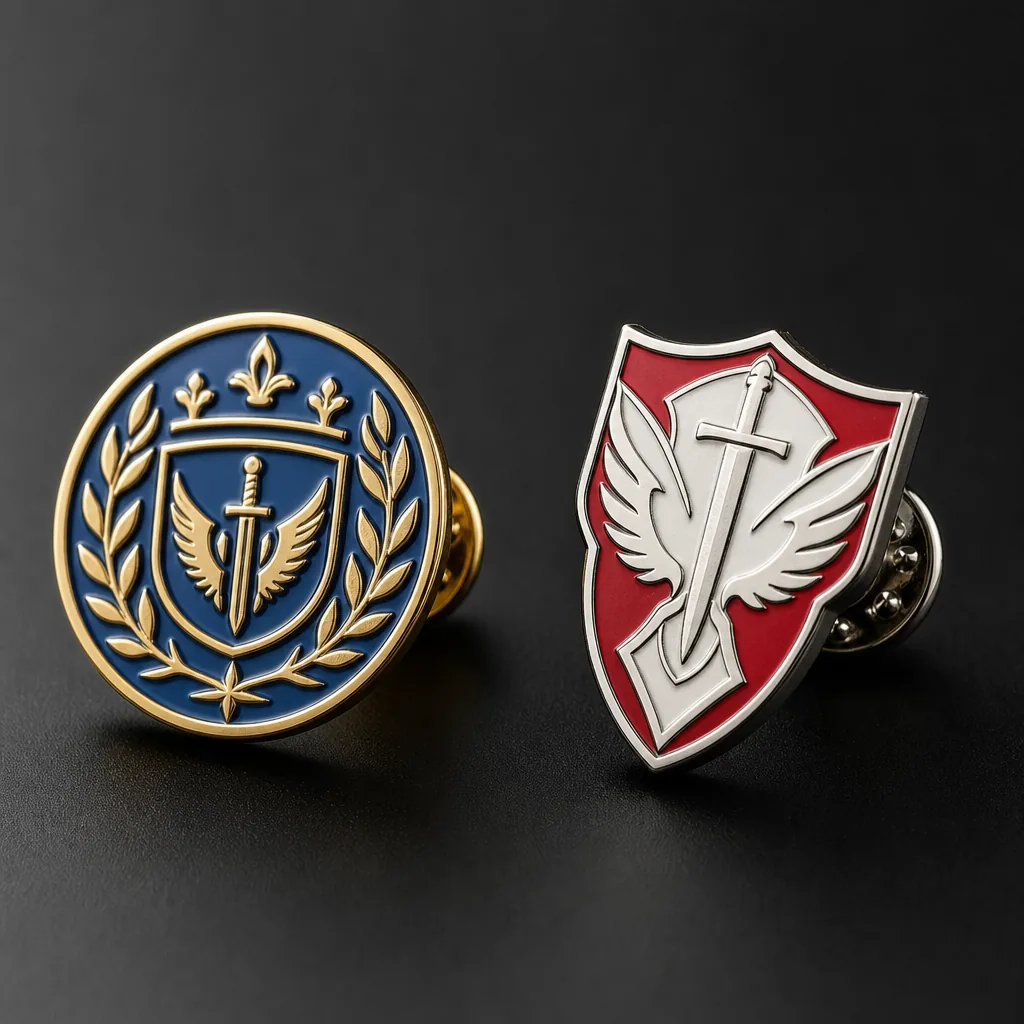
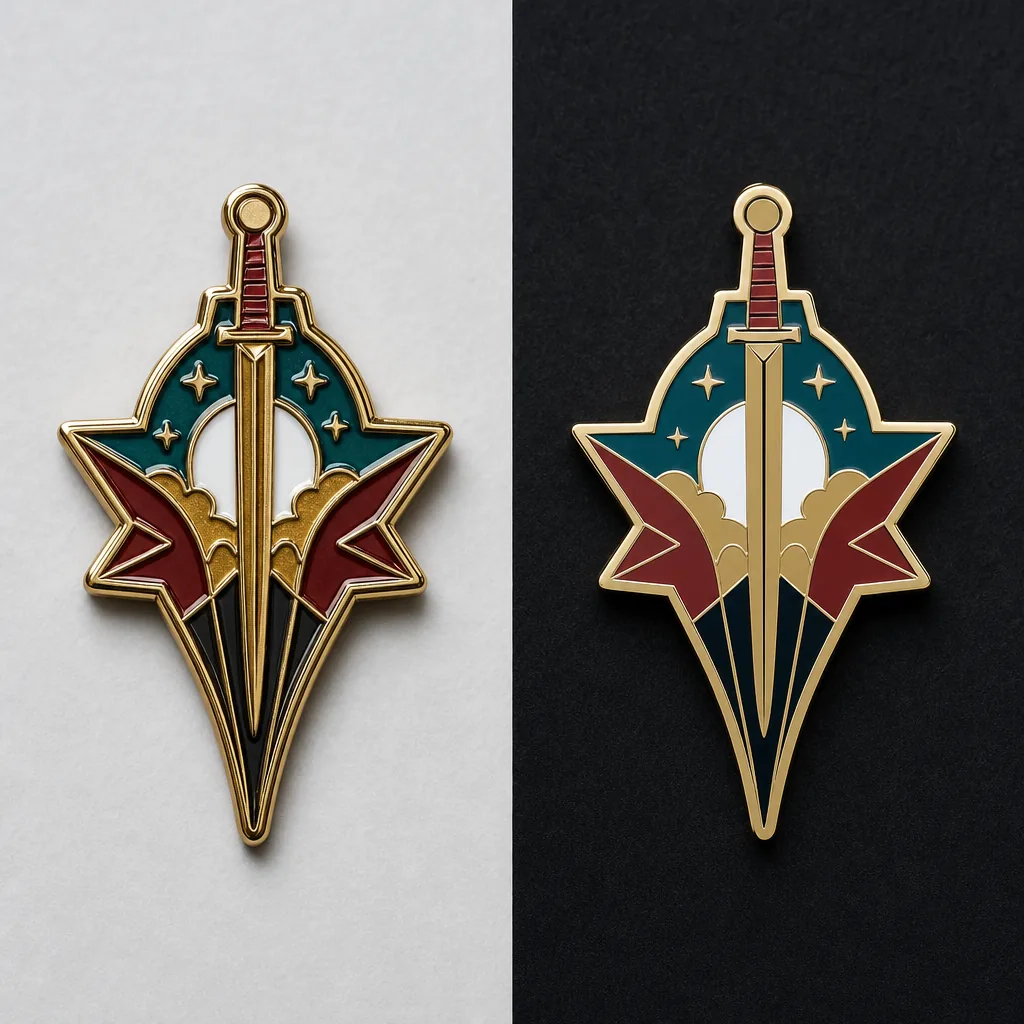
Soft enamel’s recessed surface and raised metal lines create depth and shadow play under light — many graphic designs look more visually rich in soft enamel. Hard enamel’s flat surface looks cleaner and more modern; the colors appear slightly darker and more saturated because there’s no surface scatter.
For detailed designs with thin metal lines (e.g. typography, fine illustration), soft enamel is more forgiving — small mistakes in filling are less visible when the surface has natural texture. For minimalist designs with large color areas, hard enamel’s flat surface looks more premium.
Durability
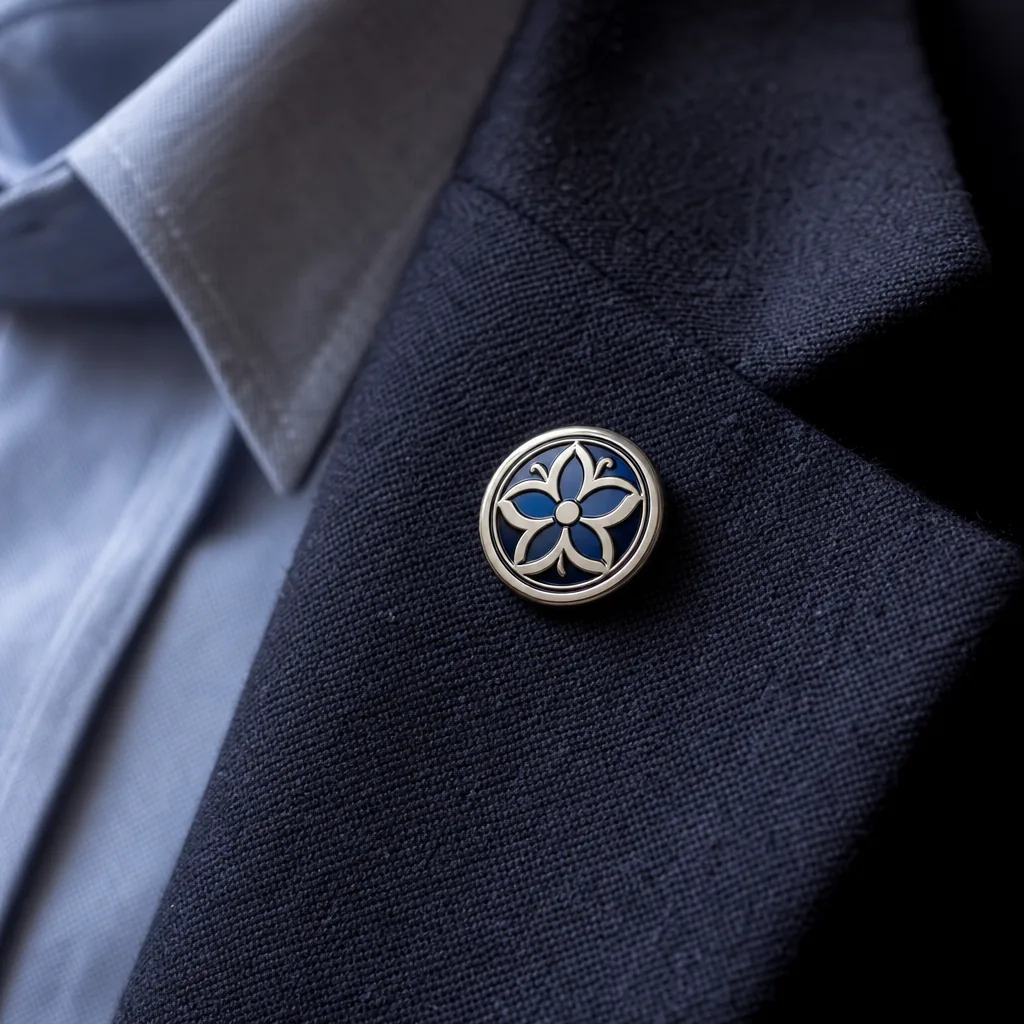
Hard enamel is genuinely more durable. The flush surface has no recessed channels for dirt and moisture to accumulate, and the harder enamel formulation resists scratching better. For pins that will be worn daily for years (executive lapel pins, prep-school crests), hard enamel justifies the premium.
For pins that will be worn occasionally or displayed (event pins, fundraising ribbons, corporate gifts kept in a desk drawer), soft enamel’s durability is more than adequate.
Lead time
Soft enamel: 5-7 days sampling, 15-20 days bulk production. Hard enamel: 7-10 days sampling, 20-25 days bulk production. The extra time covers the additional kiln cycle and polishing step.
When we recommend each
Choose soft enamel for: trade-show giveaways, fundraising ribbons, conference delegate pins, kids’ brand merchandise, streetwear collaborations, event souvenirs, and any project where cost-per-piece is a primary constraint.
Choose hard enamel for: executive lapel pins, jewelry-grade brooches, prep-school crests, anniversary recognition pins, luxury corporate gifting, fashion-house seasonal accessories, and any project where the pin will be worn daily or examined at close range.
Not sure which fits your project? Send us a brief and we’ll quote both options side-by-side so you can compare unit cost and lead time before deciding.
Ready to get this made?
Send your sketch, target quantity and ship-date. Detailed quotation in 12 hours.