RFQ to Bulk: A Practical Sourcing Workflow for Custom Pins
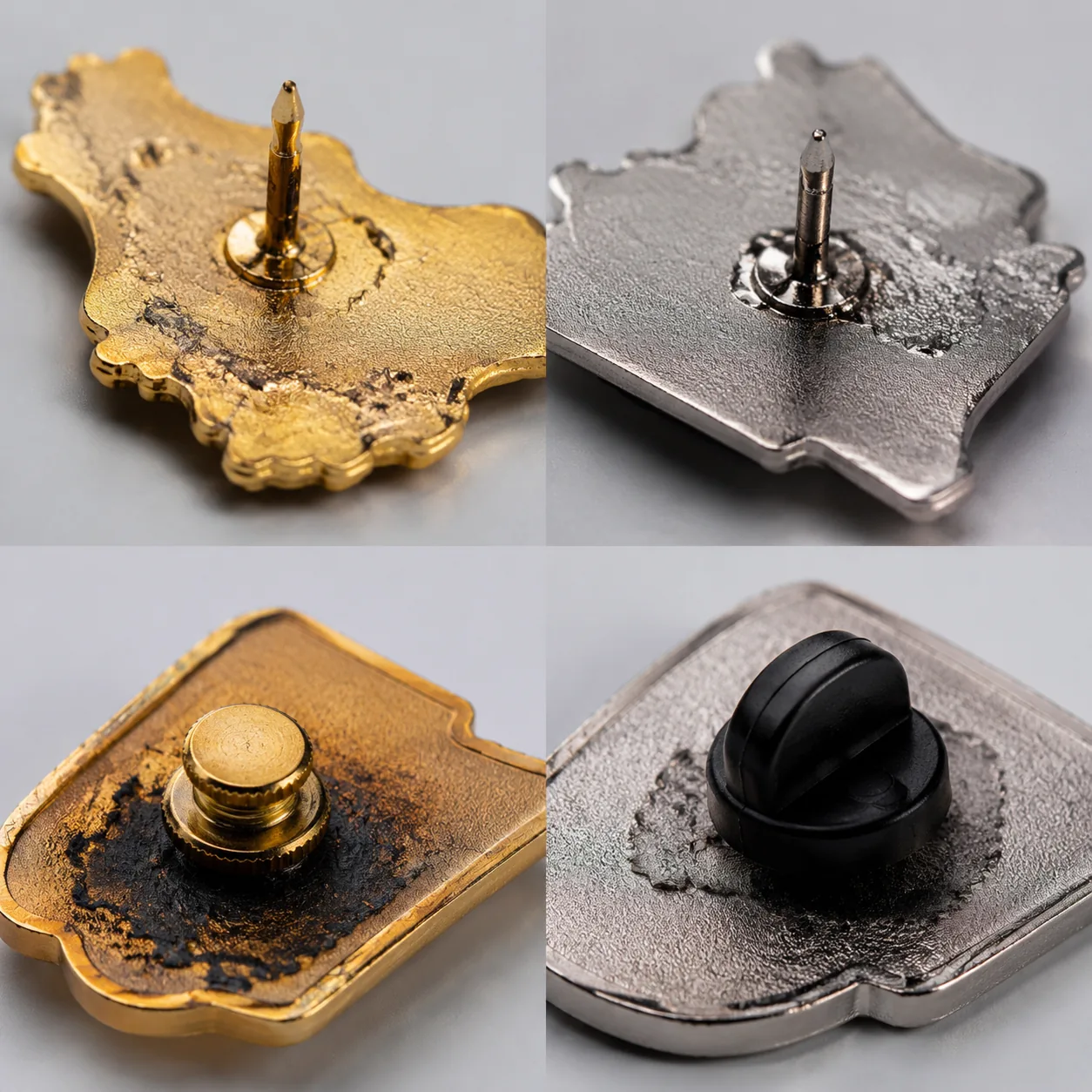
Start with the failure mode, not the artwork
Most bad pin orders do not fail because the design is ugly. They fail because the buyer asked for a price before fixing the build method, size tolerance, plating, attachment, and approval rules. When those basics are missing, factories quote against their own assumptions, and the sample you approve later may not match the bulk run. The right sourcing process starts by defining what can go wrong and locking the specs that prevent it.
For custom enamel pins, the minimum RFQ should include size in millimeters, thickness in millimeters, finish type, plating color, fill type, attachment type, target quantity, packaging, and the approval path for samples. If the pin is for retail or premium gifting, you should also state cosmetic expectations such as polished edges, allowable tiny pits, and whether the back needs branding. ZheCraft sees the cleanest orders when buyers send one drawing, one reference photo, and one line stating which details are fixed and which are flexible.
Write an RFQ that a factory can price correctly
A good RFQ is not long; it is complete. The supplier needs enough information to choose tooling, estimate labor, and identify whether the job is stamped, die struck, soft enamel, hard enamel, or a mixed construction. If you omit one key field, the quote is often still returned, but the hidden assumption becomes your problem later. That is how a price that looked safe turns into a re-quote after sample review.
The strongest RFQs separate must-have specs from preferences. For example, a buyer might fix the size at 25 mm, thickness at 1.5 to 1.8 mm, and black nickel plating at 0.03 to 0.05 microns, while allowing the factory to suggest the clasp style or backing card layout. For a 2D soft enamel pin, a reasonable starting FOB range at 3,000 to 5,000 pcs is often about USD 0.28 to 0.75 each depending on complexity, while a hard enamel or more polished build usually moves higher. At MOQ levels of 100 to 300 pcs, unit cost often rises sharply because setup and labor dominate.
- State exact size in mm, not just 'small' or 'medium'.
- Specify finish, plating color, and thickness target.
- Include quantity tiers: sample, 100, 300, 1,000, 5,000+.
- Attach vector artwork and note what may change.
- List packing needs: bulk bag, backing card, or gift box.
- Ask for a quote validity window, usually 7 to 15 days.
Use a quote matrix to compare real value
A low unit price is only useful if the build matches your use case. Two quotes can look similar while hiding major differences in plating thickness, enamel polish, clasp quality, or allowable defect level. To compare factories fairly, normalize the quote against the same spec sheet and ask each supplier to confirm the same assumptions in writing. This is where many buyers save money or prevent a costly mismatch.
The easiest way is to build a comparison matrix before you ask for final pricing. Include structure, surface finish, key hardware, expected defect limit, sample charge, and lead time in days. A factory that quotes faster but offers no tolerance or QC detail is usually not lower risk; it just leaves more uncertainty on your side. ZheCraft often recommends buyers compare the complete landed cost, not just FOB, because packing changes and rework risk can outweigh a few cents of unit price.
| Item | What to compare | Typical range or note |
|---|---|---|
| Build | Soft enamel, hard enamel, stamped, die cast | Changes labor and polishing cost |
| Plating | Nickel, black nickel, gold, antique finishes | Common thickness target 0.03 to 0.08 microns |
| Size tolerance | Overall size and line width allowance | Often ±0.2 mm to ±0.5 mm depending on design |
| Sample cost | Digital proof, pre-production sample, mold charge | May be waived at higher volume |
| Bulk lead time | Production window after approval | Commonly 12 to 25 days |
| Defect target | Appearance and functional rejection level | AQL 2.5 is common for visual defects |
Approve the sample like a production engineer
A sample is not a souvenir; it is a control document. When it arrives, check it against the original RFQ, not just against your memory of the design. Measure overall size, border thickness, plating color tone, attachment fit, and fill level under normal indoor light. If the sample differs but still looks acceptable, decide immediately whether the deviation is now the new standard or whether the factory must correct it.
The best sample approval notes are specific and numbered. For example: confirm the enamel sits flush within 0.1 to 0.2 mm of the metal border, confirm no exposed base metal on colored fields, and confirm the clasp holds without loosening after repeated opening. If you accept a sample with one visible issue and do not write it down, that issue can become the bulk standard. For premium orders, request a golden sample, meaning the approved physical reference stays locked for mass production and reorder comparison.
- Check the pin face under daylight and warm indoor light.
- Verify the back stamp, if required, matches the approved artwork.
- Test the clasp for fit, retention, and rotation.
- Measure thickness at the thickest point and near edges.
- Photograph approved areas and note any accepted deviation.
- Confirm sample approval in writing before bulk starts.
Lock the bulk spec before the factory cuts volume
Bulk production should not begin on a verbal okay. It should begin only after the approved sample, revised drawing, and order sheet all match each other. This is especially important for mixed orders with variants, such as multiple plating colors or several artwork versions in one run. Once bulk starts, even a small revision can create scrap, delay, or forced compromise.
At this stage, ask the factory to restate the final production spec in one line: size, thickness, plating, fill, attachment, packaging, quantity, and tolerance. If the order includes multiple SKUs, each SKU should have its own line item and image reference. For custom pins, a practical visual defect target is often around AQL 2.5 for general appearance, while critical function items such as clasp fit can be tightened further when needed. If you need very consistent branding, this is also the point to lock the color standard and the backcard artwork so reorders remain stable.
| Checkpoint | Who confirms it | What must be fixed before bulk |
|---|---|---|
| Artwork | Buyer and factory | Final vector, text, and logo proportions |
| Sample | Buyer | Accepted physical reference and notes |
| Hardware | Factory | Backing type, pin length, and clasp fit |
| Plating | Factory | Metal finish and thickness target |
| Packing | Buyer and factory | Carton count, insert, and labeling |
| QC standard | Buyer | AQL, cosmetic limits, and critical defects |
Control lead time, payment, and change risk
The fastest way to miss a launch date is to treat lead time as a single number. In reality, it is proofing time, sample time, bulk time, inspection time, and shipping time added together. For a typical custom pin order, proofing may take 1 to 3 days, sample making 5 to 10 days, bulk production 10 to 20 days after approval, and packing 2 to 4 days. If your event date is fixed, build in buffer time for any artwork correction or hardware substitution.
Payment terms also affect risk control. Many factories request a deposit before sampling or bulk, with balance due before shipment, but the safer move is to tie payment release to approved documents and confirmed QC evidence. Ask for inspection photos of front, back, packaging, and carton marks before final payment. For repeat work, a supplier that already holds your locked spec and golden sample can usually shorten the schedule and reduce surprise retooling costs.
- Separate sample time from bulk time in your schedule.
- Ask what happens if approval is delayed by buyer-side edits.
- Confirm whether any tooling or mold charge is reusable.
- Set one contact person for all approvals.
- Require carton marks and SKU labels before dispatch.
- Keep a buffer of 5 to 7 extra days for launch orders.
What to do next
If you are sourcing a new pin order, start with a one-page RFQ that fixes the non-negotiables and leaves only secondary details open. Then request two or three quotes against the same spec so price differences reflect capability, not ambiguity. After that, approve the sample only with written notes, and release bulk only when the production sheet matches the sample exactly. That sequence prevents most of the rework, cost creep, and deadline slips buyers see on their first order.
If you want a practical starting point, use this order: define the build, set the dimensions, compare quotes, approve the sample, and lock the bulk spec. ZheCraft can help translate that into factory language for enamel pins, brooches, keychains, fridge magnets, challenge coins, patches, and lanyards, especially when the same brand needs consistent specs across multiple item types. The goal is not the cheapest quote; it is the first clean production run that can be reordered without surprises.
Have a project? Send your artwork and target quantity and we’ll reply with a detailed quotation within 12 working hours.
Ready to get this made?
Send your sketch, target quantity and ship-date. Detailed quotation in 12 hours.



