Recycled Metal vs rPET: Sustainable Promo Swap Specs
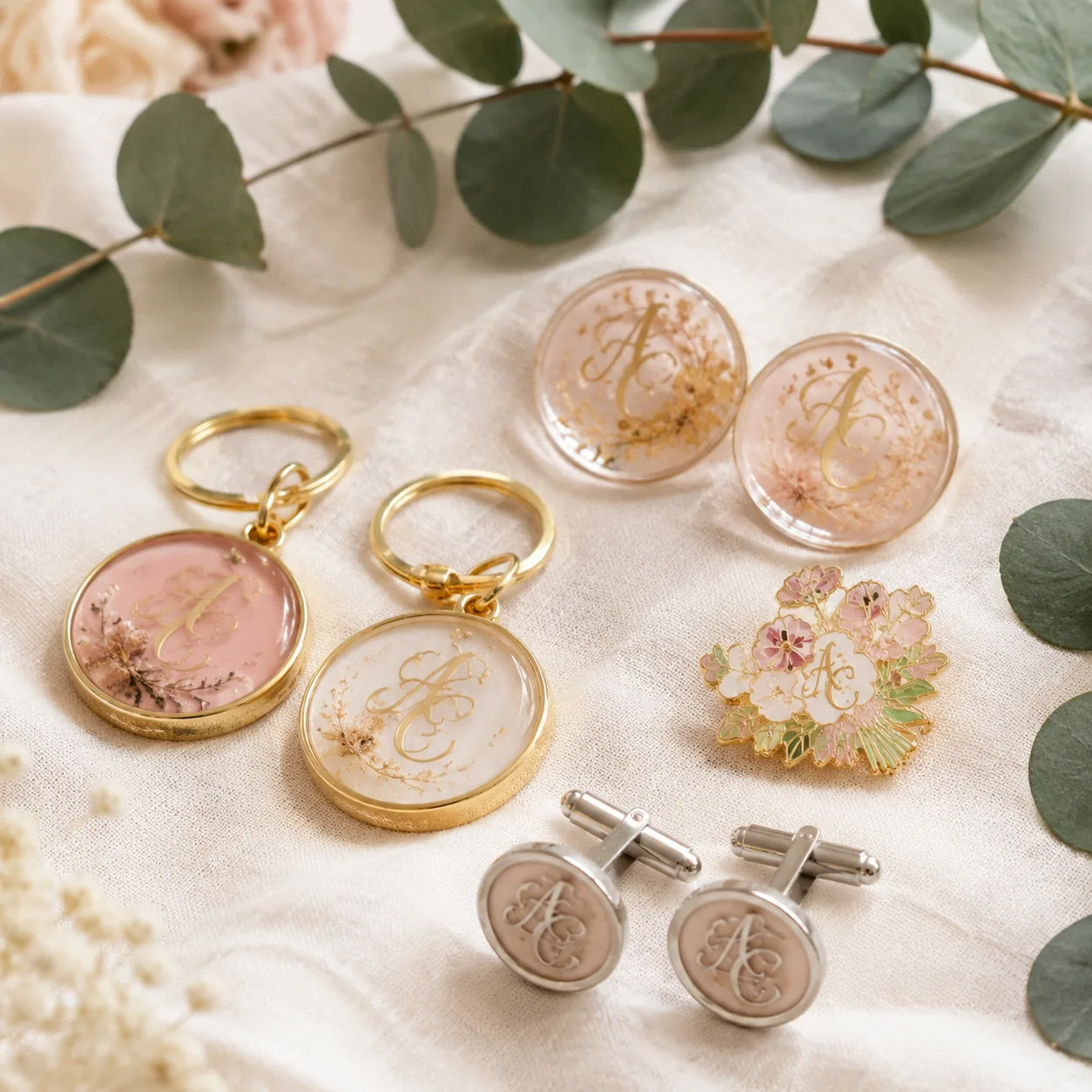
A January 2026 promotional-products RFQ often asks for lower virgin material while the item list still includes zinc-alloy pins, polyester lanyards, PVC patches, plated keychains and paper backing cards. The practical swap is not one universal sustainable material. Use recycled-content metal where the item needs weight, a rigid edge, a clutch, a magnet, a bottle-opener function or a long-kept keepsake feel. Use rPET where the item is textile, neck-worn, flexible, carton-efficient or graphics-heavy. Byline: Vincent Xi, Editorial Author. Author profile and Article or BlogPosting author URL: https://www.zhecraft.com/authors/vincent-xi/.
Method and limits: ZheCraft's public author profile identifies Vincent Xi as Editorial Author; no personal factory-visit, audit, certification, client, test, award or customer-outcome claim is made here. This comparison is derived from January 2026 planning assumptions for custom metal and textile promotional RFQs, supplier quote structures commonly used for FOB Yiwu export orders, ISO 2859-1 sampling terminology, EN 1811 nickel-release context for skin-contact metal, ISO 14021 context for self-declared environmental claims, and document checks typically requested for recycled-content or packing chain-of-custody claims. All exact production numbers below are January 2026 buyer-side assumptions to verify in the current supplier quote unless a named standard is cited. Limitations: recycled-content declarations, certificate scope, nickel-release reports, FOB prices, artwork tolerances, sample results and quote validity must be checked on current order documents before any public claim is printed.
Choose by Product Function
Recycled-content metal fits rigid promotional hardware: soft enamel pins, die-struck pins, brooches, challenge coins, trolley coins, bottle-opener keychains, bag charms and magnet badges with a metal face. It earns its cost when the buyer needs crisp rims, recessed enamel, pierced cutouts, plating contrast, dimensional relief or a solid hand feel. A January 2026 example pin specification to verify would be a 30 mm diameter body, 2.5 mm finished thickness, 0.25 mm minimum raised metal line, 0.35 mm minimum enamel cavity and plus or minus 0.10 mm die tolerance on small raised details.
rPET fits textile and flexible components: 15 mm, 20 mm or 25 mm lanyards, woven patches, sublimated patches, event wristbands, zipper pulls, fabric tags and badge straps. It is usually the better swap when comfort, carton density, repeated sponsor names or full-color graphics matter more than metal weight. A January 2026 example lanyard specification to verify would be 20 mm nominal webbing width, 0.9-1.3 mm webbing thickness, plus or minus 3 mm cut-length tolerance and plus or minus 1.5 mm sublimation registration tolerance.
Side-by-Side RFQ Specification
Use this table as a buyer-side starting specification, not as a factory promise. Scope: one custom design, normal artwork complexity, export carton packing, FOB Yiwu planning, January 2026 quote context and no retail display fixtures. Mold charges, freight, VAT, rush fees, third-party laboratory fees, barcode labeling and complex gift-box packing are excluded from the unit-price examples.
| Decision point | Recycled-content metal swap | rPET textile swap | Buyer consequence |
|---|---|---|---|
| Best product fit | Pins, brooches, coins, keychains, bottle openers, metal magnets, bag charms | Lanyards, woven patches, sublimated patches, wristbands, fabric pulls, badge straps | Match material to the item's job before writing the environmental claim |
| Material to request | Recycled-content zinc alloy or iron; Zamak 3 only if the January 2026 supplier quote and declaration identify that alloy | Post-consumer or post-industrial recycled polyester yarn, webbing or woven-label material, with scope stated on current documents | A quote line is not proof; ask which input and production stage each document covers |
| Example dimensions | 25-35 mm pin diameter, 40-55 mm keychain length and 2.0-3.0 mm metal thickness, January 2026 assumptions to verify | 15 mm, 20 mm or 25 mm lanyard width, 0.9-1.3 mm webbing thickness and 70-90 mm patch width, January 2026 assumptions to verify | Confirm dimensions before tooling, cutting or dyeing |
| Artwork tolerance | 0.25 mm raised metal line, 0.35 mm enamel cavity and plus or minus 0.10 mm die tolerance on small details, January 2026 assumptions to verify | 0.4-0.6 mm woven line, plus or minus 1.5 mm sublimation registration and plus or minus 3 mm cut length, January 2026 assumptions to verify | Metal carries small crests and fine outlines more reliably |
| Finish system | 3-5 micrometers nickel or copper underplate, 0.05-0.10 micrometer decorative flash and optional 0.8-1.2 mm epoxy dome, January 2026 assumptions to verify | No plating; woven yarn, sublimation ink, heat-cut edge or stitched edge with plus or minus 1.0 mm edge tolerance, January 2026 assumption to verify | Metal adds plating and nickel-release risk; rPET adds print, fray and stitching risk |
| MOQ tier | 300 pieces for simple pins, 500 pieces for custom plating or epoxy and 1,000 pieces for better metal unit pricing, January 2026 FOB Yiwu assumptions to verify | 500 pieces for standard lanyards and 1,000 pieces for custom rPET color or stronger document handling, January 2026 FOB Yiwu assumptions to verify | Lower MOQ can raise setup, document and inspection cost per unit |
| Lead time after approval | 18-28 calendar days for standard metal and 25-35 calendar days if new plating, epoxy or test reports are needed, January 2026 assumptions to verify | 12-20 calendar days for standard rPET webbing and 20-30 calendar days if certified yarn or custom dyeing is needed, January 2026 assumptions to verify | Event deadlines under 30 calendar days favor available documented inputs |
| FOB unit price example | US$0.65-US$1.70 per 30 mm soft enamel pin at 1,000 pieces, FOB Yiwu, January 2026 planning assumption to verify | US$0.38-US$0.95 per 20 mm sublimated rPET lanyard at 1,000 pieces, FOB Yiwu, January 2026 planning assumption to verify | Compare landed cost after mold, freight volume, packing, testing and rejected-sample risk |
| Inspection language | General inspection level II, critical defects not accepted, major AQL 2.5 and minor AQL 4.0, using ISO 2859-1 terminology as buyer-set January 2026 example language | Same sampling language, plus width, length, print-rub, edge-fray, clip and breakaway checks, using buyer-set January 2026 example language | AQL values are inspection settings, not a product certification |
The table shows why a single sustainable swap rarely fits a full kit. A 30 mm metal pin, January 2026 example scope, can justify tooling because it feels permanent and holds small shapes. A 20 mm rPET lanyard, January 2026 example scope, is usually the better carrier for badge weight, sponsor names and repeated event graphics. Quote them as separate lines so weak evidence on one component does not get hidden inside a broad sustainability label.
Durability, Weight and Wear Points
Under the January 2026 example specification, a 30 mm badge at 2.0-3.0 mm thickness gives enough mass for a clean rim, stable enamel recess and reliable butterfly clutch or magnet backing, subject to sample approval. That suits uniforms, collector drops, retail-style merchandise and sponsor gifts likely to be kept after the event. The main failure points are plating adhesion, enamel voids, chipped epoxy, weak magnet glue, bent pin posts, burrs on pierced edges and nickel contact risk where metal touches skin or clothing.
rPET is not weaker by default; it fails in different places. A 20 mm lanyard with 0.9-1.3 mm webbing thickness, January 2026 example scope, is light on the neck, folds into compact cartons and avoids the hard edges of metal. Its risks are woven-line blur, sublimation color shift, heat-cut edge fray, uneven stitching, weak swivel-hook connection and inconsistent breakaway release. For school, sports, conference or airport-event use, a textile format may be more practical than a premium-looking metal keepsake when the product will be worn for 6-10 hours in one event day, an example buyer-use assumption to verify with the event team.
Artwork and Finish Control
Small crests, mascot outlines, flag shapes and border typography usually survive better in die-struck or die-cast metal than in textile. The January 2026 example limits of 0.25 mm raised metal lines and 0.35 mm enamel cavities are still tight enough to require artwork cleanup, but they give more control than woven thread on small badges. Use metal when the buyer needs a polished rim, recessed enamel colors, pierced cutouts, antique contrast or a hard backing. Use rPET when the buyer needs long-distance readability, repeated logos, gradients by sublimation or a soft surface against clothing.
Finish choice changes risk. Gold, silver, black nickel and antique finishes can look strong on recycled-content metal, but plating thickness and color drift need approval against a physical sample. A 0.05-0.10 micrometer decorative flash layer and 3-5 micrometers underplate are January 2026 example targets to verify, not universal durability guarantees. For rPET, specify Pantone references or digital color targets, but expect fabric and sublimation variation. A complete approval file should include vector artwork, finished size in millimeters, line-width minimums, color references, backing type, clip type, packing method and acceptable tolerance list.
Evidence and Claim Wording
Textile recycled-content claims often have a clearer document path than recycled-metal claims. Depending on the supply chain, the buyer may request a yarn supplier declaration, scope certificate, transaction certificate or order-specific material declaration. GRS may be relevant for recycled textile inputs, but it does not automatically certify a finished custom lanyard unless the certificate scope covers the required processing stages and the order is traceable. The supplier should identify whether the claim covers yarn, webbing, sewing, printing, assembly or the finished packed item.
Recycled metal needs narrower wording. Scrap reuse inside casting, stamping or polishing workflows is common, but internal process scrap is not the same as a documented recycled-content claim for the finished product. Ask whether the declaration covers the base alloy only, or also plating, solder, epoxy, magnet, clutch and jump ring. ISO 14021 is useful context for self-declared environmental claims because it emphasizes clear, specific and substantiated wording; it does not certify the shipment. EN 1811 may be relevant when nickel release from skin-contact metal parts must be assessed; naming the standard is not the same as saying the current shipment has passed.
Use component-specific public language. Prefer 'pin made with recycled-content metal base, according to supplier declaration dated January 2026, scope to verify' over 'eco pin.' Prefer 'lanyard webbing made with rPET yarn, certificate scope to verify before claim' over '100 percent sustainable lanyard.' Avoid extending a paper-card certificate to the product itself. If the only verified evidence is recycled carton board, the claim should stay with the carton.
Cost, MOQ and Lead Time
The sustainable swap is rarely a neat percentage upcharge. In the January 2026 example table, a 1,000-piece 30 mm soft enamel metal pin is assumed at US$0.65-US$1.70 per piece FOB Yiwu, while a 1,000-piece 20 mm sublimated rPET lanyard is assumed at US$0.38-US$0.95 per piece FOB Yiwu. The comparison changes after mold fees, special plating, epoxy domes, clip choice, cartons, air freight, sea freight, document fees and laboratory tests are added. Metal can look inexpensive at high volume but costly at small MOQ because tooling and setup are spread over fewer pieces.
For planning, treat 300-500 pieces as the practical MOQ band for simple custom metal items and 500-1,000 pieces as the practical MOQ band for standard rPET lanyards, both January 2026 FOB Yiwu assumptions to verify. Certified, unusual or segregated inputs can push both upward because the supplier must reserve documented material and maintain traceability. If the event date is less than 30 calendar days from artwork approval, ask first what documented inputs are already available. A rushed recycled-content claim with weak traceability is worse than a conventional material described honestly and inspected properly.
QC Plan and Acceptance Checks
The inspection plan should test the product, not only the environmental file. For recycled-content metal, check finished size, metal thickness, plating color, plating adhesion, enamel fill, epoxy clarity, burrs, sharp edges, attachment alignment, magnet or clutch hold, barcode or packing accuracy and carton condition. January 2026 example checks to verify with the inspector are 3-5 micrometers underplate, plus or minus 0.15 mm enamel-fill variation and a 5 kgf attachment pull test.
For rPET, check webbing width, cut length, print registration, rub resistance, edge fray, stitching, clip function and breakaway release. January 2026 example checks to verify are plus or minus 1.0 mm edge tolerance, plus or minus 3 mm cut-length tolerance, plus or minus 1.5 mm sublimation registration and a 7 kgf pull test only if the method is agreed before production. For both routes, define critical defects before inspection: exposed sharp metal, detached pin posts, failed breakaway parts, unreadable approved artwork, wrong recycled-content claim on packing and mixed cartons should not be left to inspector judgment.
Image Prompt and RFQ Checklist
Image prompt: clean QC bench comparing the two material routes in this article. One side shows a 30 mm soft enamel recycled-content metal pin, caliper jaws measuring 2.5 mm thickness, small plating coupon strips, a butterfly clutch, a magnet backing and clear sample bags. The other side shows a 20 mm rPET lanyard strip, stitched breakaway, metal swivel hook, woven patch sample, heat-cut textile edge and pull-test clamp. Use neutral factory daylight, brushed steel tools, plain export cartons and accurate textures: polished nickel edge, recessed enamel, woven polyester thread and sublimation ink on webbing. No readable text, logos, watermarks, faces, fake identities or impossible machinery.
Before paying a deposit, decide the claim boundary: recycled-content metal base, rPET webbing, certified paper packing or no public environmental claim until documents are approved. Then send two RFQ lines instead of asking for one vague sustainable alternative. The supplier response should separate unit price, mold charge, MOQ, lead time in calendar days, material evidence, pre-production sample timing, inspection criteria and claim wording.
- Use the January 2026 numbers only as quote placeholders to verify, including a 30 mm by 2.0-3.0 mm pin body and a 20 mm by 0.9-1.3 mm lanyard webbing specification.
- State inspection language in the RFQ: general inspection level II, critical defects not accepted, major AQL 2.5 and minor AQL 4.0, using ISO 2859-1 terminology and subject to buyer policy and current product risk.
- Ask for document samples before deposit: material declaration, relevant chain-of-custody certificate, certificate scope page, nickel-release test plan for skin-contact metal and packing specification.
- Require one physical pre-production sample for color, weight, attachment strength, packaging and claim wording; photos alone are not enough for approval.
- Separate public wording by component: recycled-content metal base, rPET webbing, paper backing card or carton. Do not let a certified packing material imply that the product itself is certified.
- For mixed kits, quote recycled-content metal for the durable identity item and rPET for the textile carry item, then compare landed cost, lead time and document strength before approval.
Have a project? Send your artwork and target quantity and we’ll reply with a detailed quotation within 12 working hours.
Ready to get this made?
Send your sketch, target quantity and ship-date. Detailed quotation in 12 hours.



