Hard Enamel vs Soft Enamel vs Die-Struck: Buyer Specs
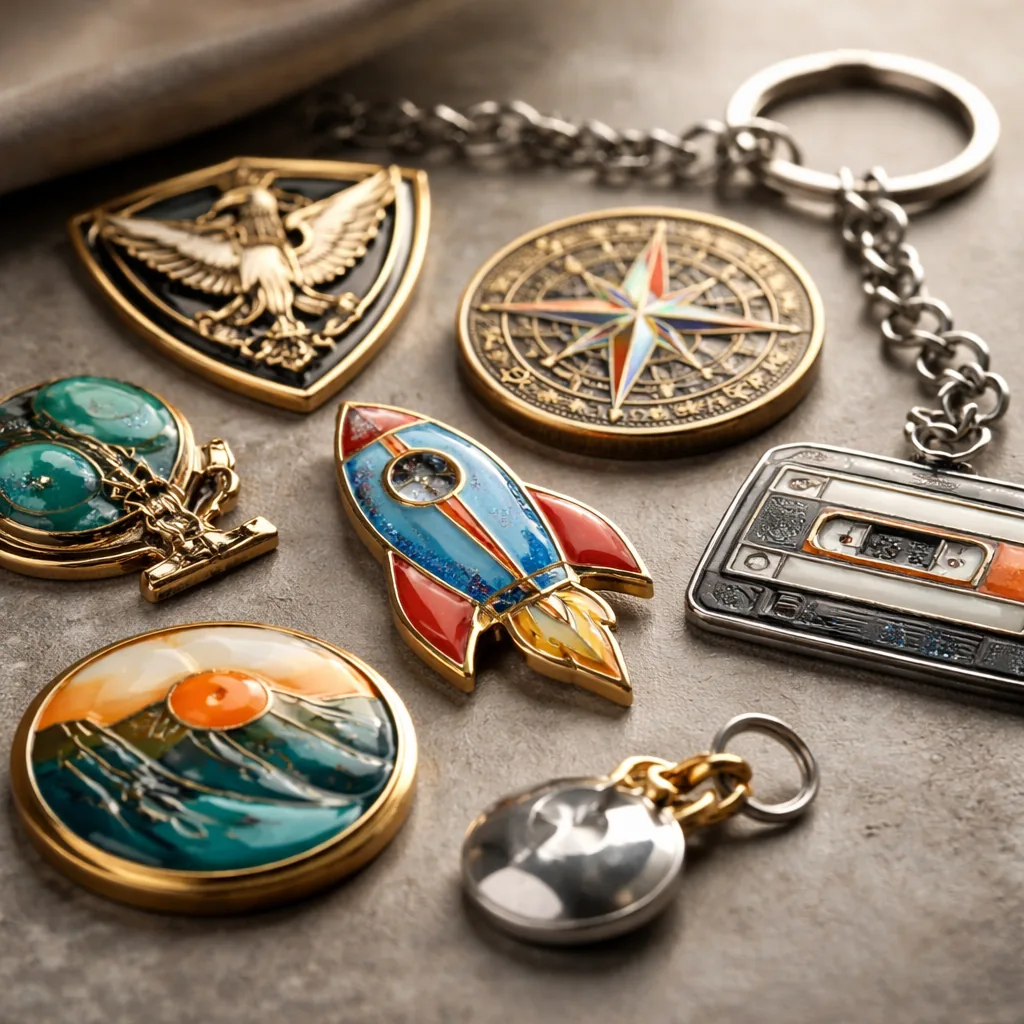
When the same badge has to survive different jobs
A buyer usually does not start with a material preference. The real question is whether the item will be worn daily, handed out at an event, sold in a retail channel, or stored as a collectible. Those use cases change what matters most: edge sharpness, color texture, wear resistance, unit cost, and how forgiving the artwork is to production. If you compare hard enamel, soft enamel, and die-struck only by appearance, you will miss the specs that drive rejects and reorder risk.
The table below is the fastest way to separate the three builds. It is not a beauty contest; it is a production decision chart. For Chinese factory quoting, these differences usually change tooling depth, polishing time, plating usage, and final inspection criteria. At ZheCraft, we typically ask buyers to choose based on use case first, then lock the finish and plating after the build type is set.
| Spec | Hard enamel | Soft enamel | Die-struck |
|---|---|---|---|
| Typical thickness | 1.5-2.0 mm | 1.2-1.8 mm | 1.0-2.5 mm |
| Surface feel | Flat and polished | Raised metal with recessed color | All metal, texture or polish only |
| Color fill level | Filled flush to metal | Usually 70-90% of cavity depth | No color fill |
| Minimum fine line | 0.20-0.25 mm | 0.15-0.20 mm | 0.10-0.15 mm |
| Standard MOQ | 100-300 pcs | 100-300 pcs | 50-200 pcs |
| Typical lead time | 12-18 days | 10-16 days | 8-14 days |
| FOB price range | USD 0.85-2.60 | USD 0.75-2.20 | USD 0.60-1.90 |
Surface finish versus tactile detail
Hard enamel is chosen when the buyer wants a smooth, jewelry-like face. The color is ground and polished to the same level as the metal, so the edge transition is clean and the badge feels premium in hand. That also makes it more tolerant of repeated rubbing against clothing, lanyards, or display packaging. The trade-off is that tiny artwork details can get visually softened because every cavity must be filled and levelled.
Soft enamel is better when you want the metal borders to read clearly from a distance. The recessed enamel creates more tactile contrast, which helps logos look bolder at low cost. It is usually the best value for promotions, event giveaways, and team merchandise where budget matters more than a fully glossy finish. The downside is that the raised metal edges can scratch sooner, and very thin lines can trap air or overfill if the artwork is not cleaned up well.
Die-struck is the right answer when the logo depends on metal relief rather than color. It gives a cleaner premium look than people expect, especially with antique brass, antique silver, or sandblasted backgrounds. If your brand color is essential, die-struck is not enough on its own unless you add enamel, epoxy, or a printed insert. In other words, it wins on form and durability, not on color identity.
Production spec table: what actually changes on the line
Factories do not build these three styles the same way. Hard enamel needs more polishing, tighter cavity control, and better color leveling. Soft enamel tolerates a little more variation in depth, but it still needs clean separators and consistent plating. Die-struck removes the enamel process entirely, so the main variables become die depth, grain direction, and how aggressive the polishing step is.
If you are comparing quotes, these are the specs that should be stated in the RFQ. They are also the specs that most often trigger re-quote or sample revision when left vague. The numbers below are practical factory ranges, not universal standards, but they are close to what a Yiwu or Guangdong plant will use for a normal promotional run.
| Control item | Hard enamel | Soft enamel | Die-struck |
|---|---|---|---|
| Cavity depth | 0.25-0.35 mm | 0.35-0.50 mm | 0.20-0.45 mm relief |
| Plating thickness | 0.03-0.05 microns decorative flash; 0.10-0.15 microns for upgraded wear | 0.03-0.05 microns decorative flash | 0.03-0.05 microns decorative flash |
| Recommended line width | 0.20 mm minimum | 0.15 mm minimum | 0.10 mm minimum |
| Color edge tolerance | ±0.15 mm | ±0.20 mm | Not applicable |
| Surface finish tolerance | Polished flatness within 0.05-0.10 mm across face | Visible raised/recess contrast acceptable | Relief height variation within 0.05-0.10 mm |
Cost is not only about unit price
The cheapest quote is often the one that hides the most assumptions. Hard enamel costs more because it adds polishing passes, more careful color filling, and more rejection risk if the face is not level after curing. Soft enamel is usually the lowest-cost colored option because it skips the final full polish and allows faster line balancing. Die-struck often beats both on labor if the design is simple, but a very detailed die can erase that savings in tooling and finishing time.
For budgeting, a realistic FOB range for small to medium orders is more useful than a single unit price. In the 100-300 piece range, soft enamel commonly lands around USD 0.75-2.20, hard enamel around USD 0.85-2.60, and die-struck around USD 0.60-1.90 depending on size, plating, and attachment. If you add glitter, translucent fill, sandblasting, antique plating, or custom backs, the spread widens quickly. Buyers who need retail-ready presentation should also reserve budget for backing cards, polybags, or velvet pouches because the packaging can equal the premium paid for the build itself.
The business decision is straightforward: if the item is a campaign giveaway, soft enamel usually maximizes perceived value per dollar. If it is a retail collectible or executive gift, hard enamel often justifies the premium. If it is a badge, commemorative mark, or minimalist brand piece, die-struck gives the strongest metal identity with the least complication.
Artwork rules that decide whether the quote is real
The most common cause of quote drift is artwork that cannot survive the chosen build. Hard enamel needs larger open areas and less reliance on microscopic contour breaks, because polishing and filling reduce the effective visual space. Soft enamel can carry sharper boundaries, but it still needs enough wall thickness to keep the cavities separated during die striking and coloring. Die-struck is the easiest for very fine relief, but if the design depends on small text, the result can disappear once antique finish or polishing direction is added.
If you want comparable quotes from multiple factories, your artwork package should include thickness, overall size, intended finish, and a note on which details are must-keep versus optional. A factory can then tell you whether the linework will hold at 40 mm, 50 mm, or 60 mm wide without guessing. This matters because a 1 mm change in badge size can completely change the reading of small internal text and the apparent weight of the metal border. ZheCraft usually recommends a digital proof plus one physical sample when the design has text below 3 pt or open areas below 0.8 mm.
- Use a minimum of 0.20 mm for color separators in hard enamel.
- Keep tiny text out of recessed areas on soft enamel if readability matters.
- Reserve die-struck for logos that still read clearly without color.
- Specify which finish is mandatory: polished, antique, sandblasted, or brushed.
- Call out any edge that must not be sharp for clothing or skin contact.
Wear, cleaning, and long-term appearance
Hard enamel is the easiest to clean because the face is flat. Dust wipes off, and the polished surface keeps the item looking new longer in retail packaging and on uniform lapels. The trade-off is that minor scratches can be more visible under bright light because the surface is smooth and glossy. For office uniforms, membership badges, and premium gifts, that is usually worth it.
Soft enamel is more forgiving for color density, but the recessed areas can collect grime if the item is used outdoors or worn frequently against fabric. The raised lines protect the color zones from immediate abrasion, yet the open edges can show wear sooner than buyers expect if the pin is handled roughly. If the item will be used on bags, hats, or outerwear, ask for harder plating and consider an epoxy dome only when the artwork can tolerate a slightly softer look.
Die-struck is the most durable in the sense that there is no fill to chip or fade. It is best when the visual identity comes from relief, texture, and plating contrast rather than color. For outdoor use, repeat handling, or high-friction contact, this is often the most conservative choice. It is not the most expressive choice for bright branding, but it ages gracefully if the die lines are well cut.
MOQ, lead time, and sample path
Lead time depends on how much finishing the piece needs, not just how simple it looks on screen. A soft enamel run with standard plating and a simple butterfly clutch can often ship in 10-16 days after sample approval. Hard enamel usually needs 12-18 days because polishing and color leveling add time, while die-struck can often move in 8-14 days if the die is straightforward. These ranges assume the design is already approved and the factory is not waiting on artwork correction.
MOQ also varies by how much tooling risk the factory takes. Many suppliers will start soft enamel and hard enamel at 100-300 pieces, while die-struck can sometimes start at 50-200 pieces because it avoids color handling and has fewer process steps. That said, a lower MOQ does not always mean a better unit price; tiny runs often carry heavier setup charges and less favorable plating economics. If you need several variants, it is usually better to consolidate artwork into one master tool and vary only the attachment or backstamp when possible.
Sample flow matters as much as the final production choice. For a first order, ask for a pre-production sample or a confirmed golden sample before mass production, especially if the logo has multiple brand colors or the reverse side needs custom marking. This reduces the chance of discovering too late that the die relief is too shallow or that the enamel fill sits below the intended flush level.
Which build to choose, and what to do next
Choose hard enamel when the badge must feel premium, clean, and smooth in the hand, and when the artwork can tolerate slightly less visual separation. Choose soft enamel when you need the strongest value for color branding, faster turnaround, and a more obviously metal-and-color look. Choose die-struck when the piece is supposed to look like metal first and logo second, or when durability and simplicity outrank color.
If you are still unsure, use one practical test: strip the artwork down to its silhouette and ask what remains recognizable. If the answer is the outline and relief, die-struck is a candidate. If the answer is the color blocks, soft enamel or hard enamel is the better path. If the answer is the polished premium feel, hard enamel is probably the correct choice even if it costs a little more.
Next step: send one RFQ with all three build options quoted against the same artwork, size, plating, and attachment so you can compare on equal terms. At ZheCraft, that usually means locking the face size, thickness, finish, and MOQ first, then asking the factory to price hard enamel, soft enamel, and die-struck side by side. That comparison exposes the real trade-off quickly and prevents a quote from looking cheap only because it excluded the finishing you actually need.
Have a project? Send your artwork and target quantity and we’ll reply with a detailed quotation within 12 working hours.
Ready to get this made?
Send your sketch, target quantity and ship-date. Detailed quotation in 12 hours.



