Custom Fridge Magnet Cost and Lead-Time Breakdown
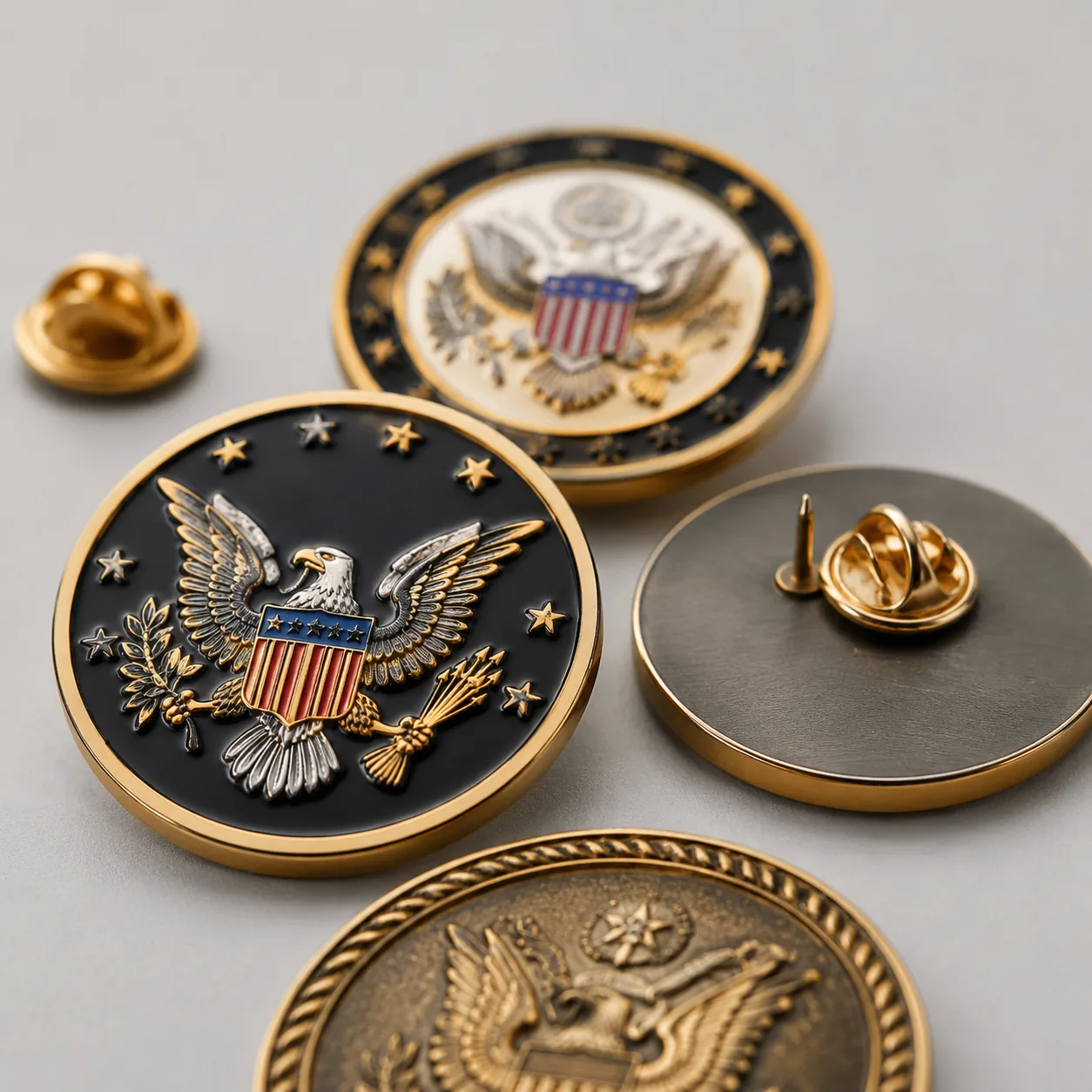
When a 20-cent magnet becomes a 70-cent magnet
The common buyer problem is simple: the marketing team asks for 10,000 fridge magnets at a target FOB price of USD 0.20, but the approved artwork uses a 3D PVC mascot, six Pantone colors, a custom backing card, and individual polybags. By the time tooling, setup, packaging labor, and carton volume are added, the real factory price may be USD 0.45 to 0.75 before freight. The problem is rarely one single expensive feature; it is the stack of small specifications that each add time or labor.
For procurement teams, the key is to separate three costs before comparing quotes: one-time tooling, unit production cost, and export packing or packaging cost. A quote that hides mold fees inside the unit price can look attractive for 500 pieces but expensive for 20,000 pieces. A quote that excludes backing cards, magnet grade, AQL inspection level, or carton packing is not comparable.
At ZheCraft, most custom fridge magnet RFQs fall into four build types: soft PVC, acrylic printed, metal enamel, and flexible rubber or paper-laminated magnets. Each has a different cost curve and lead-time risk. The cheapest option at 10,000 pieces is not always the cheapest at 500 pieces, especially when a custom mold is required.
Base build cost: what you pay for before packaging
The base build cost depends on material, process, part size, thickness, and whether the shape is standard or custom cut. A 60 x 60 mm flexible magnet printed in CMYK is a very different product from a 60 mm die-cast zinc alloy magnet with enamel fill and nickel plating. When comparing quotes, specify the finished size tolerance, nominal thickness, magnet type, surface finish, and artwork process in the first email.
For most B2B promotional orders, practical size tolerances are plus or minus 0.5 mm for metal and acrylic magnets, plus or minus 1.0 mm for PVC, and plus or minus 1.5 mm for flexible printed magnets. Flexible magnet sheet thickness is commonly 0.4 mm, 0.6 mm, 0.8 mm, or 1.0 mm. Metal magnet bodies are commonly 1.2 to 2.0 mm thick for stamped iron and 2.0 to 3.5 mm for zinc alloy casting.
| Magnet type | Typical MOQ | FOB unit range at 1,000 pcs | Tooling or setup | Normal production lead time |
|---|---|---|---|---|
| Flexible printed magnet, CMYK laminated | 500 pcs | USD 0.12-0.32 | USD 20-80 cutting/setup | 7-12 days after artwork approval |
| Acrylic printed magnet, 3-5 mm acrylic | 300 pcs | USD 0.28-0.70 | USD 20-60 print/setup | 8-14 days after proof approval |
| Soft PVC magnet, 2D or simple 3D | 500 pcs | USD 0.45-1.20 | USD 80-220 mold | 12-18 days after sample approval |
| Metal enamel magnet, iron or zinc alloy | 300 pcs | USD 0.55-1.80 | USD 60-180 die or mold | 14-22 days after sample approval |
| Wood or MDF printed magnet | 500 pcs | USD 0.25-0.85 | USD 30-100 cutting/setup | 10-16 days after proof approval |
MOQ tiers: why 500 pieces and 5,000 pieces quote differently
MOQs for fridge magnets are not only about material waste. They also reflect machine setup, color mixing, print calibration, mold handling, magnet cutting, packing labor, and QC time. A factory can sometimes make 100 or 200 pieces, but the unit price may double because the same prepress and setup work is spread across fewer units.
For flexible printed magnets, 500 pieces is usually workable and 1,000 pieces is more economical because printing and lamination can be grouped efficiently. For PVC magnets, 500 pieces is a practical MOQ for custom shapes, while 1,000 pieces lowers the mold amortization effect. For metal enamel magnets, 300 pieces may be possible, but 500 or 1,000 pieces gives better plating, enamel, and polishing efficiency.
- 100-299 pcs: suitable for samples, VIP gifts, or event staff only; expect high unit pricing and limited negotiation room.
- 300-499 pcs: workable for metal or acrylic magnets; PVC may be accepted if the design is simple and mold size is small.
- 500-999 pcs: normal entry tier for custom PVC, flexible printed, and wood magnets; unit cost starts to stabilize.
- 1,000-2,999 pcs: best tier for most promotional campaigns; tooling impact is lower and packaging can be optimized.
- 3,000-9,999 pcs: stronger price breaks, but carton weight and freight method should be checked before approval.
- 10,000 pcs and above: unit price improves slowly; savings often come from simplified packaging, gang printing, and stable reorder specs.
A useful rule is to ask for three tiers in one RFQ: 500, 1,000, and 3,000 pieces, or 1,000, 5,000, and 10,000 pieces for mass campaigns. If the price drop from 1,000 to 3,000 pieces is small, the design is probably labor-driven rather than material-driven. If the drop is large, the cost is being absorbed by setup, mold, or print batching.
Tooling, sampling, and pre-production costs
Tooling is the most misunderstood part of magnet pricing. Flexible printed magnets usually need only cutting setup or a low-cost die if the outline is custom. PVC, zinc alloy, and stamped metal magnets need physical molds or dies, which add both cost and time before mass production can start.
Typical tooling ranges are USD 60 to 150 for small metal magnet dies under 60 mm, USD 80 to 220 for PVC molds, and USD 120 to 300 for larger 3D PVC or zinc alloy shapes over 80 mm. If the artwork includes deep 3D relief, multiple levels, or very fine raised borders below 0.25 mm, the mold cost and correction risk increase. For metal magnets, nickel, black nickel, antique brass, or gold plating may use 3 to 8 μm plating thickness depending on finish and durability requirement.
Pre-production samples usually take 5 to 9 days for flexible printed or acrylic magnets, 7 to 12 days for PVC, and 8 to 14 days for metal enamel magnets after artwork confirmation. A digital proof is faster, but it cannot verify magnet pull, enamel level, PVC relief, plating tone, or edge finish. For retail or brand-critical orders, skipping a physical sample to save one week is usually not worth the risk.
Design choices that add cost without looking expensive
Some magnet features look minor on screen but change the production route. A simple rectangular flexible magnet can be printed, laminated, kiss-cut, and packed quickly. An irregular contour with holes, spot epoxy, five separate magnetic pads, and a backing card needs more stations, more QC points, and more rejection risk.
On PVC magnets, every raised color area requires clean separation. Minimum raised line width should normally be 0.35 mm or above, with recessed color channels at least 0.45 mm wide for reliable fill and cleaning. On metal enamel magnets, raised metal lines below 0.25 mm, enamel areas below 0.35 mm, and text under 4 pt often increase scrap or force artwork simplification.
- Irregular custom shape: adds cutting or mold cost, usually USD 20-150 depending on process and size.
- 3D PVC relief: adds mold complexity and 2-4 days for sample adjustment if the sculpt is brand-sensitive.
- Epoxy dome: adds USD 0.03-0.12 per piece and 1-2 days curing/handling time; avoid it for very flexible magnets.
- Individual backing card: adds USD 0.04-0.18 per piece depending on card size, paper weight, printing, and bagging labor.
- Pantone spot color printing: adds setup cost versus CMYK, useful for brand colors but slower for small runs.
- Multiple magnets in one set: improves perceived value but requires sorting, matched packing, and tighter counting control.
If the budget is fixed, choose the feature that matters most to the end user. For tourist retail, thickness and magnet strength may matter more than a custom polybag. For a corporate mailer, low weight and flat packing may matter more than 3D relief. For a premium metal souvenir, plating quality and enamel control are usually more important than saving USD 0.05 on packaging.
Magnet strength, size, and weight costs
Magnet strength is not a decorative detail; it affects both user satisfaction and cost. Flexible magnetic sheet is economical and flat, but it has lower holding force than ferrite or neodymium magnets fixed to the back of a PVC, acrylic, or metal body. If the buyer expects the product to hold paper on a refrigerator door, the magnet specification should be stated, not assumed.
For lightweight flexible printed magnets under 70 x 70 mm, 0.6 mm magnetic sheet is common for giveaways and 0.8 mm is safer for retail. For heavier PVC or metal pieces above 20 g, factories usually use one or more round ferrite magnets, such as 10 x 2 mm, 12 x 2 mm, or 15 x 3 mm. Neodymium magnets give stronger pull in smaller sizes but cost more and may require more careful packing to avoid clumping, scratching, or air shipment restrictions depending on route.
As a practical specification, ask for a sample pull test on a painted steel plate using the same backing magnet and adhesive planned for production. For common promotional fridge magnets, an internal tolerance of plus or minus 10 percent on pull force is realistic, while piece weight tolerance is often plus or minus 5 percent for PVC and plus or minus 3 percent for metal. ZheCraft normally checks magnet adhesion, visible scratches, print alignment, and pack count under an AQL plan such as critical 0, major 2.5, minor 4.0 unless the buyer specifies otherwise.
Lead-time map from RFQ to shipment
A realistic lead time starts before the factory opens a mold. Buyers often count only production days and forget artwork checking, quotation revisions, sample shipment, approval delay, packaging confirmation, and export carton preparation. For a custom magnet order, these steps can add 5 to 15 calendar days even when production itself is running normally.
A normal timeline for a new custom magnet is: quote and artwork engineering review in 1 to 2 working days, digital proof in 1 to 3 days, tooling and sample in 5 to 14 days depending on process, sample approval by buyer in 1 to 5 days, mass production in 7 to 22 days, final QC and packing in 1 to 3 days, and export handover in 1 to 2 days. Sea freight, air freight, or courier time is separate and should not be mixed into factory lead time.
| Order situation | Factory lead time before freight | Main delay risk | How to shorten safely |
|---|---|---|---|
| Repeat order, same artwork and packing | 7-14 days | Material stock or production queue | Confirm previous golden sample code and carton mark |
| New flexible printed magnet | 10-18 days | Print proof approval and lamination curing | Use standard sheet thickness and simple die-cut outline |
| New acrylic or wood magnet | 12-20 days | Cutting accuracy and print color approval | Approve digital proof quickly and avoid tiny reverse text |
| New PVC magnet | 18-30 days | Mold correction and color matching | Limit relief levels and approve Pantone references before mold |
| New metal enamel magnet | 20-35 days | Die making, plating, enamel defects | Keep metal lines above minimum and approve plating sample early |
| Retail packed multi-design set | 25-40 days | Sorting, card printing, barcode checks | Lock SKU list, barcode files, and packing ratio before sampling |
Packaging, inspection, and export costs buyers forget
Packaging can be 10 to 35 percent of the FOB cost on small or low-priced magnets. Bulk packing in OPP bags is cheap, but it may allow scratching on acrylic, metal, or epoxy surfaces. Individual polybags, printed backing cards, header cards, barcode labels, or retail cartons all add labor and can extend the schedule by several days if files are approved late.
For common export packing, specify inner bag quantity, inner carton quantity, master carton size limit, gross weight limit, and carton drop-test requirement if needed. A practical master carton limit is 12 to 15 kg for mixed promotional goods, though heavy metal magnets may require smaller cartons. Carton dimension tolerance is usually plus or minus 10 mm, but pallet plans need exact carton sizes before final booking.
Inspection should match the sales channel. For a one-day event giveaway, visual AQL critical 0, major 2.5, minor 4.0 may be enough. For retail, add barcode scan checks, card position tolerance such as plus or minus 2 mm, bag seal inspection, and carton assortment verification. If the buyer requires third-party inspection, allow 1 to 2 extra days for booking and rework buffer.
What to do next before asking for quotes
Before sending an RFQ, decide whether your priority is lowest landed cost, premium feel, mailing weight, retail readiness, or fastest delivery. A supplier cannot optimize all five at the same time. If the target price is strict, share it early so the factory can recommend the correct build instead of quoting a design that will never fit the budget.
For a clean quote, send finished size, quantity tiers, artwork file, material preference, magnet strength expectation, packaging method, delivery deadline, and destination country. Ask suppliers to separate mold fee, sample fee, unit FOB price, packaging cost, mass production days, and estimated carton quantity. This makes it much easier to compare a USD 0.38 flexible magnet against a USD 0.72 PVC magnet without being misled by missing costs.
- Request prices at three quantities, not one.
- State whether the quote should include custom packaging and barcode labels.
- Ask for magnet type and size, not just strong magnet.
- Confirm sample lead time and mass production lead time separately.
- Require AQL level and key defect definitions on the proforma invoice.
- Keep an approved physical sample or golden sample photo set for reorders.
If you already have artwork, ZheCraft can review it for magnet process fit, likely cost drivers, and realistic Yiwu factory lead time before tooling starts. The best result usually comes from adjusting the construction early: choosing flexible sheet instead of PVC, reducing unnecessary relief, changing packaging, or increasing the MOQ tier. Those decisions save more money than negotiating after the mold is already made.
Have a project? Send your artwork and target quantity and we’ll reply with a detailed quotation within 12 working hours.
Ready to get this made?
Send your sketch, target quantity and ship-date. Detailed quotation in 12 hours.



