Choosing the Right Base Metal for Custom Pins and Coins
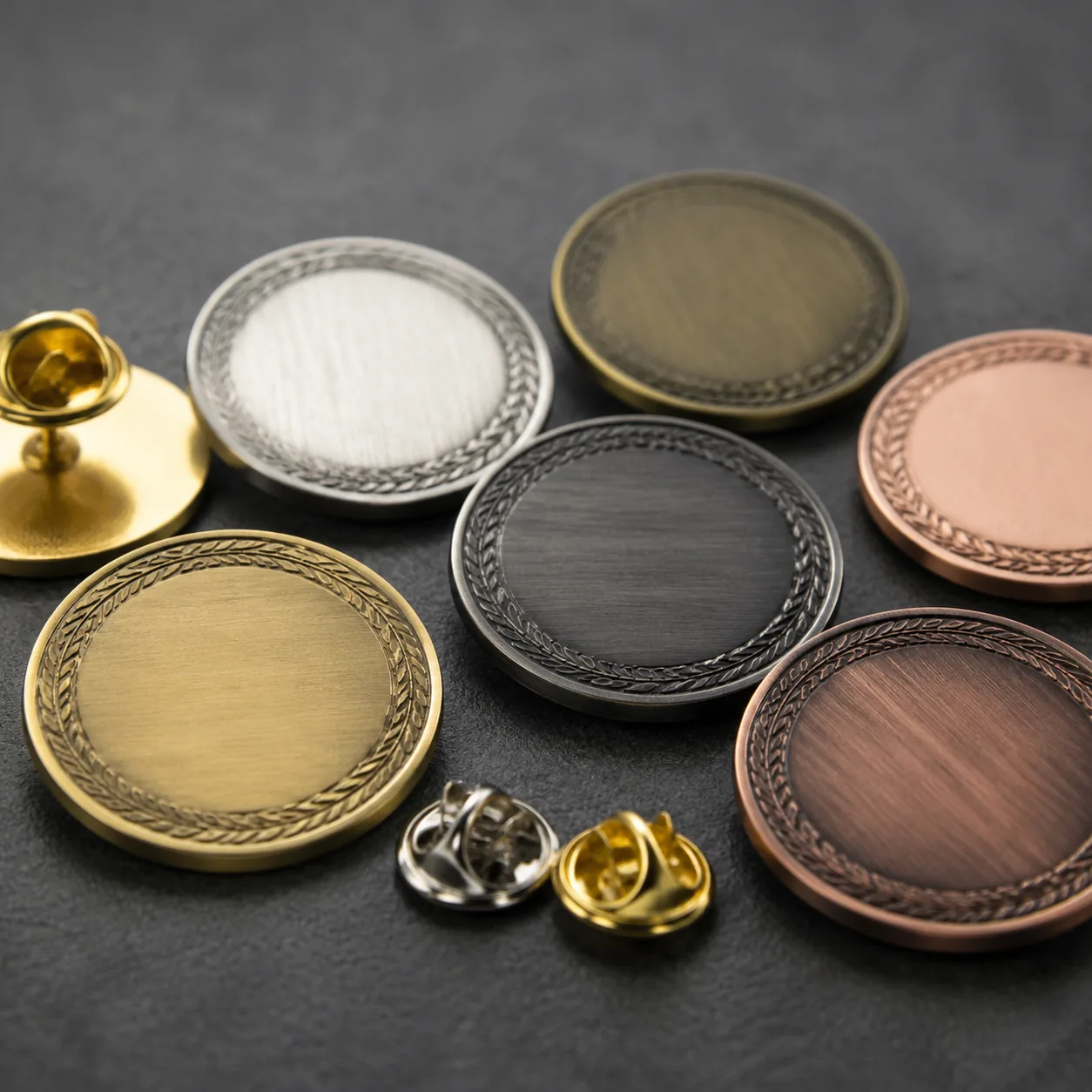
When the wrong base metal ruins an otherwise good design
Buyers usually focus on artwork, plating, and price first, but the base metal controls whether the product feels premium, stamps cleanly, survives transit, and holds detail in production. A design that looks fine on screen can turn costly if the chosen metal cannot support thin lines, deep relief, or a heavy plating finish without distortion. For custom pins, coins, badges, and keychains, the real risk is not just higher unit cost; it is rework, weak edges, surface pitting, and inconsistent fills across a batch.
The practical question is not which metal is “best” in general, but which one matches the item type, size, and decoration method. A 25 mm hard enamel pin, a 38 mm challenge coin, and a thick 3D keychain do not have the same structural needs. In our factory work, the cheapest acceptable option is often not the lowest-risk option once tooling, scrap rate, and replating are included.
The base metal options buyers actually see
In export production, the most common base metals are brass, iron, zinc alloy, copper, and stainless steel. Brass is the workhorse for high-detail stamped products because it takes clean dies, supports thin linework, and plates well. Iron is cheaper for simple shapes and large-volume promotional items, while zinc alloy is better when the design needs 3D relief or cast forms rather than flat stamping.
Copper appears less often as a full base because it is expensive, softer than brass in some applications, and more often used as a plating layer or mixed-metal solution. Stainless steel is useful when corrosion resistance and a raw metallic finish matter more than easy shaping, but it is harder to process and usually raises tooling and finishing costs. The right answer depends on whether the item is stamped, cast, etched, or laser-finished.
| Base metal | Best for | Typical trade-offs |
|---|---|---|
| Brass | Fine-line pins, coins, badges | Higher cost than iron; softer than steel in some uses |
| Iron | Large-volume flat items | Less detail, more rust risk without good plating |
| Zinc alloy | 3D shapes, thicker keychains | Heavier, cast texture, less ideal for ultra-fine lines |
| Copper | Premium feel, specialty work | Costly, softer, less common as main body |
| Stainless steel | Corrosion-prone environments | Harder to process, fewer decorative options |
How each metal changes detail, weight, and plating
Brass is usually the safest choice when you need crisp recessed lines, sharp outer edges, and clean separation between metal and enamel. It also handles plating colors such as gold, nickel, black nickel, and antique finishes with fewer surface defects than lower-grade substrates. For pins and coins where the buyer wants 0.2 to 0.3 mm line clarity, brass is generally more forgiving in mass production.
Iron can reduce raw material cost, but it is less forgiving in tooling and is more vulnerable to rust at cut edges if plating coverage is weak. It is suitable for simple flat badges, campaign pins, and lower-cost giveaways when the artwork has broad areas and low relief. Zinc alloy is the better fit when the design needs 3D faces, thick logos, or molded shapes that would be inefficient to stamp.
Weight matters more than many buyers expect. A 30 mm brass pin can feel solid without becoming too heavy on fabric, while zinc alloy of the same size may feel noticeably denser. For large coins or keychains, the density can improve perceived value, but too much weight can create bag sag, pocket discomfort, or attachment stress.
Cost, MOQ, and lead time differences that matter in RFQs
From a sourcing view, the base metal changes not only unit price but also minimum order quantity, sample cost, and production lead time. Brass usually sits in the middle-to-upper range for cost, but it can reduce defect risk on detailed work, which is often more important than shaving a few cents. Iron is typically cheaper per piece for simple flat products, while zinc alloy often carries higher tooling and casting cost but can be economical for shaped items.
Typical FOB pricing for small-to-medium custom orders, assuming standard finishes and normal artwork, often falls in these ranges: iron pins at about 0.35 to 0.90 USD each, brass pins at 0.55 to 1.50 USD, zinc alloy keychains or coins at 0.80 to 2.80 USD, and stainless steel items at 0.90 to 2.50 USD depending on finishing complexity. MOQs commonly start around 100 to 300 pieces for iron and brass flat items, 300 to 500 pieces for zinc alloy cast items, and 100 to 200 pieces for special stainless-steel work when the line is simple. Lead time typically runs 10 to 18 days for samples and 15 to 30 days for mass production, with zinc cast items usually sitting toward the longer end.
These ranges move quickly with size, thickness, plating count, and packaging. A buyer ordering 500 simple 25 mm brass pins may get a much better price than a buyer ordering 300 complex 3D zinc alloy coins even if the total weight is similar. In RFQs, specify metal type early, because changing substrate after artwork approval often forces a new die or mold review.
Surface quality, tolerances, and defect risk
The base metal also changes how much variation you can tolerate before the product looks off. For stamped brass items, a practical thickness tolerance of about ±0.2 mm is usually manageable, while cast zinc alloy pieces may require tighter attention to shrinkage, gate marks, and post-polish consistency. If your design has fine open spaces or shallow recesses, a rough substrate or porosity can make the final plating look patchy even when the artwork itself is correct.
Buyers should ask suppliers what AQL level they inspect against and where they inspect. A common export target is AQL 2.5 for major defects and AQL 4.0 for minor defects, but the real issue is whether the factory checks plating coverage on edges, pin posts, attachment points, and recessed corners. For corrosion-sensitive use, ask for salt-spray or accelerated aging references, but only if the factory can actually perform or arrange them consistently.
ZheCraft often sees avoidable disputes when buyers compare unit price without asking about surface prep. A cheap metal base with poor polishing can create orange peel, pits, or visible tooling marks under clear enamel or glossy plating. If the product is meant for retail shelves or executive gifting, spend more time on substrate quality than on decoration add-ons.
Choosing the right metal by product type
For enamel pins and badges, brass is usually the default recommendation when detail, clean edges, and premium plating matter. Iron is acceptable for large-volume promotional pins where cost pressure is high and the design is simple. If the design includes heavy 3D relief, layered shapes, or unusual contours, zinc alloy becomes more practical even if the unit cost rises.
For challenge coins, brass remains a strong choice for premium flat or medium-relief coins because it supports crisp rims and layered finishes. Zinc alloy is useful for thick, sculptural coins or coins with highly raised portraits and nonstandard profiles. Stainless steel is niche here, best reserved for corrosion-resistant or minimalistic brushed-metal concepts rather than ornate relief work.
For keychains, substrate choice should follow both weight and attachment load. A large zinc alloy keychain can feel valuable but should not be overbuilt if the split ring, lobster clasp, or chain is lightweight. If the item will see outdoor use or high humidity, stronger plating and edge sealing matter more than choosing the cheapest base metal.
What to specify in your RFQ
If you want fewer back-and-forth messages, do not just ask for “metal material” in general terms. Tell the supplier the exact substrate, target finish, expected thickness, and whether the product must prioritize cost, detail, or corrosion resistance. That gives the factory a chance to propose the correct metal before tooling starts.
- State the base metal explicitly: brass, iron, zinc alloy, copper, or stainless steel.
- Specify product type and build method: stamped, cast, etched, or laser-finished.
- Give target thickness in mm and acceptable tolerance.
- Name the plating finish and whether edges must be fully covered.
- Confirm whether the item must resist humidity, sweat, or outdoor exposure.
- Ask for sample photos of the same metal on similar products.
- Request the supplier’s inspection standard and defect categories before approval.
If you are unsure, ask for two quote options: one cost-optimized and one premium. A good factory can usually explain the delta in tooling, scrap risk, and finishing work clearly. At ZheCraft, that comparison is often the fastest way to help buyers decide whether brass, iron, or zinc alloy fits the job instead of guessing from a unit price alone.
Metal selection guide for common buyer priorities
The most useful way to choose is to match the metal to the business problem. If you are buying for a brand campaign where volume and speed matter, iron can be practical. If you are producing a retail pin, commemorative coin, or executive gift, brass usually gives the safest balance of detail and finish quality. If the artwork needs sculptural depth, zinc alloy is usually worth the extra process control.
| Buyer priority | Best first choice | When not to choose it |
|---|---|---|
| Lowest cost | Iron | Avoid for fine detail or humid use |
| Highest detail | Brass | Avoid only if the design needs deep 3D relief |
| 3D shape | Zinc alloy | Avoid if ultra-fine stamped lines are critical |
| Corrosion resistance | Stainless steel | Avoid if decorative plating variety is essential |
| Premium feel | Brass or zinc alloy | Avoid if weight on fabric is a concern |
There is no universal winner, and that is the point. The right substrate lowers risk at every later step: tooling, plating, packing, and transit. The wrong one saves a little on paper and costs more when samples fail, a batch scratches, or a customer returns a product that looks cheap in hand.
What to do next
Before you request quotes, decide which problem matters most: detail, weight, corrosion resistance, or price. Then lock the base metal in writing, along with thickness, finish, and inspection expectations, so the supplier quotes the same target you are actually buying. If you want a cleaner comparison, ask for one brass option and one iron or zinc alloy option on the same artwork, then review sample feel, edge quality, and plating coverage side by side.
If you want, send the artwork, target size, and intended use, and I can help you narrow the best metal choice and the RFQ wording before you approach suppliers.
Have a project? Send your artwork and target quantity and we’ll reply with a detailed quotation within 12 working hours.
Ready to get this made?
Send your sketch, target quantity and ship-date. Detailed quotation in 12 hours.



