7 Failure Modes That Break Custom Promo Orders
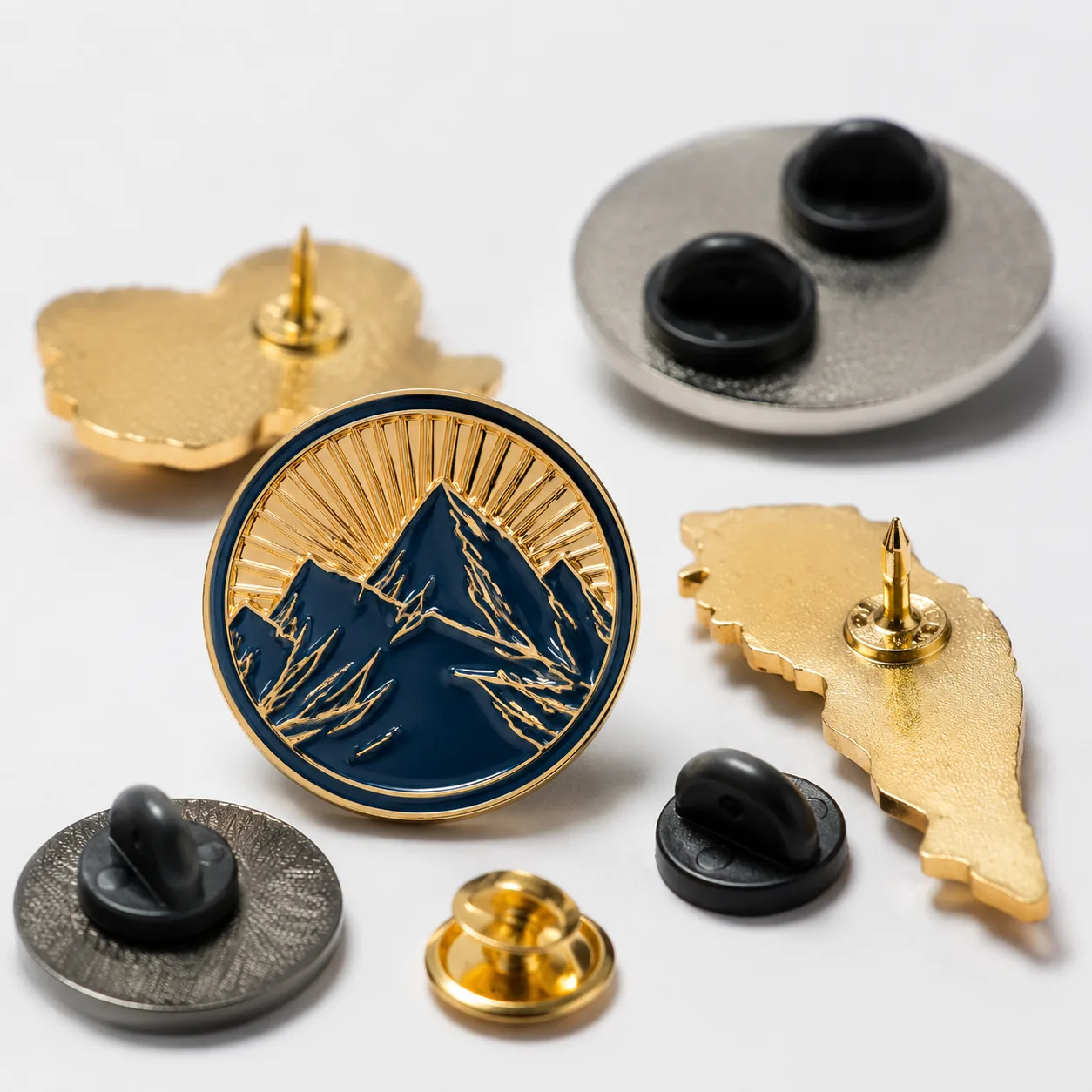
When a sample looks fine but mass production fails
The hardest promo-product orders to rescue are the ones that passed the first sample and then drifted in production. Buyers usually spot the issue only after 500 or 5,000 pieces are packed: plating looks duller, colors shift, attachment points loosen, or dimensions creep just enough to create fit problems. The root cause is rarely one big mistake; it is a chain of small spec gaps that left the factory room to improvise. If you manage custom pins, coins, badges, keychains, patches, or lanyards, the safest RFQ is the one that defines the failure you want to prevent, not just the product you want to receive.
In practice, the order often starts with a quote that looks competitive, then the buyer approves a visual sample without a measurable acceptance standard for the run. That is where rework, sorting, and chargebacks begin. A clean production spec should state the process, the tolerance, the inspection method, and the reorder baseline. For many promo items, MOQ starts at 100 to 300 pieces for simple die-struck metal and 50 to 100 pieces for printed or woven soft goods; typical lead times run 7 to 12 days for samples and 15 to 25 days for bulk production after approval. FOB pricing varies widely, but common ranges are roughly $0.35 to $1.20 per piece for soft PVC keychains or woven patches, $0.18 to $0.75 for simple lapel pins at 500 to 1,000 pcs, and $0.90 to $3.50 for challenge coins depending on size, plating, and edge treatment.
This article breaks the common production problems into failure modes and shows how to spec around each one with practical dimensions, tolerances, QC levels, and process choices. The numbers below are realistic ordering ranges, not universal standards; the right targets depend on tooling method, decoration process, and final use.
Failure mode 1: the artwork is manufacturable, but the linework is not
A design can be visually correct and still fail in tooling. Common traps include lines below the process minimum, tiny cutouts that cannot be cleaned, text that collapses after metal flow, and enamel partitions that are too narrow to hold fill cleanly. For die-struck or cast metal items, lines under 0.25 mm are usually risky, and 0.30 mm is a safer floor for repeat production. For text, 1.0 mm character height is about the absolute minimum; 1.2 to 1.5 mm is more reliable, especially after plating and polishing. If the factory has to guess where one segment ends and another begins, you will see bleed, blur, or broken edges.
The fix is to turn the artwork into a process spec. State the minimum visible line width, minimum gap, minimum text height, and whether the factory may simplify geometry. For hard enamel, ask for enamel cells at least 0.30 to 0.40 mm wide, with raised metal walls that remain strong after polishing; for soft enamel, 0.20 to 0.25 mm cells can work, but the visual edge will be less crisp. For patches and lanyards, specify minimum stitched detail and avoid gradients unless you are deliberately choosing a print method that can hold tonal transitions. If the order is using laser cutting or printed transfer, ask the factory which features will be preserved at 1:1 scale and which will be simplified.
- Set minimum line width at 0.25 to 0.30 mm for metal details.
- Keep text height at 1.0 mm absolute minimum; 1.2 mm preferred.
- Require the factory to flag any simplification before tooling.
- Ask for a vector proof showing line breaks, not just a rendered mockup.
Failure mode 2: the finish changes the product’s meaning
A finish is not decoration only; it changes how the product reads in hand and under light. Bright nickel makes a badge feel sharper and more premium, antique silver hides minor texture and deep relief better, matte finishes reduce glare but soften edges, and black nickel can expose polishing streaks if the base preparation is poor. The most common QC failure here is not the wrong finish family, but inconsistent sheen between the approved sample and the bulk run.
The better way to spec finish is by process, thickness, and appearance expectation. For decorative electroplated items, a typical top-layer thickness is 0.10 to 0.30 micron, but wear resistance depends more on base prep, substrate quality, and sealing than on thickness alone. For zinc alloy items, a good quote should separate base polishing, plating color, clear coat, and any antique wiping step. If you need a repeat order months later, lock the plating code, polish level, and surface texture. On challenge coins and badge-like items, antique silver can hide tool marks; on corporate giveaway pins, bright nickel is usually safer if the brand needs a clean, modern appearance.
Ask for a reference under the same inspection light used in QC, typically D65 or a controlled neutral light source. That matters because the same nickel or gold tone can read differently under warm office lighting, warehouse LEDs, or daylight. When comparing suppliers, separate “color of metal” from “surface gloss”; two samples can both be silver while one is satin and the other is mirror-bright.
| Finish choice | Best when | Main risk | What to specify |
|---|---|---|---|
| Bright nickel | Modern, high-contrast branding | Shows scratches and polishing marks | Polish level, gloss target, plating code |
| Antique silver | Deep relief or vintage look | Can make fine details look muddy | Relief depth, darkening tone, matte-vs-satin |
| Black nickel | Premium dark aesthetic | Streaks and uneven shine | Surface prep standard, inspection under angled light |
| Gold tone | Gift and award positioning | Color mismatch between runs | Exact plating reference, acceptable tone range |
Failure mode 3: color looks right in proof and wrong in production
Color drift is one of the most expensive surprises because it is often discovered after tooling is already approved. Enamel, printed lanyards, woven patches, and epoxy-domed items all fail differently. The usual causes are undefined Pantone references, unchecked translucent effects, lighting differences during approval, and factories mixing by eye instead of formula. Even when the code is correct, glossy surfaces can make the same color look lighter, darker, or more saturated than expected.
To control this, define the color system first and the decoration method second. For enamel items, specify Pantone Solid Coated or Uncoated and note whether the sample was viewed under D65 daylight or warm indoor light. For printed textiles, ask for a strike-off or lab dip on orders above roughly 1,000 pieces, because screen, sublimation, and woven yarn color each behave differently. On soft PVC or epoxy dome, color looks deeper because of the coating layer, so the proof should be approved with the coating on, not in flat art alone. A common acceptance target for printed promo work is Delta E under 2.0 versus the approved master, but only if both sides agree on the measurement method and lighting.
If the order is high volume, ask the factory whether they match by formula, Pantone chip, or digital file. Formula matching is more repeatable than eyeballing a printed reference, and it matters more on saturated reds, dark blues, and skin-tone-adjacent tones where small shifts are obvious. For reorders, keep the same master sample and store it in a sealed bag with the order number and date.
- State one master color reference, not several close options.
- Require approval under the same lighting used for final QC.
- Ask whether the factory matches by formula, chip, or digital print.
- For reorders, keep the prior approved sample as the control standard.
Failure mode 4: dimensions are correct on paper, but assembly does not fit
Fit problems usually come from tolerance stack-up, not a single bad part. A pin post slightly off-center, a magnet pad too thick, or a brooch clasp sitting 0.5 mm proud can create visible rotation, sagging, or packaging interference. The same problem appears in coin boxes, backing cards, keychain rings, and multi-item promo sets where one component is made in a different process and arrives with a different tolerance profile. The buyer sees one bad assembly; the factory sees three parts that were each within their own loose spec.
The fix is to treat assembly as a system and specify the final external size, not just each component. For example, if a badge must sit flush in a foam tray, define the assembled height with a tolerance of ±0.3 mm rather than assuming the clasp will fit. For rigid metal sets, ask for a stack-up review when more than two parts interface. A good drawing should call out critical datums, centerlines, and the side that faces up in packaging, because a 0.2 mm offset is not a problem on paper but can be obvious once the item is mounted or boxed.
| Assembly risk | Common symptom | Typical spec control | Practical tolerance target |
|---|---|---|---|
| Off-center post or clasp | Rotation, tilt | Centerline drawing and fixture check | Post offset within ±0.2 to 0.3 mm |
| Too-thick accessory | Packaging crush | Assembled height limit | Final height within ±0.3 mm |
| Loose ring or chain | Drop failures | Pull test and hardware grade | No opening under 2 to 3 kg pull for light giveaways |
| Mixed-source kit parts | Fit inconsistency | Single owner for final assembly spec | One signed master sample |
Failure mode 5: the product survives inspection, then fails in use
A lot of giveaway items pass visual QC and still fail where it matters: on the badge pin, the keychain jump ring, the lanyard stitch, or the magnet bond. If the item is intended for daily carry, a low-cost hardware choice can undo an otherwise good front face. The most common complaints are pin backs that loosen, split rings that open, epoxy that peels at the edge, and stitched seams that tear when loaded. These are not aesthetic defects; they are durability failures.
The right spec is a mix of hardware grade, test method, and load expectation. For small lapel pins, butterfly clutches are fine for light wear, but rubber clutches reduce fabric damage and magnetic backs avoid piercing delicate garments. For keychains, ask for ring wire diameter, split-ring turns, and whether the connector is single- or double-looped. Typical split-ring wire is 0.8 to 1.0 mm, and light-duty promotional rings should not deform under 2 to 3 kg pull. For lanyards, a 20 mm polyester strap often uses 75 to 150 gsm webbing depending on the print method, while a 15 mm strap is more economical for short-run giveaways. If the product will be handled outdoors or repeatedly attached and removed, add a simple pull test requirement and state the failure limit before shipment.
For visual QC, the industry commonly uses AQL 2.5 for major defects and AQL 4.0 for minor defects on standard promotional orders, though premium or safety-critical items may require tighter limits. If you want lower risk, ask for functional testing on a sampling basis: 3 to 5 pull checks per carton, or a minimum of 13 units per lot under an AQL 1.5/2.5 scheme when the hardware is the main failure risk.
- Name the exact attachment type and allow no substitution.
- Specify pull resistance or opening resistance for hanging parts.
- Require edge sealing on epoxy-domed or printed wear surfaces.
- For repeated-use items, ask for a wear or cycle test before packing.
Failure mode 6: packaging protects the product, but not the buyer’s outcome
Packaging failures are sneaky because the product may be fine while the shipment still disappoints. A backing card that bends in transit, a tray that scuffs plating, or a carton that compresses under stack load creates returns even when the factory’s core item passed inspection. Buyers often under-spec packaging because it feels secondary, but in retail-ready or event-ready orders, packaging is part of the product experience and part of the damage protection system. The wrong insert thickness can also change assembled height enough to create fit problems in outer cartons.
The safest approach is to specify packaging by protection function, not just by appearance. State carton size, inner packing quantity, divider thickness, and whether each unit needs a sleeve, polybag, blister, or card mount. For plated metal products, soft interleaving or individual bags reduce rub marks; for printed items, matte cartons hide handling scuffs better than glossy boxes. If the order is for a distributor or event kit, ask for a drop-risk assumption so the packing method matches the real shipping lane instead of a showroom shelf. A common FOB packaging add-on is only $0.03 to $0.20 per unit for bags, backing cards, or inserts, but that small line item can prevent expensive cosmetic claims.
If the buyer’s end customer will see the package on a table or in a mailer, ask for a mock-packed unit photo before mass production. That single photo often reveals issues with card orientation, seal quality, barcode placement, and carton fill that do not show up in a flat dieline. Treat packaging as a QC checkpoint because packing errors are cheapest to solve before shipment, not after arrival.
Failure mode 7: the reorder is treated like a new order
Many repeat orders fail because the buyer assumes the prior approval is enough. Factories change plating baths, ink batches, cutting tools, or subcontracted packing teams over time, and if the reorder spec is vague, the new run can drift just enough to become a complaint. This is why reorders should be locked to a control sample plus a written spec sheet, not just a product name. If the previous order had no detailed acceptance standard, the buyer is effectively re-buying from scratch.
The practical solution is a reorder packet that travels with the job. Include the approved golden sample reference, the last approved artwork file, plating code, color codes, attachment type, packaging method, and a list of critical tolerances. For stable repeat programs, keep the same mold or die number and note what can and cannot be changed without written approval. If the product is a multi-item promo set, lock the whole family together so one item does not slowly drift away from the brand standard while the others stay consistent. On recurring orders, it is also worth agreeing on a reorder window: for example, no tooling or finish changes without sign-off, and no substitution of hardware or carton material without a revised proof.
| Reorder item | Why it matters | What to lock | When to re-approve |
|---|---|---|---|
| Golden sample | Primary visual reference | Physical sample ID and date | Any finish or color change |
| Artwork file | Prevents silent edits | Final vector version | Any logo or text update |
| Tooling record | Controls geometry drift | Die/mold number | After repair or replacement |
| Packing spec | Prevents transit damage | Carton and insert details | When shipping method changes |
What to do next
If you want fewer surprises, build your next RFQ around failure modes instead of features. Start by marking the three things that would make the order unacceptable: color drift, fit failure, or hardware breakage, then write measurable limits for each. Ask the factory for a sample, a production QC plan, and a reorder control sheet, not just a quotation. That gives you a cleaner basis for comparison than price alone and makes supplier accountability much easier.
For ZheCraft-type orders, the fastest path is usually: lock the artwork, define one master sample, set the critical tolerances, and confirm the packaging and hardware before tooling or bulk production starts. A good order packet should also state MOQ, lead time, and FOB expectation up front: for example, 300 pcs MOQ, 18 to 22 days bulk lead time, and a target FOB range based on finish and packaging. If you are ordering pins, badges, coins, keychains, patches, or lanyards across one campaign, keep the control document consistent across all items so the brand does not fragment during production. The goal is simple: make the factory solve the risky decisions on paper, not in your warehouse.
Have a project? Send your artwork and target quantity and we’ll reply with a detailed quotation within 12 working hours.
Ready to get this made?
Send your sketch, target quantity and ship-date. Detailed quotation in 12 hours.



