Keychain OEM Warranty and Returns Policy for Europe Manufacturing Buyers
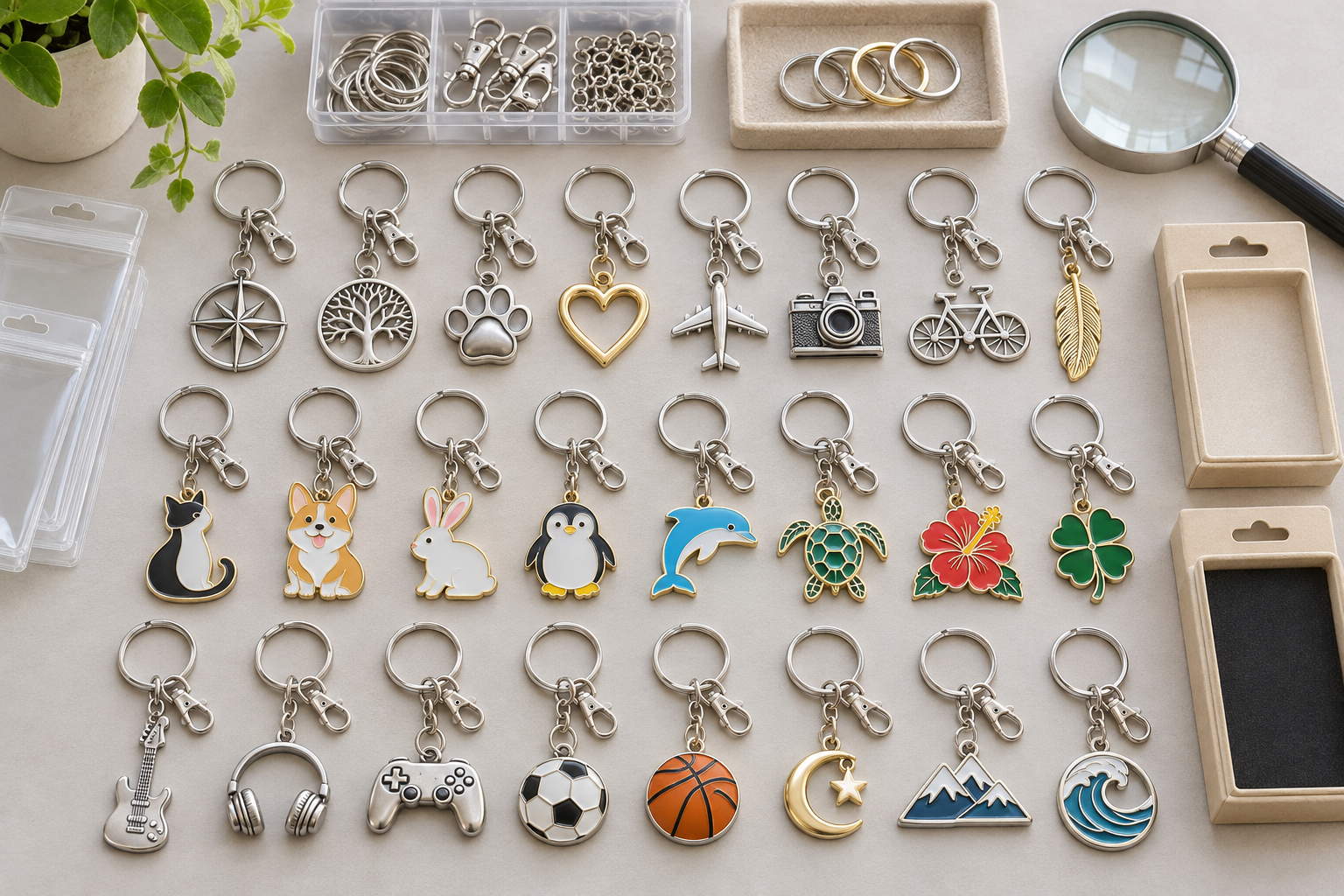
Keychain OEM Warranty and Returns Policy: A Guide for Europe Manufacturing Buyers
A clear keychain OEM warranty and returns policy helps a Europe buyer compare manufacturing offers on the same terms before placing an order. It should state what is covered, what is not covered, how a claim is raised, who pays for return transport, and how a replacement, repair, or refund is decided. Without those points in writing, a buyer and a supplier can understand the same order in different ways, and a later discussion about a defect can become difficult to resolve. This guide explains the questions to ask, the terms to agree, and the records to keep, so the buyer can choose a supplier with a workable process rather than a vague promise.
The policy is part of the manufacturing agreement, not a separate note to add after production. A buyer should ask for the warranty and returns terms with the quotation, compare them beside price, design approval, packaging, and delivery terms, and keep the agreed version with the order documents. If a term is unclear, ask for a written explanation before approval. If the supplier cannot describe the claim process in simple steps, treat that as a gap to close before ordering, not as a detail to settle later.
What a Keychain OEM Warranty and Returns Policy Should Cover
A useful policy starts with a clear scope. Ask the supplier to state which keychain parts and finishes are covered, which kinds of damage are covered, and which conditions are excluded. Ask how the supplier defines a manufacturing defect, a design issue, a packaging issue, and damage that happens after delivery. Ask the supplier to describe how the buyer should report a problem, what photos or samples are needed, and how the supplier will confirm receipt of the claim. Ask for the same clarity on replacements, repairs, and refunds, including who decides the remedy and what happens if the buyer and supplier disagree on the cause.
Coverage should also cover the order as a whole. Ask whether the policy applies to the full order quantity or only to the affected pieces, and how affected pieces are identified. Ask whether a replacement order follows the same design approval and inspection steps as the first order. Ask how returned pieces are handled, whether they are returned to the supplier, kept by the buyer for inspection, or disposed of by agreement. Ask what records the supplier will keep for the claim, and what records the buyer should keep, including the approved sample, order confirmation, inspection notes, and delivery notes.
Keychain OEM Warranty and Returns Policy Terms for Europe Buyers
Europe buyers need terms that fit the delivery country, not a single form used for every destination. Terms may differ across EU, EEA, UK, and individual countries, so ask the supplier to explain which terms apply to your delivery address and to put that explanation in writing. Ask how the claim period is counted, whether it starts on delivery, on inspection, or on another agreed date, and how that date is recorded. Ask which language will be used for claim documents, and who is responsible for return transport, customs paperwork, and related handling for a return to the supplier.
Ask also about communication and timing. Ask the supplier to state how a claim is acknowledged, how the buyer will be told about the next step, and how long each step is expected to take in the supplier process description, without treating a stated period as a promise until it is agreed in writing. Ask who the buyer should contact, what information that contact needs, and what happens if a claim is not answered. Ask the supplier to confirm whether a replacement or refund changes the original order documents, and ask for any change to be recorded as an agreed amendment.
Keychain Manufacturing: How to Compare Warranty and Returns Options
Compare manufacturing offers by the clarity of the process, not by a short summary. Ask each supplier for the same list of terms, then compare the answers side by side. Look for a clear definition of covered issues, a clear claim route, a clear decision route for the remedy, and a clear record of what was agreed. If one supplier gives a short answer and another gives a complete process, ask the first supplier to complete the missing points before you compare the offers. A complete answer is easier to manage than a low price with an unclear remedy.
Ask about inspection and acceptance as part of the comparison. Ask how the buyer checks the order on arrival, what to do if the delivered keychains differ from the approved sample, and how a difference is recorded. Ask whether inspection happens before shipment, on arrival, or both, and who provides the inspection notes. Ask how a dispute about quality is handled, who reviews the evidence, and what happens while the review is open. Keep the answers with the quotation so the comparison remains based on agreed terms rather than memory.
Ask about packaging and transport in the same comparison. Ask how keychains are packed for shipment, how damage in transit is reported, and whether transit damage follows the same claim route as a manufacturing issue or a separate route. Ask who should be told first, and what evidence should be kept, including packaging and delivery notes. A clear route for transit issues helps the buyer act promptly and keeps the claim file complete.
Buyer Decision Table for Keychain OEM Warranty and Returns
Use this table to agree each point before ordering. Record the agreed answer beside the order, and keep it with the approved sample and order confirmation.
| Decision point | What to agree in writing | Buyer check before ordering |
|---|---|---|
| Coverage scope | Which parts, finishes, and kinds of damage are covered and which are excluded | Ask for a written list and compare it with the approved sample |
| Defect definition | How a manufacturing issue is defined and how it is distinguished from later damage | Ask for examples in writing and keep them with the order |
| Claim route | How to raise a claim, what evidence to send, and who confirms receipt | Ask for the contact, the required evidence, and the acknowledgement step |
| Remedy decision | Whether the remedy is replacement, repair, or refund and who decides it | Ask for the decision route and how a disagreement is handled |
| Returns and transport | Whether pieces are returned, kept, or disposed of, and who arranges transport | Ask for the return address, packing instructions, and transport responsibility |
| Europe delivery terms | Which terms apply to the delivery country in the EU, EEA, UK, or another European country | Ask for a written note for that country and keep it with the order |
How to Handle a Warranty Claim Step by Step
A steady claim process protects both sides. Follow the agreed steps, keep a complete file, and record each decision in writing. Do not dispose of affected pieces, packaging, or records until the supplier agrees the next step in writing.
- Check the delivered order against the approved sample and order confirmation, and note the affected pieces, the kind of issue, and the delivery details.
- Take clear photos of the affected keychains, the packaging, and any related marks, and keep the affected pieces and packaging for inspection.
- Send the claim to the agreed contact with the order details, the photos, and a short description of the issue and the remedy requested.
- Ask the supplier to confirm receipt in writing, and record the date, the contact name, and the next step stated by the supplier.
- Follow the agreed inspection or return step, keep the transport and handling records, and ask for a written decision on the remedy.
- Record the agreed remedy, any replacement order details, and any amendment to the original order documents, and keep the full file for later reference.
RFQ Checklist
Include these points in the request for quotation, and ask the supplier to answer each point in writing.
- Ask the supplier to state the full warranty and returns policy in writing, including coverage, exclusions, and the claim route.
- Require the manufacturer to define a manufacturing issue, a design issue, and a packaging issue, and to state how each is handled.
- Specify the remedy options for an agreed issue, including replacement, repair, or refund, and ask who decides the remedy.
- Ask the supplier to state the claim period, how it is counted, and how the start date is recorded for delivery in your European country.
- Require the manufacturer to state the return process, including whether pieces are returned, kept, or disposed of, and who arranges transport.
- Ask the supplier to name the claim contact, the evidence required, and the acknowledgement and decision steps for a claim.
- Specify the inspection and acceptance steps for the order, including how a difference from the approved sample is recorded and resolved.
A clear keychain OEM warranty and returns policy does not remove every risk, but it gives the buyer a written process to follow when an issue appears. Ask for the terms early, compare them on the same points, agree the claim route before production, and keep the agreed policy with the order file. That preparation helps the buyer make a careful choice, act promptly on a claim, and keep the discussion focused on the agreed terms.
Discuss Your Requirements
Review our manufacturing capabilities, then share your specifications for a supplier-fit review.